The fourth-century Lycurgus Cup shifts from green to red under different light, thanks to metal nanoparticles in its glass.
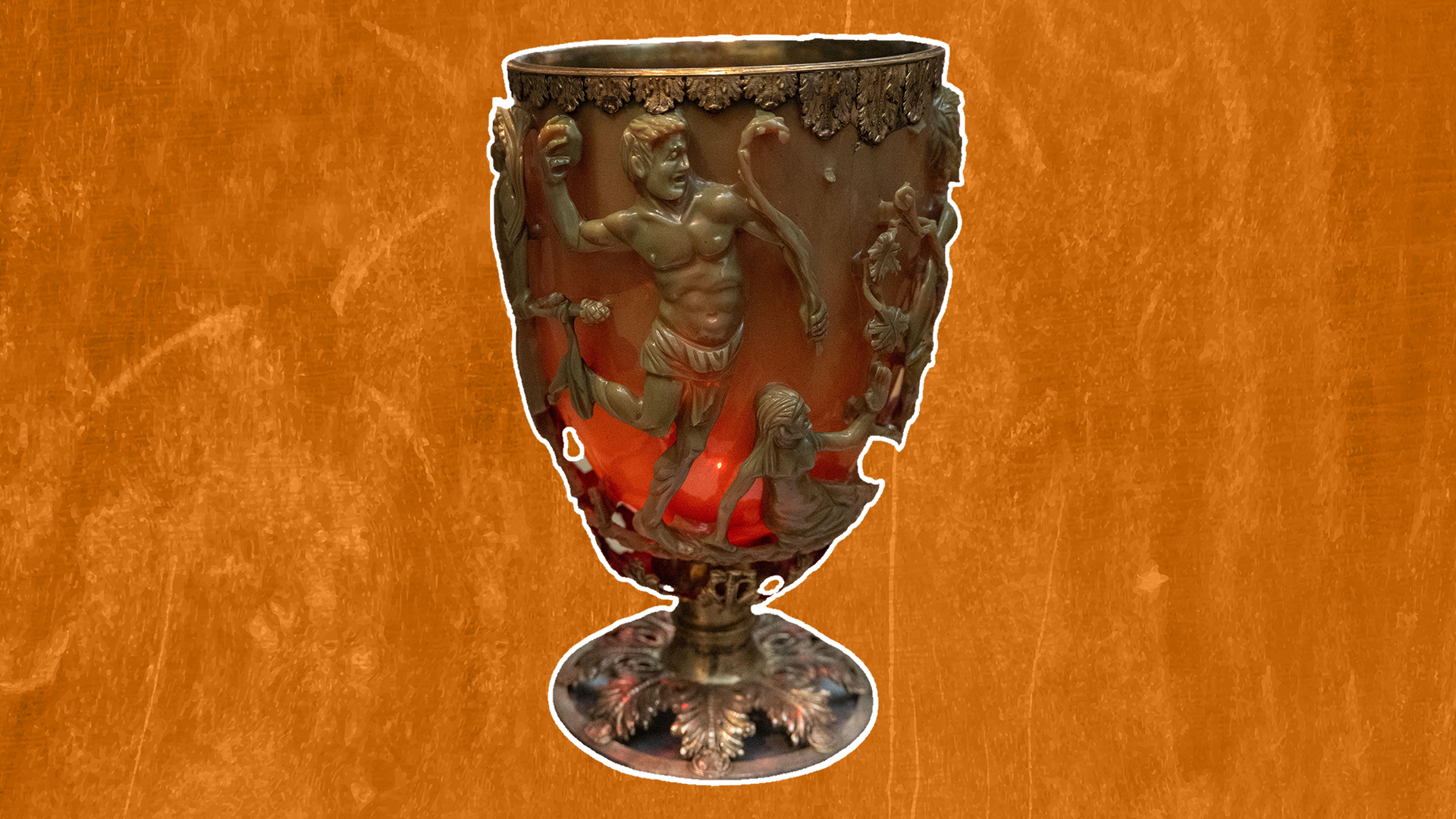
The Lycurgus Cup turns a feat of ancient glassmaking into a puzzle that modern science can explain—but not fully resolve. This fourth-century Roman vessel shifts from jade green to ruby red depending on how light passes through it. Researchers have traced the effect to microscopic gold and silver particles, yet they still can’t tell whether Roman artisans engineered the color change or stumbled on it.
A rare vessel with an uncertain past
The British Museum acquired the cup in 1958 from the Rothschild banking family, which had held it since the mid-19th century. Its earlier history is unclear: experts don’t know where it was discovered or where it was made. The vessel stands about 6.3 inches (15.9 centimeters) tall and weighs roughly 1.6 pounds (700 grams).
Its name comes from the scene carved into the glass: the punishment of Lycurgus, a mythical king of the Thracian Edoni. The story links the cup’s imagery to wine. Lycurgus opposed the worship of Dionysus, banished the god with an ax, and attacked the god’s priestess Ambrosia. She transformed into a vine and bound the king; Dionysus’ followers then surrounded and tormented him. Since Dionysus presided over wine and revelry, the scene suits a drinking vessel. The cup’s green-to-red shift may also evoke grapes ripening on the vine, though that interpretation remains uncertain.
Archaeologists D. B. Harden and Jocelyn Toynbee described the cup in a 1959 study as an unusually well-preserved “cage-cup.” Only a few examples survive. Craftspeople created this type by cutting and grinding designs into thick glass while leaving narrow connections that held the decoration in place, producing an openwork, cage-like appearance. Harden and Toynbee dated the cup to the fourth century and suggested it was probably made in Italy. They also judged its bronze rim and stem to be later additions, likely from the 19th century.
What makes the glass change color
The effect has a Roman precedent in written records. A second-century letter, possibly written by Emperor Hadrian to his brother-in-law, refers to two dichroic cups given as banquet gifts. Few fragments of this glass survive, leaving its production methods difficult to reconstruct.
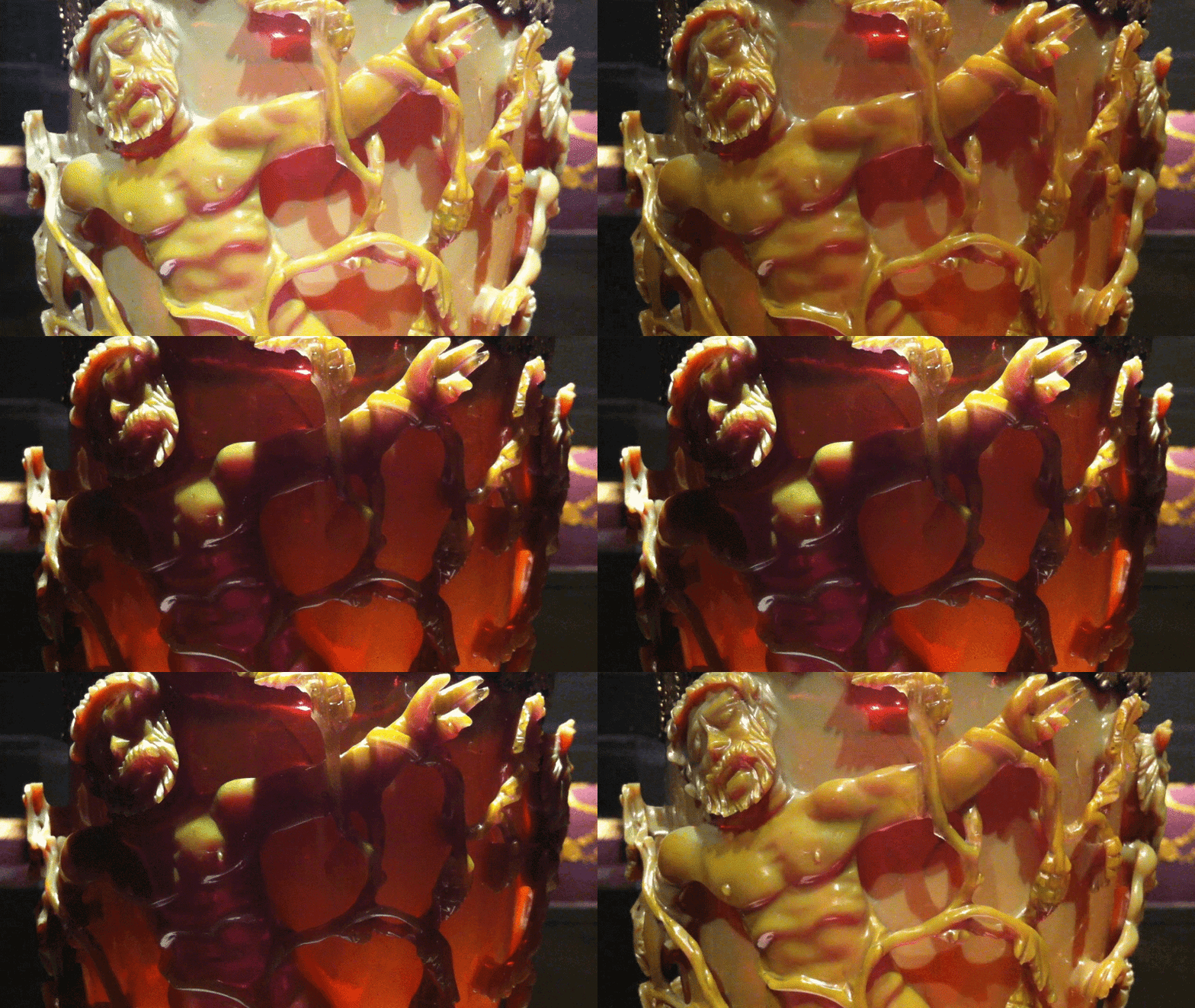
A 1963 study identified microscopic gold and silver particles as the likely source of the Lycurgus Cup’s optical behavior. When illuminated from the front, the glass appears milky green; light shining through from behind makes it look nearly transparent red. The nanoparticles interact with light to create the shift. They’re far smaller than grains of sand, and their presence suggests Roman glassmakers could produce effects that depend on both material composition and viewing conditions.
Modern attempts to reproduce dichroic glass show how unusual the effect is. Corning Glassworks made a replica in the 1960s that appeared green and amethyst under changing light, according to a 2007 study. In 2020, researchers incorporated gold and silver nanoparticles into 3D printing to recreate similar color-changing properties.
More recently, a team at the University of Sheffield reverse-engineered the glass recipe from the Lycurgus Cup. The researchers used their replica material to commission a glass artist to make a new design inspired by the ancient vessel. That work offers a practical route to reproducing the effect, while the original’s manufacturing history remains open.
Accident or intention?
The small number of surviving examples leaves a basic question unanswered: did Roman artisans deliberately add gold and silver to create dichroic glass, or did trace metals enter the molten mixture by chance? Gold was available in ancient workshops, and an accidental blend could have yielded a material that even experienced glassmakers found surprising.
The cup’s chemistry can now be recreated, but its makers’ intentions may remain beyond reach. That gap is part of what makes the Lycurgus Cup compelling: its color shift is measurable, while the craft knowledge behind it is still partly hidden.
For more archaeological discoveries, visit the Astonishing Artifacts archives.
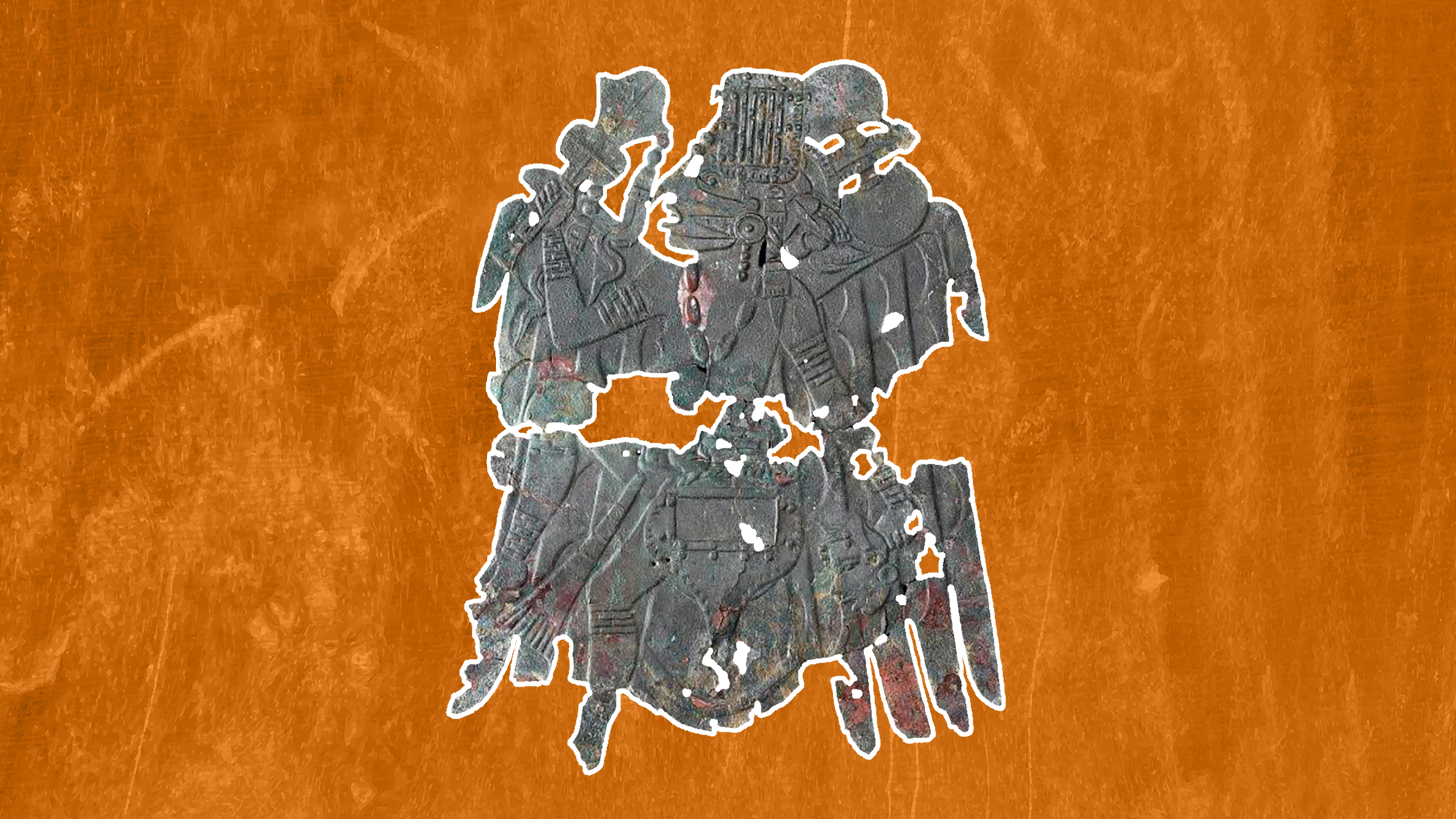
Birdman Copper Plate
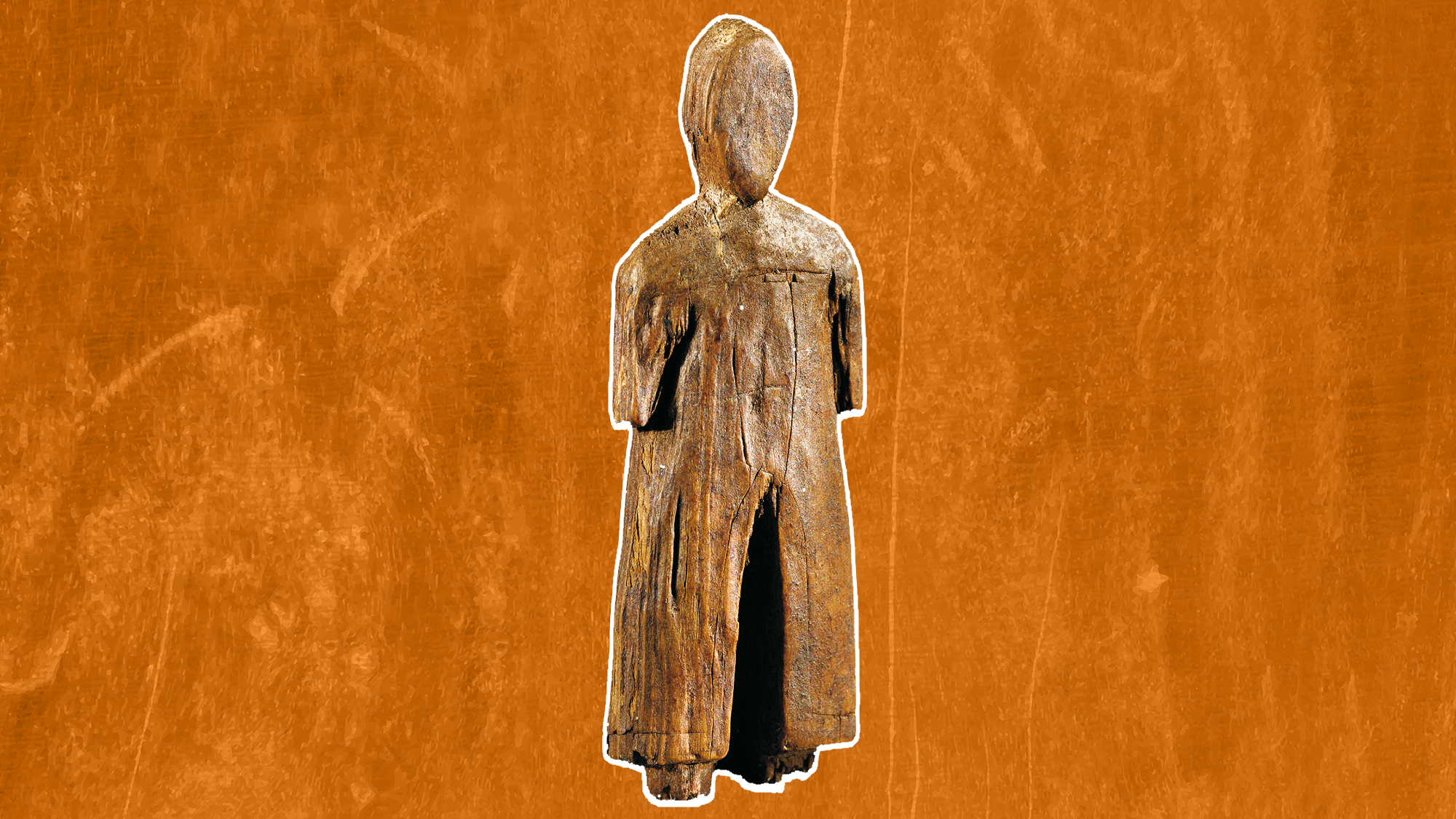
Inuit Carving of a Norseman
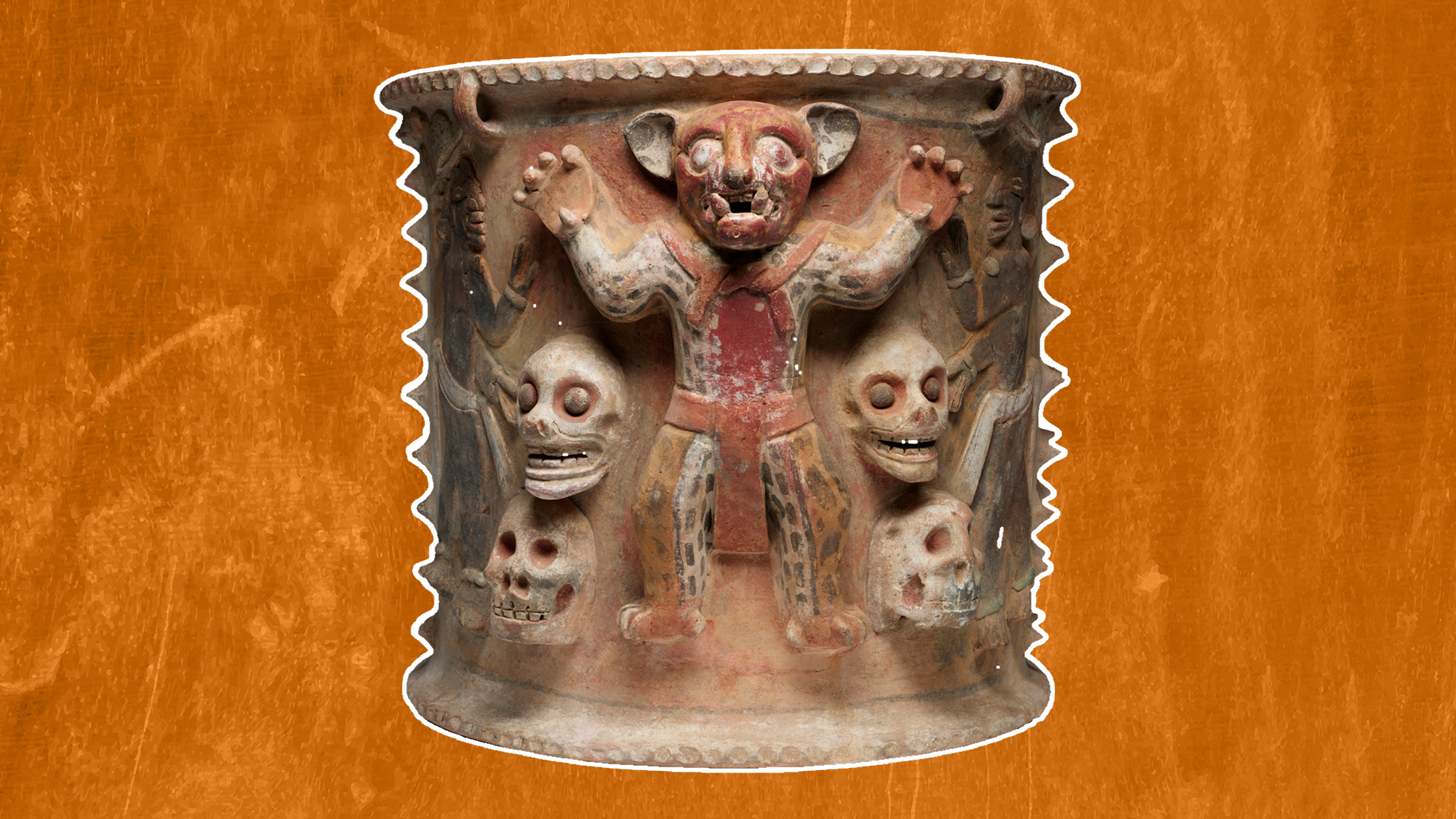
Maya Death Urn
Can you identify last week's Astonishing Artifact?
Discussion
Sign in to join the discussion.