Four habitat models found extensive potential grizzly habitat in California, while the harder question remains whether people can coexist with bears.
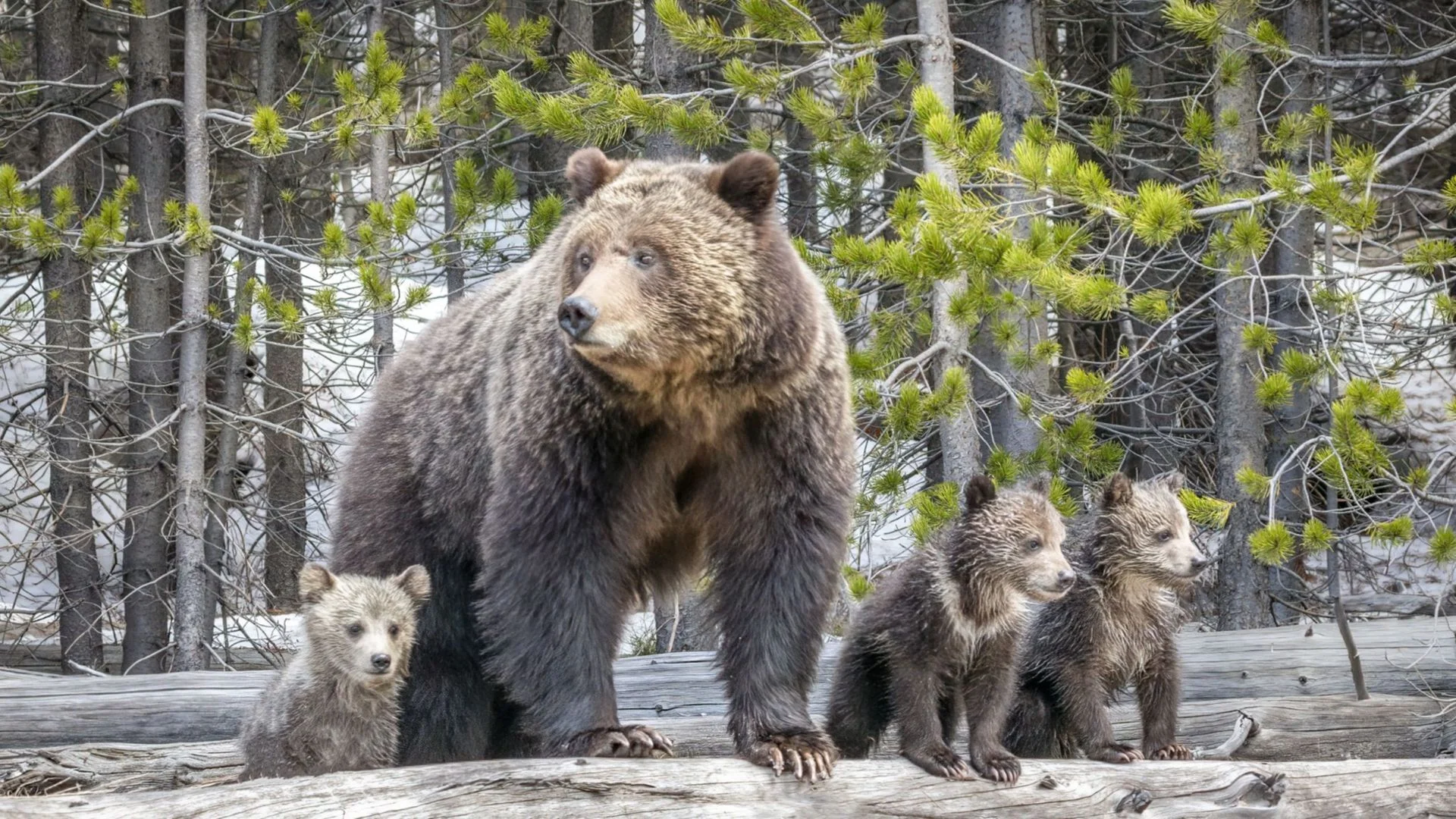
California may have more room for grizzly bears than conventional habitat models have suggested. Four different models found that about a third of the state could be suitable, including large areas in the southern Sierra Nevada and the coastal Northwest. The finding challenges the assumption that grizzlies can recover only in places where they still live. It doesn't answer the harder question: whether people will accept bears beyond protected wilderness.
Models can reinforce the status quo
Wildlife models help conservationists estimate how species respond to changing conditions and identify places that might support recovery. But the results depend on what researchers choose to measure. For grizzlies, many models developed since the 1990s have focused on the best remaining habitat and on bear populations that survived there. That approach has improved understanding of current habitat use, while also steering conclusions toward the places bears already occupy.
The risk is circular reasoning: researchers study where grizzlies remain, use those observations to define suitable habitat, then conclude that suitable habitat is found where grizzlies remain. Historical range and future possibilities can fade from view. Over time, the current distribution starts to look like the only plausible one.
The six recovery areas in the U.S. Fish and Wildlife Service’s 1993 recovery plan were all places where grizzlies lived, or had lived recently, when the species was listed as threatened in 1975. The plan said those areas could provide enough space and habitat for a self-sustaining population, while also promising to assess other parts of the bears’ historical range. The assessment was expected within five years.
That broader review took far longer. In 2019, after a federal lawsuit, the Fish and Wildlife Service agreed to assess additional potential recovery areas. The resulting analysis applied a model based mainly on secure habitat to the San Juan Mountains in Colorado and the Sierra Nevada in California. It did not examine other possible areas, including Arizona’s North Rim of the Grand Canyon, New Mexico’s Gila Wilderness, or Northern California’s Northwest Forest.
A disputed assessment of California and Colorado
The agency concluded that neither the San Juans nor the Sierra Nevada had enough secure habitat to support a viable grizzly population. Rather than undergo peer review, the analysis appeared in an appendix to a species status report. David Mattson, a scientist who helped develop the secure habitat concept, argued that the agency’s model covered areas that were too small, omitted factors discussed in scientific research, and lacked supporting analyses needed to explain its conclusions.
Mattson and colleague Troy Merrill later used a more detailed model to assess the Southwest. They identified seven potential recovery areas across Arizona, Colorado, New Mexico, and Utah, with more than 45,000 square kilometers of suitable habitat. Their analysis suggested those areas could probably support more than 1,000 bears.
Those results also invite a closer look at California, where the prevailing view has long been that grizzlies disappeared for good and could not return. The state’s population and road network can make it seem inhospitable. Nearly 40 million people live in California, which has more miles of roads than any state except Texas. Yet residents are heavily concentrated: 95% live in cities, and 75% occupy roughly 2% of the state’s land. Across much of California, population density is lower than in the Northern Rockies. Farms, meanwhile, are concentrated mainly in broad valleys, often far from core wilderness areas.
Protected land creates room for a different picture
Outside cities and agricultural valleys, California has more protected land than any state except Alaska. Some of it is desert, which does not offer suitable grizzly habitat, but the state also contains extensive mountain environments that could support the bears. Its national parks and wilderness areas draw heavy visitation, although visitor totals alone give an incomplete picture of pressure on habitat.
In 2024, Sequoia and Kings Canyon National Parks, about 865,000 acres combined and 97% wilderness, received more than 2 million visitors for the first time. Yellowstone covers about 2.2 million acres, is 90% wilderness, and had nearly 5 million visitors that year. Both parks had roughly 2.3 visitors per acre. Each also borders large U.S. Forest Service wilderness areas and other public lands; the High Sierra has fewer roads cutting through protected land.
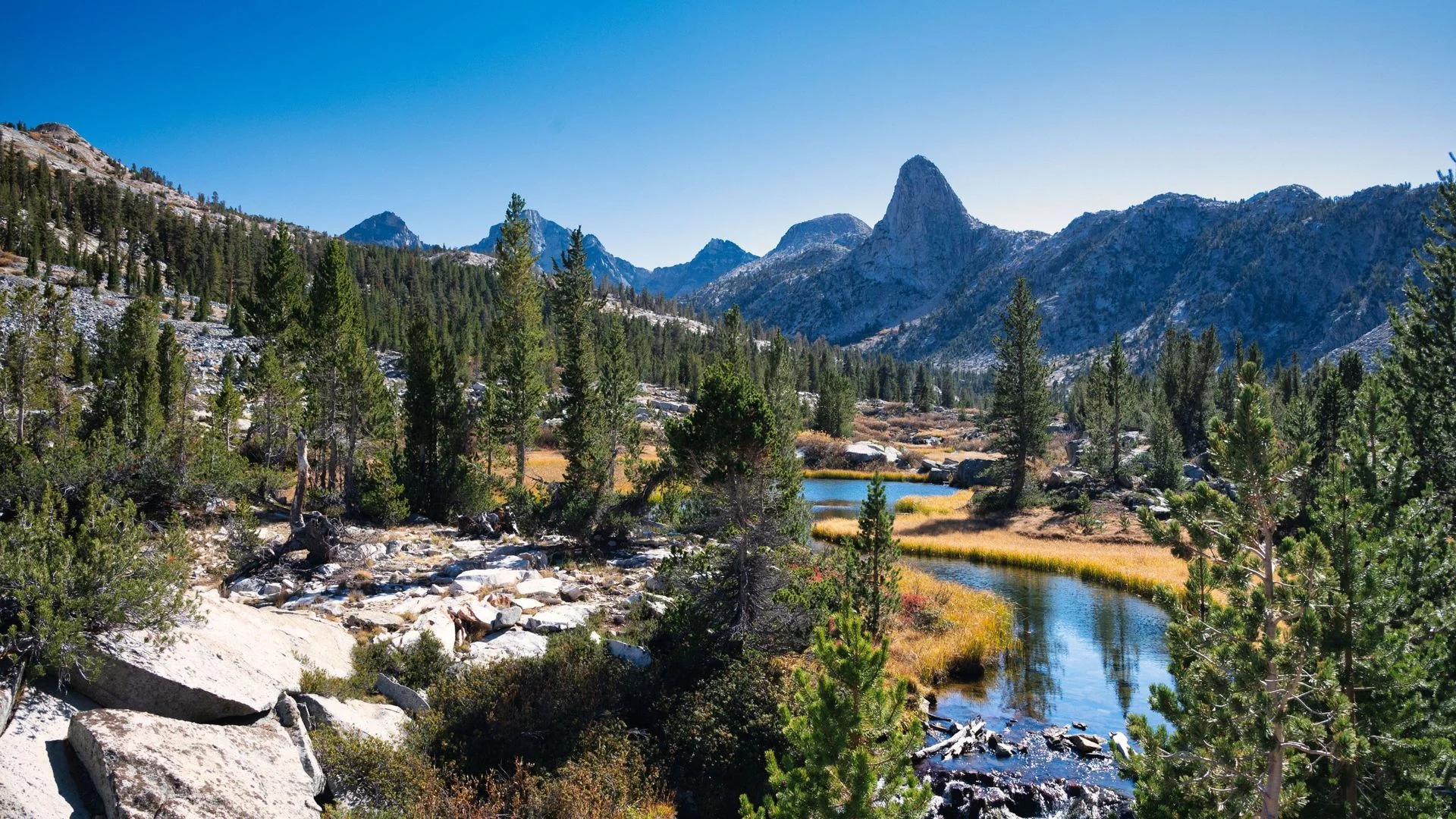
That combination of protected land and less fragmented mountain habitat makes California a strong candidate for a fresh assessment. In a study published in 2024, a research team led by Alex McInturff of the University of Washington compared four computer models of potential grizzly habitat in the state. One model drew on historical grizzly sightings in California. Two adapted methods used in places where brown bears still live. The fourth used habitat preferences associated with California pumas, another large carnivore.
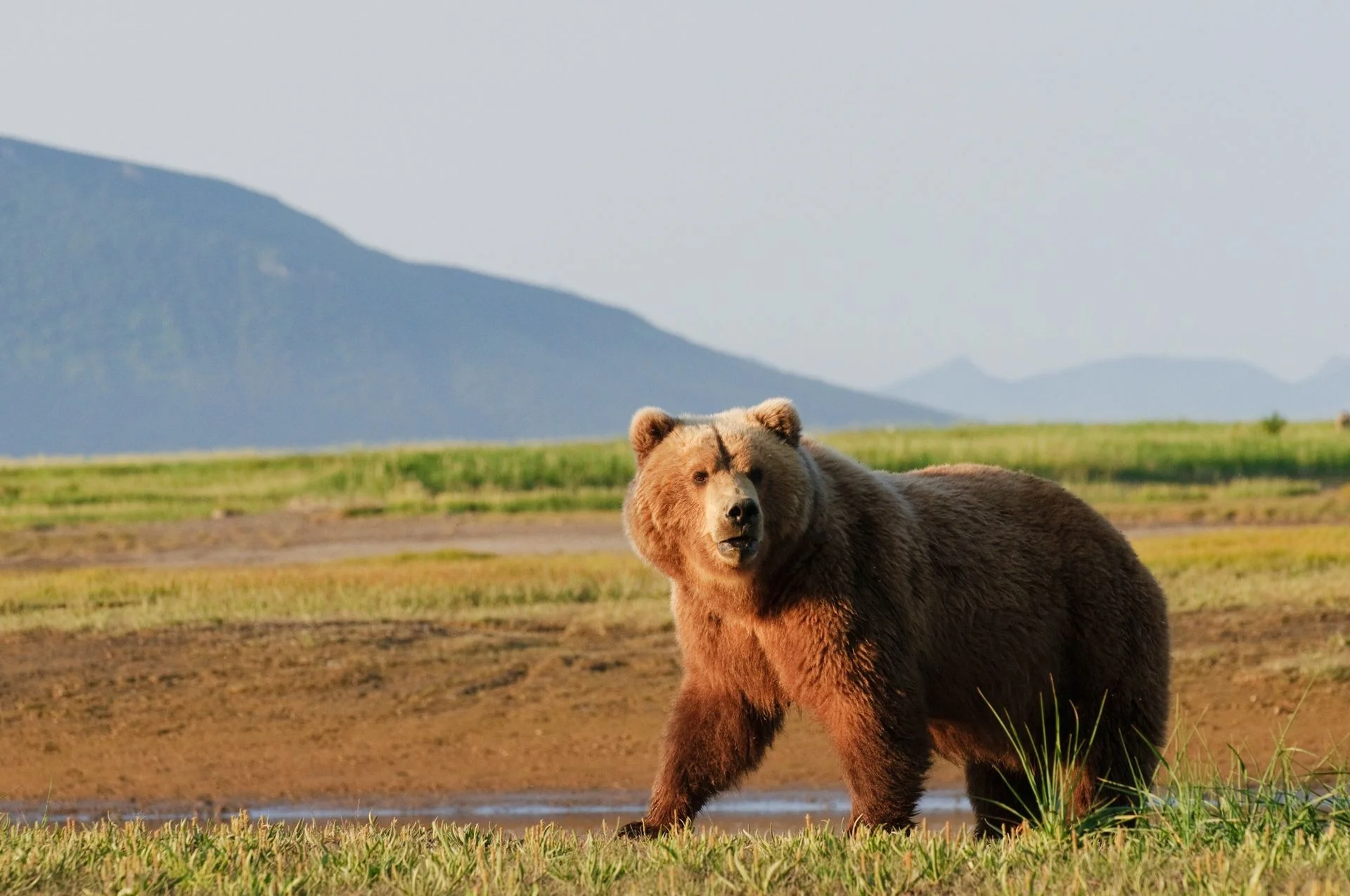
Each model has limits. None fully accounts for how much food is available, where it is distributed, or how bears might conflict with people. Taken together, though, the models offer a first estimate of potential habitat across California. About a third of the state appeared suitable in all four.
Habitat is only part of the recovery question
The largest areas of high-quality habitat were in the southern Sierra Nevada, around Sequoia and Kings Canyon National Parks. Some of the last recorded California grizzly sightings came from that region in the 1920s. The Northwest Forest near the Oregon border also scored highly, reflecting its low population density and rich forest habitat. The Transverse Ranges in southwestern California showed promise because of their chaparral and history of grizzly sightings, though the area ranked somewhat lower: more people, farms, vineyards, and avocado orchards surround its habitat.
The results fit California’s history of grizzlies, its protected mountain lands, and its healthy black bear populations. They also differ from models that treat today’s surviving bear range as the template for future recovery. The study indicates that California may contain enough wilderness to support one or more viable grizzly populations, though its methods carry important caveats.
Suitable habitat does not guarantee a workable reintroduction. Bears can move beyond protected boundaries, where they may encounter roads, farms, livestock, and communities. The central question has shifted from whether California contains enough potential habitat to whether people are willing to live alongside grizzlies as they move through a much broader, shared landscape.
Discussion
Sign in to join the discussion.