A study using pigs in diving suits suggests that swapping gases could significantly reduce decompression sickness in divers, enhancing safety on deep dives.
Deep-sea divers face the daunting risk of decompression sickness, commonly known as "the bends," which occurs when gas bubbles form in the blood and tissues after rapid ascents. A recent study highlighted a novel approach to mitigate this condition using pigs fitted with heated diving suits, revealing that altering the gas composition breathed underwater might significantly help. Published on August 10 in PNAS, this research could pave the way for safer diving practices in humans.
Dr. Richard Moon, a co-author of the study and an anesthesiologist at Duke University, has amassed considerable experience dealing with decompression sickness, both professionally and personally. While his own encounters with the bends were mild, the serious implications, including the potential for fatal outcomes, underline the importance of this research.
Understanding Decompression Sickness
The adverse effects of diving can often be traced back to the gas mixtures used underwater. Pioneers like Jacques Cousteau experienced what they termed the "rapture of the deep," a euphoric state caused by nitrogen narcosis, which can lead to impaired judgment. Prolonged exposure to high-pressure nitrogen can result in severe complications during ascent, as dissolved nitrogen forms bubbles when divers rise too quickly, resulting in extreme pain and potential tissue damage.
To counteract the risks associated with nitrogen narcosis and the bends, divers often turn to enriched gas mixtures. Many now use nitrox, a blend of nitrogen and oxygen with higher oxygen levels than regular air, while commercial divers frequently opt for heliox, a helium-oxygen mixture that further minimizes narcosis risk. Despite these advancements, the dangers persist; hyperoxia from increased oxygen presents its own hazards, and heliox remains expensive and imperfect.
Research Methodology
For many years, Moon and his team have explored safer options for deep-sea diving. They identified the need for a gas with larger molecules that could slow gas absorption into body tissues while being less soluble than conventional diving gases. Initially considering neon, they pivoted to carbon tetrafluoride (CF4) due to economic shifts stemming from geopolitical events.
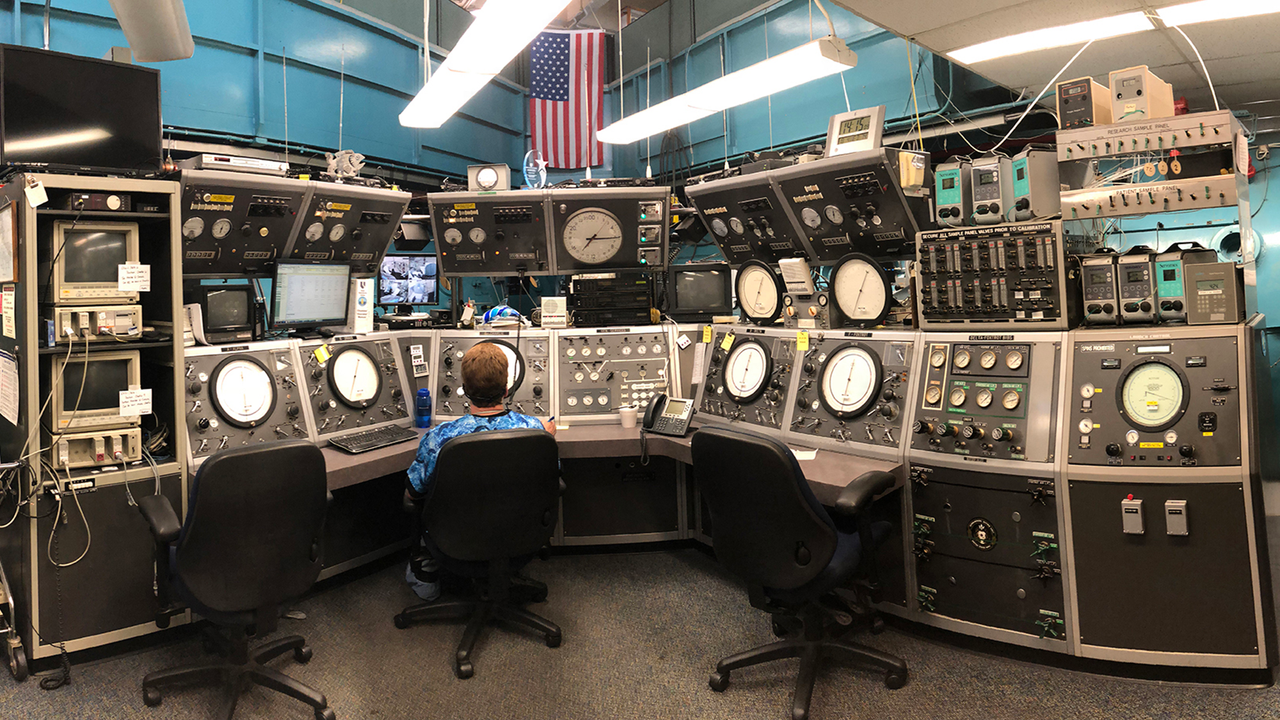
In a controlled environment at Duke's hyperbaric facility, researchers tested CF4 alongside heliox by conducting dives with a group of 40 pigs, selected for their physiological similarities to humans in this context. Each animal was sedated and outfitted with specialized suits, which included heating elements and even diapers for comfort during the experiment.
Findings and Implications
During the simulated dives, one group of pigs breathed heliox throughout, while another group switched to an oxygen and CF4 combination for the last critical ten minutes of immersion. This strategic change allowed for a gradual replacement of helium with CF4, minimizing the accumulation of inert gas in their tissues. After surfacing, the effects were stark: pigs inhaling only heliox exhibited significant signs of decompression sickness, including mobility impairment and increased gas embolisms in their cardiovascular systems.
Tragically, over 80% of the heliox group succumbed to the effects within three hours post-dive, whereas those using the CF4 mix emerged without fatalities. These findings not only emphasize the potential advantages of CF4 in reducing decompression risks but also suggest a need for further exploration into novel diving gas compositions.
Future of Diving Practices
While the immediate implications of these findings may not transform recreational diving standards, as the risk of decompression sickness is relatively low in that community and CF4 is costly, the research holds promise for commercial and military divers. As Dr. Tetzlaff from the University of Tübingen highlights, enhancing safety in any diving context warrants attention and consideration.
Ultimately, Moon and Tetzlaff agree that even if the high cost and specific application of CF4 limit its use, the research provides valuable insights that could lead to broader safety measures in deep-sea diving. Each step toward safer practices represents progress, contributing to the well-being of those who navigate the depths.
This article is for informational purposes only and is not meant to provide medical or diving advice.
Discussion
Sign in to join the discussion.