In Mainz, Germany, an ancient Isis temple is preserved below a modern shopping mall, offering visitors a glimpse into Roman spiritual life.
Uncovering History in Mainz
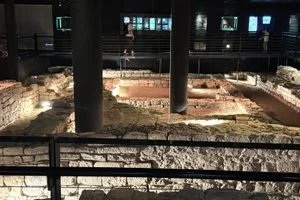
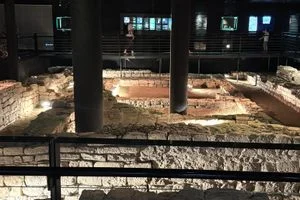
In Mainz, a fascinating juxtaposition exists between past and present: a modern shopping mall sits atop an ancient Roman temple. This is the "Isis-Heiligtum," or Isis Temple, which remains safeguarded beneath the Römerpassage shopping complex. The temple, dating back to the first century, serves as a remarkable testament to the city’s layered history and the persistence of cultural memory. Just beneath the surface of contemporary commerce lies a structure that once served as a significant center of worship, illustrating the city's evolution through centuries.
A Unique Museum Experience
Visitors can easily reach the temple, located just a brief 10-minute walk from Mainz Hauptbahnhof train station. This strategic location underscores the temple’s accessibility and offers an intriguing contrast to its historical significance. Descending into the hidden space, guests traverse transparent glass walkways that allow for an unparalleled view of the dual temple dedicated to Isis and Cybele (known as Magna Mater in Rome). This careful integration of modern architectural elements with ancient remains creates not just a museum, but a dialogue between eras.
What makes this experience particularly intriguing is how it blurs the line between history and everyday life. While shoppers bustle above, those who descend find themselves drawn into a setting steeped in the mythos of ancient Rome—it's almost surreal. This temple isn’t simply preserved relics; it serves as a portal to understand the spiritual dynamics of a civilization that revered deities and merged cultures.
Insights into Roman Worship
The exhibition reveals insights into the ancient worshippers and their rituals, including a collection of magical artifacts buried on-site for blessings and curses. Such artifacts are never just remnants; they help craft a narrative of belief, power, and community. An intriguing voiceover enhances the experience as visitors learn about the Saturnalia festivities and the temple's role in Roman religion. This kind of storytelling brings history alive and elucidates the complexities of ancient practices, connecting past beliefs to contemporary curiosities.
Moreover, the Saturnalia itself was more than a festival; it was a time when social norms were turned upside down—a temporary liberation of the masses from the rigid class system. Through the voiceovers and the carefully curated exhibits, visitors get a rich sense of how intertwined personal devotion and public celebration were, and how such communal events reinforced societal bonds. This small, thoughtfully designed museum provides a remarkable opportunity to connect with history—truly a rare find within a bustling urban environment.
The Cultural Significance of the Isis Temple
The existence of the Isis Temple beneath a shopping mall is emblematic of a broader trend observed in many European cities, where modern infrastructures frequently overlay ancient historical sites. This layering creates not just a physical connection but also invites conversations about how we value and interpret our past in light of present-day concerns. Some argue that such coexistence is vital for the preservation of history; others view it as a commodification of cultural heritage.
The temple serves as a case study for similar sites globally. Take the Pantheon in Rome, for example; it’s been adapted throughout the centuries, yet remains a pilgrimage site not only for tourists but for anyone interested in the continuum of human worship and artistry. In Mainz, the Isis Temple reflects a similar narrative, revealing how worship of nature-based deities once played a crucial role in society. The rise of consumerism today juxtaposed with ancient beliefs showcases how urban spaces maintain their narratives through change.
Visitor Experience and Educational Value
This museum won’t overwhelm visitors with grandiosity; the intimate setting invites thoughtful exploration. Educational programs and guided tours can enhance the experience, providing a deeper understanding of the artifacts and the context of Roman life. As visitors stand within the remnants of the temple, they not only observe history but are encouraged to engage with it. This is essential for embedding historical knowledge within a contemporary context. The challenge lies, of course, in balancing educational vibrancy with the commercial demands of a shopping center.
Implications for Future Heritage Preservation
The juxtaposition of a shopping mall and an ancient temple raises important questions about heritage preservation in urban settings. What does it mean to protect history when it is encased in modernity? For many commentators, this blend embodies both the challenges and opportunities faced by heritage conservationists. There’s a risk that as urban spaces continue to expand, such historical sites could be overshadowed or, worse, neglected.
If you're working in this space, consider how narratives like that of the Isis Temple could influence cultural policy. The integration of archaeological finds with modern life isn't just a matter of aesthetics; it can reshape community values and public engagement with history. Given that many urban areas face similar issues, how we handle the preservation of sites like the Isis Temple in Mainz can serve as a model—or a cautionary tale—for other cities grappling with their past amidst relentless development. Visitors may walk away with more than just souvenirs; they could gain a renewed appreciation for how the past informs the present, finding meaning in the chaos of contemporary urban life.
Discussion
Sign in to join the discussion.