Hurghada International Airport's Terminal 1 blends its architecture with the surrounding landscape, creating a unique travel experience for visitors.
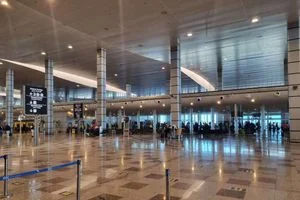
Transformative Architecture
Most airport terminals serve a straightforward function: transporting passengers. However, Terminal 1 at Hurghada International Airport takes a unique approach by integrating the surrounding landscape into its design. This architectural philosophy reflects a growing trend among modern airports that seek to not only facilitate travel but also enhance the passenger experience through thoughtful design. Many contemporary infrastructures are beginning to focus on biophilic principles, which emphasize a connection to nature, thereby offering travelers a more immersive experience in their surroundings.
Impressive Dimensions
Inaugurated in late 2014, this terminal spans about 92,600 square meters across three levels. Its standout characteristic is an expansive elevated ceiling that mimics the flowing forms of the nearby Red Sea and the desert landscape. The scale of the terminal is significant, especially considering the rapid rate at which air travel is increasing in key regions like the Middle East. You'll find that as global tourism grows, airports are not just functional hubs but statement pieces reflecting the culture and geography of their locales. A term often associated with this architectural trend is "airport as a destination," where the space itself becomes part of the allure. This is particularly relevant for Hurghada, as its terminal caters to a growing flow of tourist traffic, signaling an understanding that the airport is the first impression of a broader cultural environment.
Design and Experience
The terminal’s glass façades and open interior spaces enhance the illusion of the ceiling floating above passengers. This architectural choice offers travelers a preview of their destination, bridging the arid surroundings with a visual representation of the sea above. The interplay of light and space serves to create an inviting atmosphere while also reducing the need for artificial lighting during the day. The layout promotes efficient passenger movement, which is vital in managing peak travel times, especially during the high season when tourism balloons in this part of Egypt. Designers recognize that today's traveler often prioritizes experience over efficiency alone. They want to feel a connection—to the journey they're embarking on, and to the destination they’ll explore. That's where this airport stands out. The open design allows travelers to appreciate the transition from land to sea, offering a visual narrative that enhances the travel experience. And this is the part most people overlook: the integration of architecture with local culture can significantly influence a traveler’s mood and perception, setting the tone for their vacation or business trip right from the get-go.
Gateway to the Red Sea
More than just a transit point, the terminal functions as an entryway to Hurghada and the broader Red Sea resort area, which includes popular spots like El Gouna, Makadi Bay, Sahl Hasheesh, and Soma Bay, extending further south. This aspect is essential not only for tourism but also for sustaining the local economy, heavily reliant on the inflow of international visitors. Local authorities have encouraged investments to enhance both the travel experience and the infrastructure around the airport. A strategic proximity to luxurious resort areas not only makes it a pivotal location for travelers but also positions it as an attractive investment opportunity for airlines and tourism companies. This synergy creates a reinforcing cycle: more flights lead to increased tourism, subsequently enticing more airline services, which in turn fuels economic growth in the region.
Implications and Future Outlook
The design and function of Terminal 1 at Hurghada International Airport have implications that extend beyond its walls. It represents a critical recognition of how airports can serve as more than merely functional transit points. As travel trends evolve, airports are increasingly being viewed as gateways that reflect and promote local culture. If you're working in this space, you might consider how this shift might influence future airport designs elsewhere. With increased focus on passenger experience, we'll likely see more airports adopt biophilic designs or implement features inspired by local landscapes. Economic pressures will necessitate that airports not only accommodate higher passenger volumes but do so in a way that enhances operational efficiency while simultaneously celebrating regional identity. The trend toward integrating local culture and environment into airport architecture isn’t going away anytime soon. It could redefine the standard for airport design and functionality. But as airports strive to be more engaging spaces, they must balance aesthetic ambitions with practical needs. The efficiency of airport operations cannot be compromised in favor of appearance alone. After all, while a terminal can look stunning, it still needs to serve its primary purpose effectively. The next phase in airport evolution will undoubtedly include innovations not just in design but also in digital experiences for travelers, with emerging technologies enhancing passenger flow and information accessibility. As we look forward, the challenge will be to find that balance between creating environments that reflect the local culture and maintaining operational efficiency in an expanding global travel market.
Discussion
Sign in to join the discussion.