Discover Salubria, a little-known historical site in Virginia with deep roots in America's past, recently revitalized for public engagement.
Historical Significance of Salubria
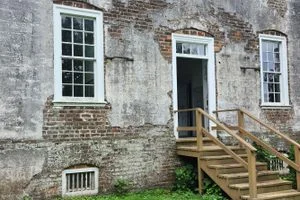
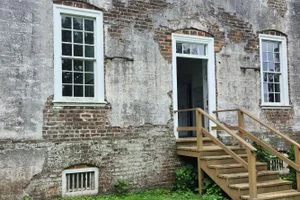
Salubria, a name derived from the Latin term for "healthful," serves as a significant historical landmark in Virginia's Piedmont region. Established around 1757, this residence is a rare example of what life looked like in pre-Revolutionary America. Unlike many architectural sites that have undergone numerous modern renovations, Salubria has maintained its original state, preserving the authenticity of its past. This preservation choice is increasingly rare in a world where historical sites often blend past with present, losing much of what made them remarkable in the first place.
Visiting Salubria, one can see much of its original woodwork, which not only adds to the aesthetic value but also serves as a tangible link to America's colonial past. The decision to forgo modern furnishings and restorations means that the house offers an unfiltered glimpse into an era that shaped the nation. This kind of preservation—where historical integrity is prioritized—creates a unique experience for historians, tourists, and locals alike.
Modern Preservation Efforts
The Germanna Historical Society acquired Salubria in 2000, marking a new chapter for the property. Organizations like this often undertake the incredible task of preserving such sites, not just for historical significance, but for educational value as well. Recently, Salubria has received a notable grant aimed at enhancing its preservation efforts. It's a move that seems to signal a broader collective responsibility to maintain sites that speak volumes about American history.
With the grant, there's potential for increased accessibility to the public. But, this isn't just about keeping the doors open. Preservation efforts often include educational programs that encourage visitors to learn about the complexities of the era, including its social issues. Salubria, for instance, has a complicated narrative that includes the presence of enslaved individuals who lived and worked on the property during its formative years. Addressing this aspect isn't merely a box to check; it’s a critical component of historical interpretation.
Connections to American History
Throughout its storied past, Salubria has hosted numerous prominent figures and stood witness to significant events. During the Civil War, it functioned not only as a home but also as a critical point of encounter among various societal factions. That period in American history was fraught with conflict and change, and having a site like Salubria that allows us to explore these connections is invaluable.
One of the more notable figures born in Salubria is Cary Grayson, who served as a physician to President Woodrow Wilson. Grayson’s life and contributions to American healthcare during a tumultuous time reflect the intertwining of personal histories with broader national narratives. This highlights Salubria's importance; it's not just a house—it’s a repository of cultural memory and national identity.
Interestingly, Salubria's floor plan shares similarities with the George Wythe house in Williamsburg. Both homes are exemplary of colonial architecture, offering insights into design influences and lifestyle choices of the 18th century. This architectural resemblance doesn't just suggest a shared aesthetic; it hints at a broader narrative of social status and economic conditions prevalent among Virginia's gentry.
Complexity of Historical Narratives
What's often overlooked is the intricacy of historical narratives attached to such sites. Salubria's story is not devoid of controversy and complexity. The presence of enslaved individuals is a significant part of its narrative, an element that can provoke discomfort among visitors. This ambivalence reflects modern-day challenges in addressing historical injustices while celebrating our shared heritage. If you're working in this space, you understand that presenting these aspects of history can evoke mixed reactions that need to be navigated with care.
Recent discussions surrounding similar historical sites have raised questions about how to present unfiltered historical truth while engaging audiences meaningfully. Balancing educational content that includes difficult topics and maintaining public interest can be tricky, but it's an area in which Salubria seems poised to excel, especially with the influx of resources aimed at enhancing visitor experience.
Future Outlook for Salubria and Similar Sites
The implications of Salubria's preservation efforts extend beyond its walls. As funding for historical preservation becomes more competitive, how sites like Salubria adapt will be telling. Organizations dedicated to preserving history will likely focus on innovative ways to attract visitors, including interactive exhibits and community engagement initiatives. The challenge will be to make historical narratives relatable to younger generations without diluting their authenticity.
This is more significant than it looks. Sites like Salubria can serve as microcosms for larger historical patterns. They can stimulate discussions about heritage, identity, and societal change. As more resources flow into preservation, these sites will become crucial for education and reflection. They can fulfill the dual role of being both tourist attractions and educational hubs. And yet, the narrative complexities they embody must be approached thoughtfully.
In summary, Salubria stands as both a symbolic and literal representation of America’s rich history. Its preservation offers a chance to engage with the past in a way that honors every facet of its narrative, even those that are less comfortable. As we move through these discussions, understanding the significance of sites like Salubria will become ever more essential for future generations. They not only preserve history; they weave it into the fabric of our contemporary society.
Discussion
Sign in to join the discussion.