Explore Kloster Eberbach, a historic Cistercian abbey in Eltville am Rhein, famed for its architecture, wine cellars, and cinematic legacy.
A Historical Snapshot of Kloster Eberbach
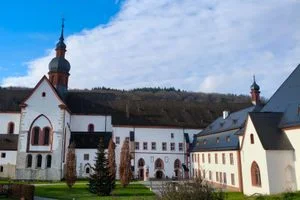
Perched on a sunlit slope in Eltville am Rhein, Kloster Eberbach isn't just a stunning example of Cistercian architecture — it represents a living testament to the endurance of monastic traditions through the ages. Established in 1136 by twelve monks, this abbey became a vital center for monastic life dedicated to solitude and spiritual discipline. The Cistercians, known for their austere lifestyle, played a significant role in shaping agricultural practices and winemaking in medieval Europe. Their commitment to hard work and communal living laid the groundwork for various forms of agriculture, which are still evident in many European vineyards today.
Architectural Significance and Design
This abbey isn't just distinguished by its age; its architectural features are noteworthy as well. The Romanesque grain barn, expansive and column-free, reflects the innovative building techniques of its time. This style suggests a strong sense of functionality combined with an aesthetic sensibility that seems every bit as vital today. The absence of columns allows for a large, uninterrupted space, showcasing the engineering prowess of the era. The skilled craftsmanship evident in the stonework and layout underscores the significance of the abbey not only as a place of worship but also as a center for trade and commerce, particularly in viticulture. The Cistercian monks were innovators in the way they cultivated land and managed resources, often adopting sustainable practices that continue to influence modern agriculture.
The Winemaking Legacy
Kloster Eberbach is firmly planted in the lineage of European viticulture due to its historic wine cellars, where Rheingau Rieslings have been crafted for nearly a thousand years. The monks' expertise in viticulture was legendary; they combined rigorous agricultural practices with spiritual discipline, resulting in wines that are still celebrated today. The ideal climatic conditions of the Rheingau region, alongside the monks’ meticulous attention to grape cultivation, established a quality benchmark that would shape the industry. Today, the Rieslings produced here are renowned for their complexity and finesse, drawing wine enthusiasts from around the globe. The tradition of winemaking at Kloster Eberbach is not merely about producing a product; it embodies a history of labor, persistence, and craftsmanship that has evolved through centuries but remains true to its roots.
Cinematic Fame
Notably, the abbey's atmospheric stone corridors and vaulted halls gained international fame as the filming location for the 1986 adaptation of Umberto Eco’s The Name of the Rose. This film, with Sean Connery portraying a medieval detective, was not only a cinematic milestone but also an exploration of philosophical and theological debates prevalent during the Middle Ages. The film’s success brought global attention to Kloster Eberbach, showcasing its historical beauty and architectural wonder. You could say that the iconic visuals immortalized in the film have made the abbey a dramatic backdrop in a cultural narrative that connects us with the past in meaningful ways. Many visitors today may find themselves drawn to the site not only for its historical significance but also because it stood as a character in a story that grapples with the nature of faith, knowledge, and power.
Experiencing the Abbey Today
Today, visitors can immerse themselves in that rich history by dining in the former monks’ dining hall at the Klosterschänke. This setting offers an unusual opportunity to savor exquisite German and Mediterranean dishes while enjoying sweeping views of the cloister garden and adjacent vineyards. The combination of culinary delight and historical ambiance creates a unique experience, drawing locals and tourists alike. You won't just be eating; you’ll be partaking in a tradition that has been preserved for nearly a millennium. Imagine enjoying a meal while surrounded by the very stones that have witnessed centuries of religious and agricultural life. (And this is the part most people overlook.) Such experiences can foster a deeper appreciation of the cultural heritage embedded in this ancient site.
Implications for Cultural Heritage and Tourism
As tourism continues to grow worldwide, Kloster Eberbach serves as an example of how historical sites can capitalize on their rich narratives. The blend of culture, history, winemaking, and gastronomy can enhance both visitor engagement and economic viability. However, with heightened interest comes the challenge of preservation. It’s a delicate balancing act: preserving the site’s integrity while adapting to modern tourism demands. Conservation efforts are crucial. They ensure that future generations can also experience the depth of history that Kloster Eberbach offers. For those working in heritage tourism or restoration, the strategic development of such sites will require sensitivity to both their historical significance and contemporary relevance.
The Future of Kloster Eberbach
What this means for you, whether you're a traveler or someone involved in cultural heritage, is straightforward. Sites like Kloster Eberbach represent a convergence of history, art, and community. Their relevance extends beyond the past; they influence cultural identity and tourism economics today. As you explore such destinations, consider how they interact with modern society and what they symbolize for future generations. The stories told within their walls are not just relics of the past but ongoing narratives that evolve with each visitor. Kloster Eberbach stands as a profound reminder that heritage sites can have a living relevance, enriching our understanding of history while simultaneously providing a lens through which we can appreciate the intricacies of modern life.
Discussion
Sign in to join the discussion.