A recently unearthed skeleton near Huaca Pucllana may indicate human sacrifice associated with a ceremonial well, dated to around A.D. 650.
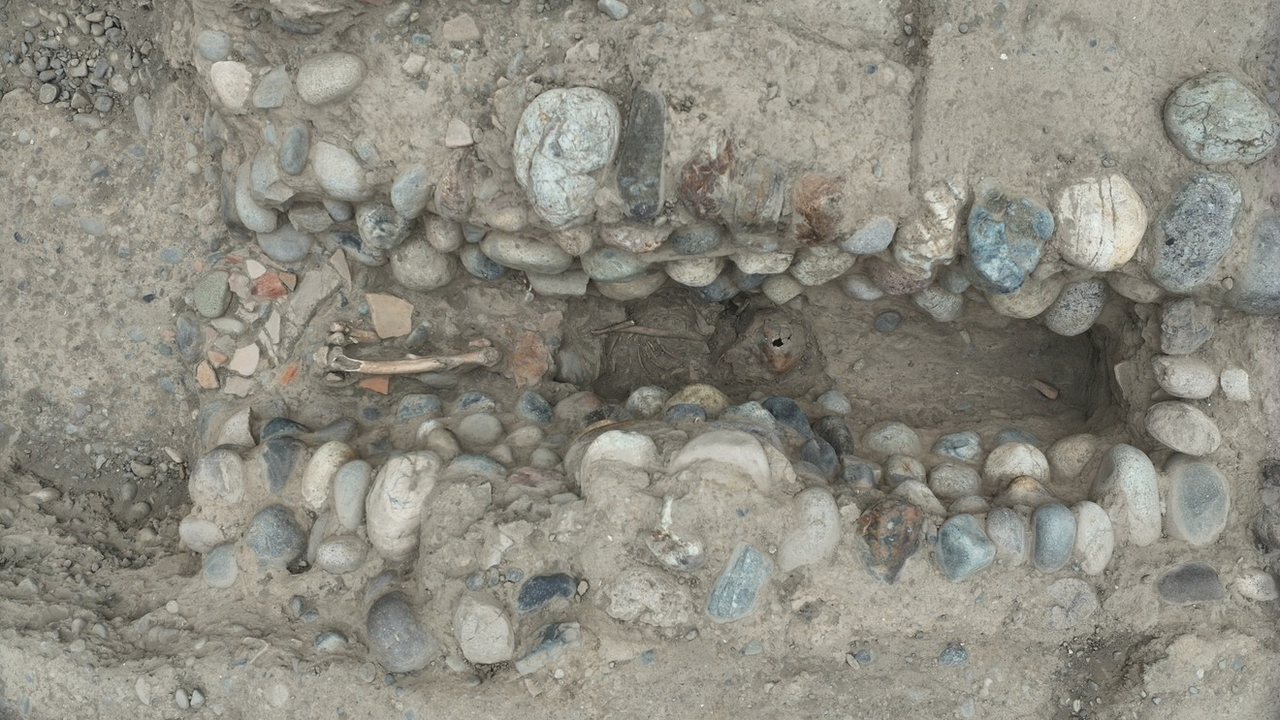
Archaeological explorations at the Huaca Pucllana site in Lima, Peru, have led to the discovery of what appears to be a human sacrifice, providing insights into ancient ritual practices. Excavated from an underground water channel, the remains date back to around A.D. 650, linking them to an era when the pyramid was a center for significant ceremonial activities.
The skeleton of an adult male was found positioned on his left side, with his skull oriented toward not only the ocean but also the pyramid itself, hinting at deliberate placement by the ancient Lima inhabitants. This figure was unearthed close to a ceremonial well, further emphasizing the site's ritual significance.
Significance of Huaca Pucllana
This archaeological site has a rich history, established circa A.D. 400 and flourishing until around 1440. The pyramid, a notable construction of the Lima culture, served as a focal point for various ceremonial activities, including ritual banquets, the destruction of ceremonial pots, and human sacrifices. According to a 2023 study, these sacrificial acts varied widely in scale, showcasing the complexities of their ritualistic practices.
The recent excavation adds a new layer to our understanding of Huaca Pucllana’s role in pre-Columbian society. As a site that transitioned from a thriving urban center to a ceremonial epicenter, its significance extends beyond mere architecture; it illustrates the interconnectedness of community life and religious practice. The thousands of people who inhabited the area contributed to a vibrant culture that placed immense value on both farming and spirituality.
Previous findings at Huaca Pucllana, such as burials from 2007 and 2009, suggested that both male and female individuals were sacrificed in connection with construction rituals tied to the pyramid’s modifications. Such revelations raise important questions about gender roles and societal structures within Lima culture. Did sacrifices serve to appease the gods, or were they also a means of reinforcing social hierarchies? This context enriches our understanding of the cultural importance of such rituals to the Lima people.
Insights into Ritual Practices
The recent finding opens avenues for further investigation. Archaeologists suggest that the skeleton confirms aspects related to the “closing ceremonies” of the ceremonial well. This indicates the water channel and associated infrastructure were part of rituals and offerings, providing a glimpse into how the Lima people viewed the relationship between water, fertility, and the divine. This indicates that the ancients might have had a spiritual conception of water that reached beyond its physical utility.
The construction method, which combined small mud bricks for the pyramid with river stones for the water channel, highlights diverse building techniques employed by the Lima culture. It’s fascinating to note the engineering skill involved, suggesting that the builders possessed a sophisticated understanding of materials and their properties. Such observations lead to broader questions about the technological capabilities of pre-Hispanic societies and their ability to create monumental architecture without modern machinery.
Analysis of the skeleton will further clarify its characteristics—determining sex and age at death using pelvic and cranial features. (And this is the part most people overlook.) Additional examination for trauma will shed light on whether this individual was indeed a victim of sacrifice, deepening our grasp of the ancient Lima civilization's customs. The possibility of trauma may not only confirm sacrificial intent but could also reveal health issues that were commonplace among the population at that time.
Implications and Future Outlook
As this investigation unfolds, it presents an opportunity to re-evaluate the intricate relationships between architecture, ritual, and daily life in one of the pre-Hispanic cultures that once thrived in modern-day Peru. The skeletal remains may also pave the way for new methodologies in archaeological analysis, potentially shifting how researchers approach similar sites. If you’re working in this space, keep an eye on how advanced forensic techniques might reveal nuances in burial practices or health indicators in ancient populations.
The broader significance of these digs at Huaca Pucllana can't be understated. They shine a light on the socio-political dynamics at play in ancient Lima society. This evidence of human sacrifice might complicate the commonly held views about ritual practices, pushing scholars to reconsider the motives and implications behind these acts. The host of ceremonial structures, combined with the archeological recoveries, set the stage for something more than mere religious fervor — they suggest a deeply entrenched belief system that permeated daily life.
In short, these excavations are more significant than they may appear. They offer a multifaceted look at the intricate tapestry of Lima's cultural heritage while inviting us to explore the spirituality that dominated their lives. The ongoing research will enrich not just our historical understanding but also our appreciation of the complexities involved in ancient peoples' lives.
Discussion
Sign in to join the discussion.