Joan Weed innovates a classic strawberry shortcake recipe, transforming it into a biscuit-based dessert that's both simple and delicious.
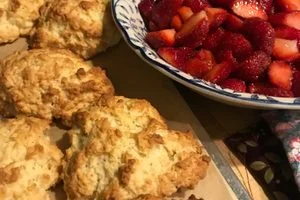
Joan's Creative Transformation
Joan Weed took inspiration from a magazine recipe for a traditional shortcake and crafted a unique biscuit variation that enhances flavor and texture. This culinary creativity is vital in the cooking world, where often, the simplest of ideas can lead to delightful innovations. Shortcake has long been a summer favorite, capturing the essence of fresh fruits and light creams in a delightful dessert. Joan's approach isn't merely an alteration; it reflects a broader trend where cooks and chefs are reimagining classic recipes to better suit contemporary tastes and cooking practices.
Essential Ingredients
The ingredients required for this delightful dessert include:
- 3 cups sifted flour
- 4-1/2 tsp baking powder
- 1 tsp salt
- 1/3 cup sugar
- 3/4 cup shortening (or butter)
- 2 eggs
- 2/3 cup milk
- 2 tbsp melted butter
- 2 quarts strawberries
- 1 cup heavy cream
The combination of these ingredients isn’t just about filling a recipe; it’s about achieving that perfect balance of flavors and textures. The use of shortening vs. butter can drastically alter the outcome. Shortening tends to create a flakier texture, which can be desirable in biscuits, while butter offers a richer flavor. Each ingredient plays a crucial role, and understanding their functions can lead to a more satisfying outcome.
Preparation Steps
Begin by sifting the dry ingredients, then incorporate the shortening. This step not only combines the components but also aerates the flour, leading to lighter biscuits. Add eggs along with just enough milk to moisten the mixture. This subtle balance is key; too much liquid can yield gummy biscuits, while too little can make them dry. Scoop 1/4 cups of dough onto a greased baking sheet, spacing them 2 inches apart. A common error many make is overcrowding—giving biscuits room to rise is just as important as the baking temperature. Bake at 425°F for about 20 minutes, or until they achieve a golden brown top.
While the biscuits are baking, prepare the strawberries by cleaning, slicing, and sweetening them to taste. Sweetening strawberries brings out their natural flavors, which can be crucial for less-than-ideal fruit that may be out of season. After letting the baked biscuits cool slightly, split or crumble them, then top with the prepared berries and a generous dollop of whipped cream. This layering not only creates a beautiful presentation but also a delightful mix of flavors in each bite.
A Bonus Note: These biscuits are versatile and freeze well, making them a delightful treat even on their own! The ability to freeze them offers some flexibility for those who may want to enjoy them in the future without the need for an extensive preparation process. That's a significant time-saver for busy households!
Implications of Culinary Creativity
Joan's transformation of the traditional shortcake is a testament to the importance of innovation in cooking. Changing a familiar recipe appeals not only to taste buds but also to the evolving preferences of modern consumers. With food trends constantly shifting towards health consciousness and flavor exploration, this type of adaptation resonates with a growing audience that seeks both comfort and novelty.
If you're working in this space, you’ll want to consider how your recipes can be enhanced while staying true to their roots. This creative experimentation can signify a response to broader culinary movements, including the push for lighter fare during warmer months. It also reflects a cultural shift where people are more open to customization, be it a healthier cake option or a different fruit medley than what’s traditionally expected.
Moreover, the significance here extends beyond individual recipes. As culinary enthusiasts explore these adapted versions, there’s an opportunity for chefs and home cooks alike to create personalized dishes that fit dietary restrictions and preferences. For instance, swapping in gluten-free flour can cater to those with dietary restrictions without sacrificing taste or texture, a growing demand in the food industry.
And yet, as much as innovation is welcomed, there’s a line that should not be crossed. Straying too far from what defines a classic can alienate traditionalists who seek the authentic experience of the dish. Recipes can serve as cultural markers, and while adaptation is essential, it’s also important to respect the lineage and roots of these culinary traditions.
Ultimately, Joan's biscuit variation is more than just a sweet treat; it’s a commentary on the ongoing dialogue between tradition and innovation in the culinary arts. Recipes evolve, sometimes resulting in remarkable outcomes, while other times yielding more disappointment than delight. What this means for you is simple: stay curious, keep experimenting, but don’t forget where these inspirations come from. Balancing respect for tradition with the pursuit of creativity is the recipe for success in any kitchen.
Discussion
Sign in to join the discussion.