Cincinnati's nectar soda, with its unique almond-vanilla flavor and pastel hue, reflects the city's rich confectionery history and continues to charm locals.
The Nostalgic Charm of Nectar Soda
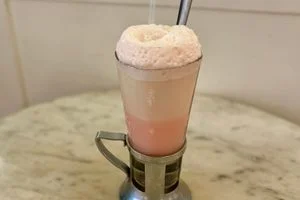
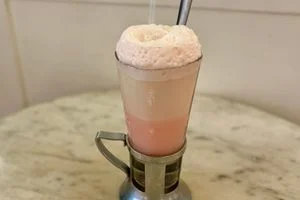
While Cincinnati may be synonymous with its breweries, the city boasts another effervescent delight that has a storied past: nectar soda. This drink, characterized by its pastel pink hue and a flavor fusion of vanilla and bitter almond, has become a nostalgic symbol of the city's confectionery heritage. For many locals, nectar soda isn't just a drink; it's a reminder of childhood, family outings, and the unique cultural fabric that has defined Cincinnati for generations.
Cincinnati's Confectionery History
Cincinnati’s historical roots in the pharmaceutical industry have played a pivotal role in the development of nectar soda. Home to the oldest pharmacy college in the U.S. west of the Alleghenies, the city's tradition of apothecaries flourished, leading to a proliferation of soda fountains and confectionery shops serving various fizzy creations. Similar systems typically emerged in cities with strong pharmaceutical ties, but what sets Cincinnati apart is the blend of health and indulgence that defined its soda culture. Some of these concoctions were marketed as remedies, while others were simply indulgent treats, harking back to an era when sodas were seen as a tonic for well-being.
The Flavor Profile of Nectar Soda
According to food historian Dann Woellert, nectar soda features a flavor profile that masterfully balances sweet vanilla with the distinct bitterness of almonds, earning it the nickname "drink of the gods." This blend is intriguing; it evokes a sophisticated yet approachable taste that appeals to a broad audience. Woellert notes that the drink has roots that trace back to at least the late 1870s in Cincinnati, though its exact origins remain shrouded in mystery. The interplay of flavors is essential. It’s not just about sweetness; the bitter almond adds depth and a unique twist that many have come to love.
A Tale of Two Cities
Interestingly, while New Orleans also adopted the nectar soda tradition, it didn't maintain the same level of popularity. Woellert points out that Cincinnatians were enjoying nectar sodas nearly a decade before their counterparts in New Orleans embraced the drink. This begs the question: why did nectar soda thrive in Cincinnati but struggle to find its footing elsewhere? Various legends assign the creation of nectar soda to different figures in Cincinnati's confectionery scene, but Woellert believes the flavor was popularized by John Mullane, who crafted the recipe after learning confectionery techniques in Quebec. This historical nuance is fascinating; it showcases how cultural exchanges can shape local culinary landscapes.
Cultural Influences and Flavor Origins
Why did this unique flavor find its fanbase in both Cincinnati and New Orleans? Woellert speculates that the French Acadians, who settled in both regions, might have introduced the blend of bitter almond and vanilla. If you’re working in this space, you understand how migration patterns and cultural influences can dramatically alter food traditions. The melding of ingredients and recipes often leads to creations that tell a deeper story about community and identity.
Nectar Soda Today
Today, while nectar soda may not be as ubiquitous as it once was, it remains a cherished beverage in Cincinnati. Local establishments, such as the esteemed Aglamesis Brothers, have been serving it since their inception in 1908. Randy Young, the company's president and CEO, cites the enduring popularity of this classic treat among multiple generations. Graeter’s, another long-standing fixture in the city, also has a history with nectar soda dating back to its founding in 1870. Chip Graeter mentions the drink's peak popularity during the mid-20th century, a time when soda fountains were cultural hubs.
A Glimpse into the Past
The Cincinnati Enquirer from January 28, 1947, revealed that Tom Moore, who oversaw soda operations at Dow Drug Store—once a leading chain with 32 soda fountain locations—declared nectar soda to be one of the most favored flavors in their shops. Back in 1942, they even ran an advertisement exclaiming how Cincinnati was the only city where one could enjoy a "Dow double-dip nectar soda." These bits of history highlight not just the drink's popularity but also its role in shaping community gatherings. There's a warmth associated with sharing a soda, a simple act that connects people.
Modern Preparation Techniques
Traditionally, nectar syrup was crafted by mixing milk or half-and-half with water, bitter almond extract, vanilla extract, and food coloring. Aglamesis now uses a dairy-free syrup that has a longer shelf life, while Graeter’s has adhered to its original refrigerated recipe that still includes milk. This shift towards dairy-free options may resonate with contemporary dietary preferences, but it raises questions about authenticity. To some, the original version might always have the upper hand in terms of flavor nostalgia.
Final Touches: The Making of Nectar Soda
The preparation of nectar soda involves combining the nectar syrup with whipped cream, a scoop or two of vanilla ice cream, and a splash of soda water, finishing with a dollop more of whipped cream. The experience of enjoying a nectar soda is as much about the visual appeal as it is about the taste; it’s a multi-sensory treat. Young observes that while nectar sodas resonate more with older patrons, younger generations who sample them often find the experience delightful. Graeter mentions that although these sodas once had a commanding presence amidst the drink offerings, they’ve since been eclipsed by milkshakes and smoothies. (And this is the part most people overlook.) Traditional beverages like nectar soda are competing in a crowded market, where convenience and new trends often steal the spotlight.
Modern Counterparts and the Future of Nectar Soda
Interestingly, there's even a modern commercial counterpart to nectar soda. Young highlights that various soda brands, like Barq's, have introduced products inspired by the traditional nectar soda, further bridging the gap between past and present flavors in Cincinnati’s beverage culture. This trend illustrates a broader movement where nostalgia meets innovation. You see this in various food categories, where brands try to recapture the essence of classic flavors while appealing to modern sensibilities.
Implications for Beverage Culture in Cincinnati
As we look at the future of nectar soda, its significance extends beyond just being a niche beverage. It embodies a rich local tradition that taps into Cincinnati's historical roots, reflecting broader shifts in consumer preferences. The ongoing interest in artisanal and locally made foods suggests that with some modern adaptation, nectar soda could potentially find its way back into the limelight. This doesn’t just serve a nostalgic purpose; it points to a larger story about community resilience and cultural heritage in the face of changing tastes. The challenge remains: can traditional beverages be revitalized in a market increasingly skewed toward convenience and the latest trends? What this means for you—whether you’re a business owner or a consumer—is that the past still holds valuable lessons for the future of local food culture.
Discussion
Sign in to join the discussion.