"The End of Oak Street" offers a disjointed portrayal of dinosaurs, lacking the scientific accuracy and awe that fans expect from prehistoric narratives.
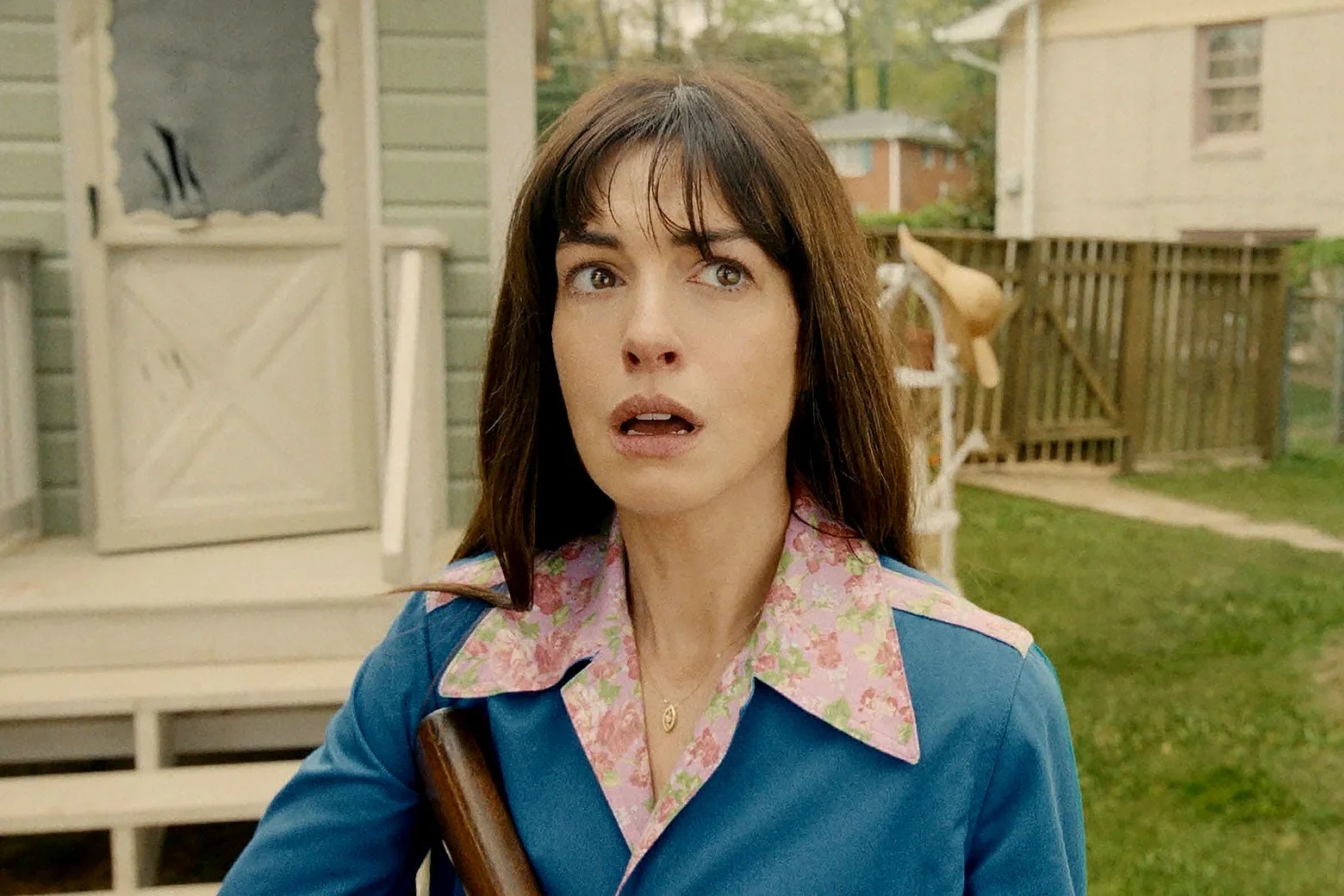
As a lifelong dinosaur enthusiast, I've often found myself yearning for the company of these magnificent creatures—visualizing their great forms in familiar settings, from gardens to streets. This dreamlike encounter becomes a terrifying reality in the new film The End of Oak Street, which presents a world where dinosaurs invade, but unlike previous cinematic portrayals, this one is far from scientifically grounded.
When discussing dinosaur films, comparisons to Steven Spielberg's Jurassic Park are inevitable. Spielberg's 1993 classic not only set the bar for visuals but also respected paleontological insights, thanks to a team of science advisors. The result was a film that remained close to scientific accuracy, aside from the notable exceptions like the exaggerated Dilophosaurus. However, The End of Oak Street diverges sharply from this tradition, favoring an exaggerated and cartoonish representation of dinosaurs that feels more like a bad acid trip than a film grounded in paleontological reality.
Right from the start, The End of Oak Street demonstrates its disdain for paleontological accuracy. It weaves a storyline about a divorcing couple whose troubles are exacerbated by the sudden appearance of dinosaurs—a device reminiscent of other films. One scene features the son, Brian (Christian Convery), pulling a dinosaur book from a shelf, echoing a moment from Jurassic Park III. Nostalgia hits, yet the ill-formed illustrations suggest a lack of serious commitment to the science of dinosaurs.
Paleontologists typically cringe at absurd inaccuracies, and anyone familiar with Pleuromeia, the plant referenced in the film, will certainly feel disappointed. The film presents it as a Triassic plant, yet it’s depicted inaccurately, looking more akin to a common garden variety than an ancient botanical wonder. Such lack of detail implies that more research and authenticity would have enhanced the audience's experience.
As investigations continue, our knowledge of ancient ecosystems tells us that the inclusion of Pleuromeia hints at a prehistoric setting. In reality, the plant existed over 240 million years ago. If only the film had taken this aspect more seriously, it could have provided a more enriching narrative and visual landscape. Instead, we witness a jumbled array of dinosaurs spanning different periods with virtually no coherence to their derived evolution.
Instead of a well-designed Menagerie, we have a motley collection of Jurassic and Cretaceous dinosaurs running amok around suburban Oak Street. With creatures like a disheveled Allosaurus and oddly proportioned Brachiosaurus, the film disregards scientific timelines or characteristics of its dinosaur cast. This sloppiness contrasts sharply with the meticulous work of paleontologists who strive to reconstruct dinosaur life accurately.
While there are fleeting moments when the dinosaurs act like dinosaurs—like the stealthy approach of the Allosaurus—these scenes are overshadowed by the film's broader inaccuracies. The dinosaurs' representations veer so far from what researchers understand about their anatomy, behavior, and environment that those knowledgeable about paleontology may find it more aggravating than entertaining.
Even the intricate details of dinosaur reproduction and behavior appear oversimplified and laughably inaccurate. The film attempts to inject humor through ridiculous dino antics, but it's hard not to feel disappointed at how such magnificent creatures are reduced to mere caricatures. Dinosaur sex depicted in the film revisits tired clichés, creating more confusion than genuine amusement.
The film subtly hints at the broader issue within the dinosaur film genre: a tendency to focus more on action and novelty than on realistic portrayals of these prehistoric beasts. While audiences may delight in the spectacle at first glance, the lack of depth in character and creature presentation makes for an ultimately shallow viewing experience.
As The End of Oak Street creeps toward its climax, the dinosaurs fail to serve their purpose as awe-inspiring entities of terror. Instead, they become bland characters within a cliched narrative centered around marital struggles. For serious dinosaur fans, this choice feels especially disheartening, as it perpetuates the notion that dinosaurs are expendable props rather than complex beings worthy of accurate representation.
The film's end credits feature various fossilized specimens, many of which date from times long after the dinosaurs went extinct. This choice feels more like an aesthetic layer than a meaningful tribute to prehistoric life, signifying a lack of understanding of the timeline and transitions that led to the arrival of new species.
One can’t help but wish that the filmmakers had sought guidance from paleontologists or more rigorously studied the science of dinosaurs before crafting their narrative. Accurate depictions of these creatures could have not only heightened suspense but reignited curiosity about the prehistoric world they inhabited. There’s a timeless thrill that comes from comprehending the full reality of dinosaurs—something that The End of Oak Street sorely lacks.
As summer blockbuster dinosaur films trickle into theaters, there’s an undeniable desire among fans for the glory days of paleo-cinema to return. While the world may seem unexcited about dinosaurs, perhaps what’s truly needed is a bold revisioning of how these historic creatures are represented. If The End of Oak Street sparks interest or inspiration in the genre’s future, there’s hope for a film that can capture the hearts of paleontology enthusiasts while accurately reinvigorating the sheer wonder that dinosaurs can inspire.
Discussion
Sign in to join the discussion.