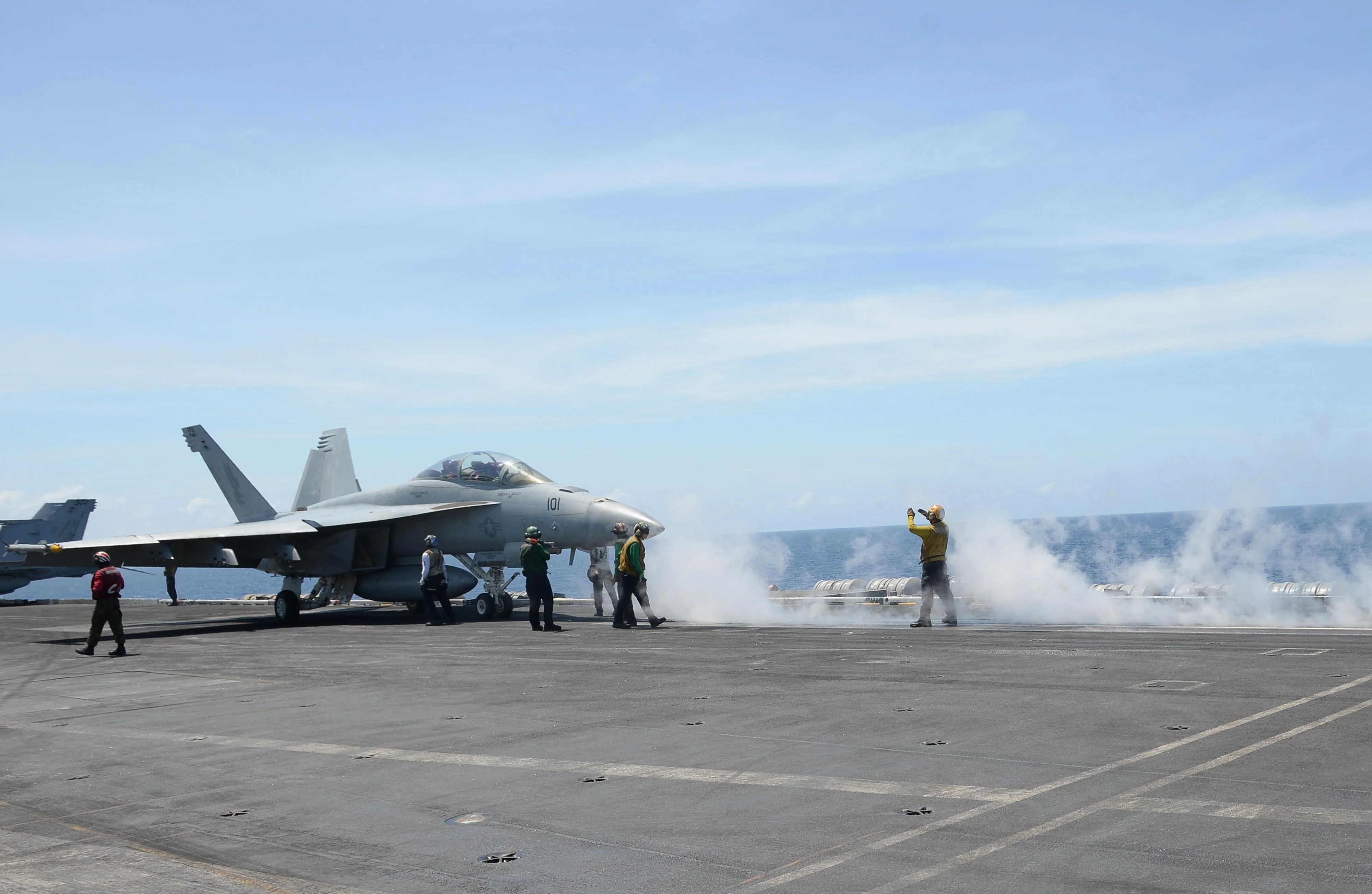
Trump's decision to revert to steam catapults for aircraft carriers raises concerns about military readiness and modernization efforts.
This story appeared in The Logoff, a daily newsletter that provides insights into the Trump administration without overwhelming political news. Subscribe here.
Welcome to The Logoff
Recent actions from the Trump administration indicate a concerning trend of increased oversight over the U.S. military operations. This shift in military policy raises eyebrows, especially in a time when the global geopolitical climate is rife with tension and complexity. Observers may wonder if these decisions reflect strategic foresight or a more troubling impulse to assert control over military functions.
What’s happening?
Following reports about the struggles of the USS Abraham Lincoln, it appears that the administration's influence is tightening around the Pentagon. Last week, President Trump ordered the Defense Department to revert aircraft carrier technology back to steam catapults instead of maintaining the current electromagnetic launch systems. The decision to switch back to steam catapults may stem from Trump's desire to simplify operations, but it overlooks key advancements that have been made in naval aviation technology.
On the same day, the Wall Street Journal revealed that the Army is disbanding its recently formed drone assault battalion, a decision attributed to Defense Secretary Pete Hegseth's new chief of staff. The implications of disbanding such a unit are significant, as the military grapples with an evolving landscape where drones are becoming integral to modern warfare.
Context and implications
These decisions don’t appear to advance the military's strategic agenda. As pointed out by naval expert Bryan Clark in a recent Washington Post piece, reverting to steam catapults could hinder the effectiveness of future aircraft carriers and incur significant costs—contrary to Trump's claims of reduced expenses. This shift is not just a matter of preference; it could delay the introduction of urgently needed naval vessels, a point underscored by the recent challenges faced by the Lincoln, which has struggled to remain operational in a competitive maritime environment.
Moreover, dismantling the drone unit seems even more perplexing. Drones are playing a pivotal role in modern conflicts. Take Ukraine, for example, where innovative tactics have enabled smaller forces to effectively counter much larger adversaries through the strategic use of drone technology. The U.S. hasn't fully capitalized on these tactics, as recent exercises have demonstrated American drone operations struggling against their Ukrainian counterparts. By disbanding a dedicated drone battalion, the Pentagon risks falling behind in a crucial area of modern warfare—something everyone should be concerned about.
Why is this significant?
While President Trump is within his rights as commander in chief to direct these changes, the focus on steam catapults looks misplaced and raises serious questions about military leadership priorities. Such decisions reflect a lack of strategic foresight and suggest a troubling hands-on approach to military operations that could pose broader risks to defense priorities. It's not just about technology; it ultimately impacts operational readiness, adaptability, and effectiveness in confrontations that the U.S. may face.
Some commentators have argued that Trump's approach mirrors a broader trend in which political leaders exert undue influence over military strategy, to the detriment of informed and expert military advice. When political outcomes take precedence over military efficacy, the results can lead to significant misalignment between what the military needs to operate effectively and what the administration thinks looks beneficial for public perception.
The human element
If you're working in this space, you might feel the reverberations of these decisions on the personnel side as well. A military that cannot adapt and innovate risks losing skilled operators and specialists, who want to engage in missions that utilize the best technology available. By sidelining advanced drone operations and returning to outdated carrier technologies, there’s the danger of disillusioning the very force that executes the nation's defense strategies.
(And this is the part most people overlook.) The ramifications of these changes extend beyond just equipment; they affect morale and the confidence of military personnel, who see their capabilities diminished in favor of a politically driven agenda. Soldiers and drone operators today are seeking opportunities that reflect the best practices in technology; instead, they're facing a reversion to outdated systems that can lead to frustration and decreased operational efficiency.
Looking ahead
This evolving situation raises critical questions about the future of military operations under this administration. There's speculation on whether this tightening grip will continue, or if a backlash from both military leadership and the public will cause a reconsideration. The integration of new technologies, such as drones and advanced launch systems, is not just a military preference; it's about staying competitive in a global arena where other nations are rapidly advancing their capabilities.
As these trends unfold, one must wonder: What’s next? Will the Pentagon stand by while essential modern warfare tactics are dismantled? Will they reconsider their willingness to serve under an administration that seems to prioritize optics over operational efficacy? These are crucial junctures that could define U.S. military strategy for years to come.
And with that, it’s time to log off…
In brighter news, my colleague Constance Grady shared a positive development in children's literature. A new wave of middle-grade books is inspiring younger readers, marking progress in promoting literacy. You can read more here.
Thanks for reading, and I hope you have a pleasant evening. Looking forward to our next discussion!
Discussion
Sign in to join the discussion.