Archaeologists in Russia discover a rare tenth-century tomb of a nobleman buried with a horse and dog, highlighting ancient burial customs.
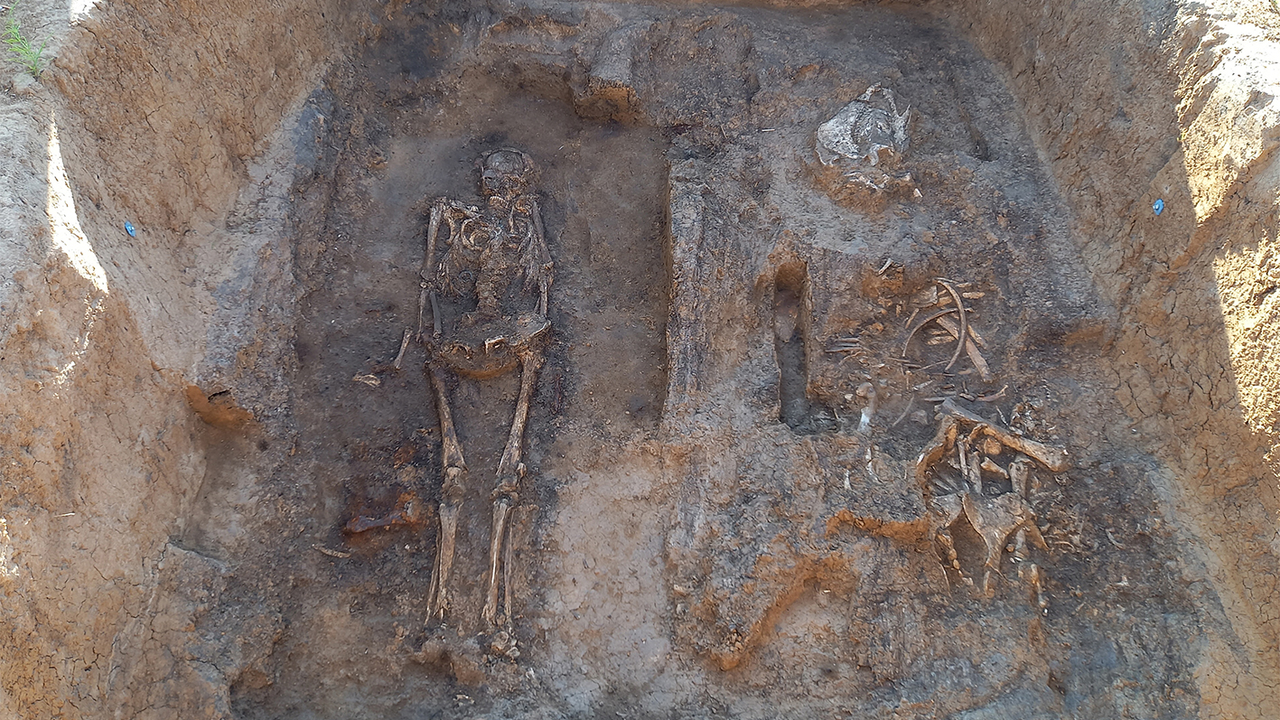
Recent excavations in Suzdal, Russia, have revealed an extraordinary tenth-century tomb containing the remains of a nobleman alongside a horse and a dog. This well-preserved burial sheds light on the connections between medieval Russian nobility and their counterparts in Northern Europe.
Archaeological Context of the Discovery
The find, made this summer at the Gnezdilovo archaeological site, was reported by the Institute of Archaeology of the Russian Academy of Sciences in a translated statement on August 15. Located around 137 miles (220 kilometers) northeast of Moscow, this site contributes to the understanding of burial practices of the Kievan Rus', a federation of settlements that prospered from the late 9th to the mid-13th centuries.
The Kievan Rus' was a significant political entity in Eastern Europe, often regarded as the precursor to modern-day Russia, Ukraine, and Belarus. Given its importance, archaeological discoveries like this one are essential for reconstructing the socio-political dynamics of that era. The burial practices, particularly for elite individuals, reflect cultural influences, religious beliefs, and interactions with neighboring societies, especially those from Scandinavia.
Significance of Burial Practices
The practice of interring high-status individuals in underground wooden chambers was heavily influenced by Scandinavian customs, suggesting deep-rooted connections between the Kievan Rus' nobility and Viking culture. This tomb stands out, as it is one of only about 80 such chamber burials documented across western Russia. This rarity highlights the significance of the find; similar sites have often yielded valuable insights into the ritualistic and cultural interplay between different groups.
This burial chamber, measuring approximately 10.2 by 8.9 feet (3.1 by 2.7 m) and situated about 3.3 feet (1 meter) below the surface, contained a range of artifacts that not only underscore the deceased's elevated status but also provide a glimpse into the daily life and beliefs of the time. You have to wonder: what did these items signify to those living then? Were they seen as necessities for an afterlife or as symbols of status?
Artifacts of Importance
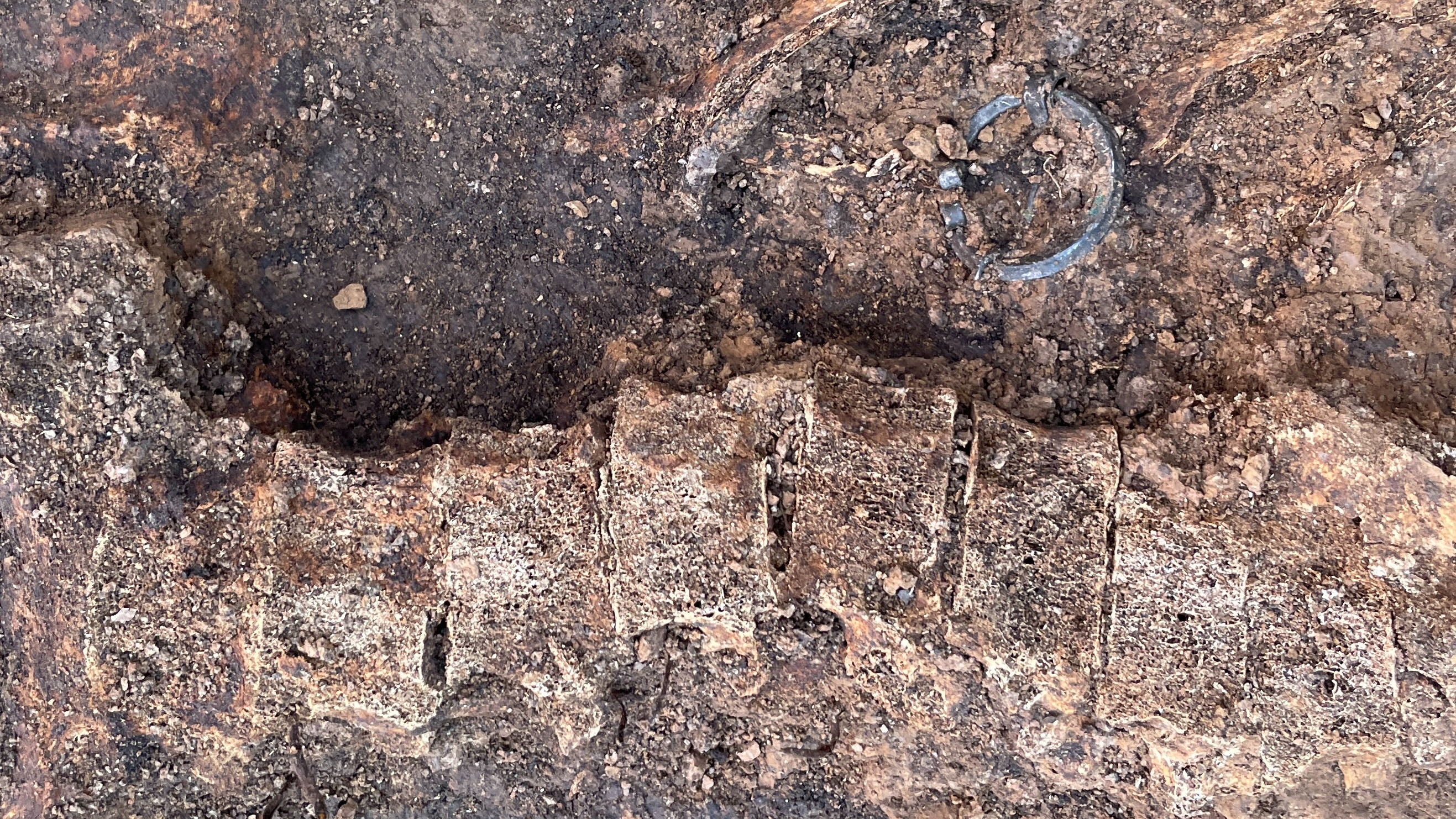
In addition to the remains of the horse and dog, artifacts uncovered included an iron knife, stirrups, riding gear, a bone comb, and a battle axe. Each of these items offers a window into the lifestyle of the nobleman. The silver, horseshoe-shaped brooch near the man's neck is particularly telling of his elevated status, as decorative items often indicated wealth and rank during that time.
The presence of a horse alongside the man might suggest that equestrianism was not just a part of everyday life but also tied to status. Horses were symbols of power and mobility; they were central to both warfare and prestige. If you're working in this space, you can see how this aligns with historical narratives that position the Kievan Rus' as warriors who valued both strength and honor. This connection invites speculation about the social hierarchy of the time.
Broader Archaeological Implications
This discovery is particularly significant as all previously found chamber tombs within the Kievan Rus' territory were located in urban areas. The location of this tomb, in a more rural setting, suggests that Suzdal could have been a pivotal center of power in the region. It challenges the notion that political power was centralized only in cities like Kyiv. The results imply that Suzdal may have served an essential role in the political terrain of early Rus' culture.
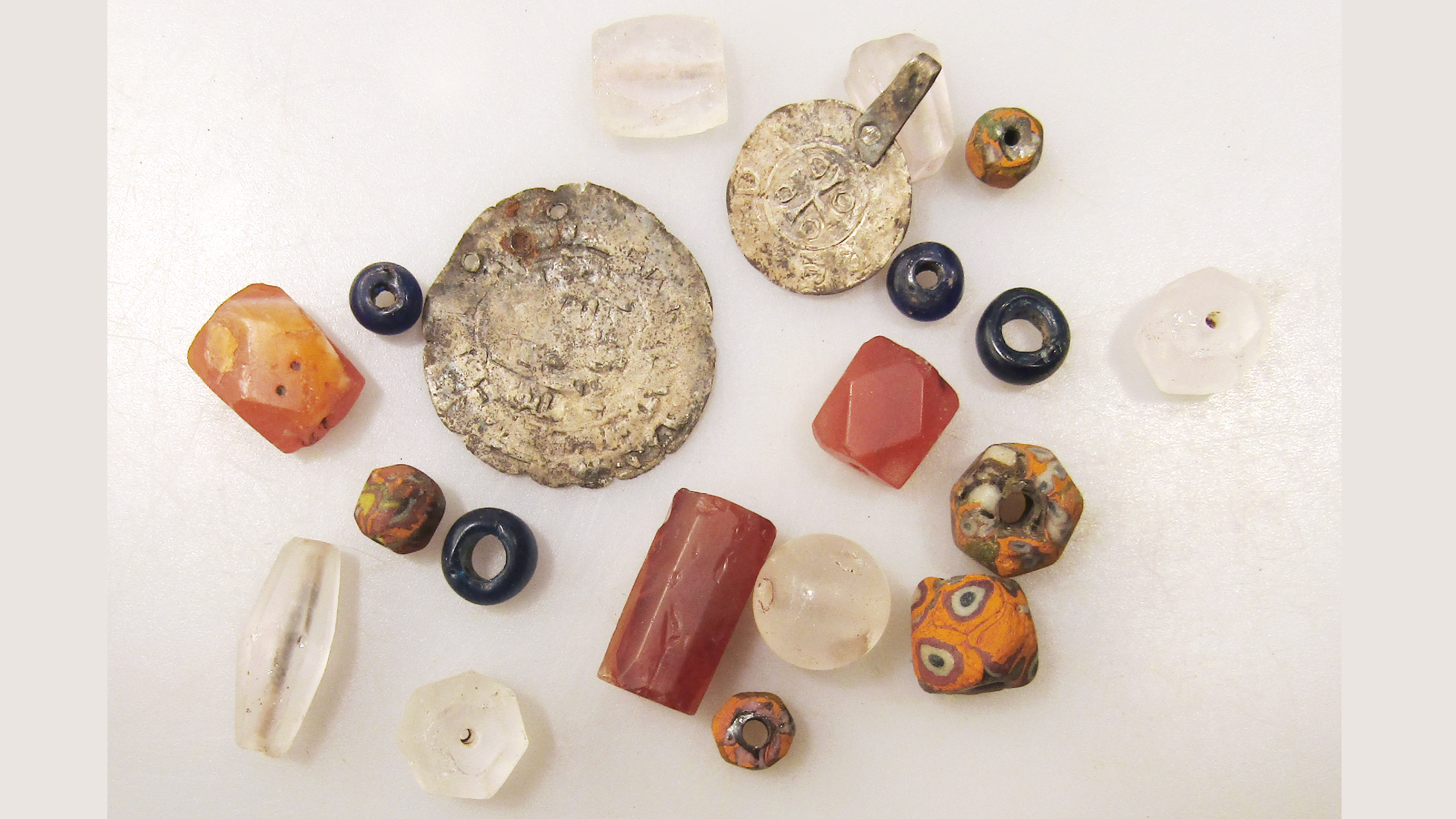
Alongside this prominent tomb, archaeologists unearthed 15 additional burials at the site, featuring a mix of simple pit interments and those marked by barrow mounds. This variety emphasizes the complexity of social structures in the area. Female graves contained silver rings and necklaces adorned with rock-crystal beads, while male graves were filled with weapons and riding gear. This distinction points to differing societal roles and arguably highlights the rich tapestry of gendered experiences in the region.
Future Outlook and Significance
The chamber tomb at Suzdal demonstrates that this area attracted Early Rus’ nobility as early as the tenth century, highlighting its importance in military and administrative domains. This discovery could spark renewed interest in exploring the Kievan Rus' cultural and political dynamics. Given its historical significance, researchers may want to expand their focus on similar rural sites to reveal even more about the lesser-known facets of this era.
Expect to see ongoing analysis regarding the artifacts and their implications for our understanding of early medieval Russian society. This type of excavation can reshape how history is written, painting a more nuanced picture of power dynamics, cultural exchange, and regional organization during a pivotal period. The findings in Suzdal could very well encourage a re-evaluation of the role of smaller settlements in shaping regional history, prompting both scholars and enthusiasts to reconsider the long-held beliefs about the Kievan Rus' era.
Test your knowledge about the human skeleton! Take our human skeleton quiz!
Discussion
Sign in to join the discussion.