A new model reveals how agrivoltaic systems can optimize crop growth and enhance worker comfort by simulating microclimate interactions beneath solar panels.
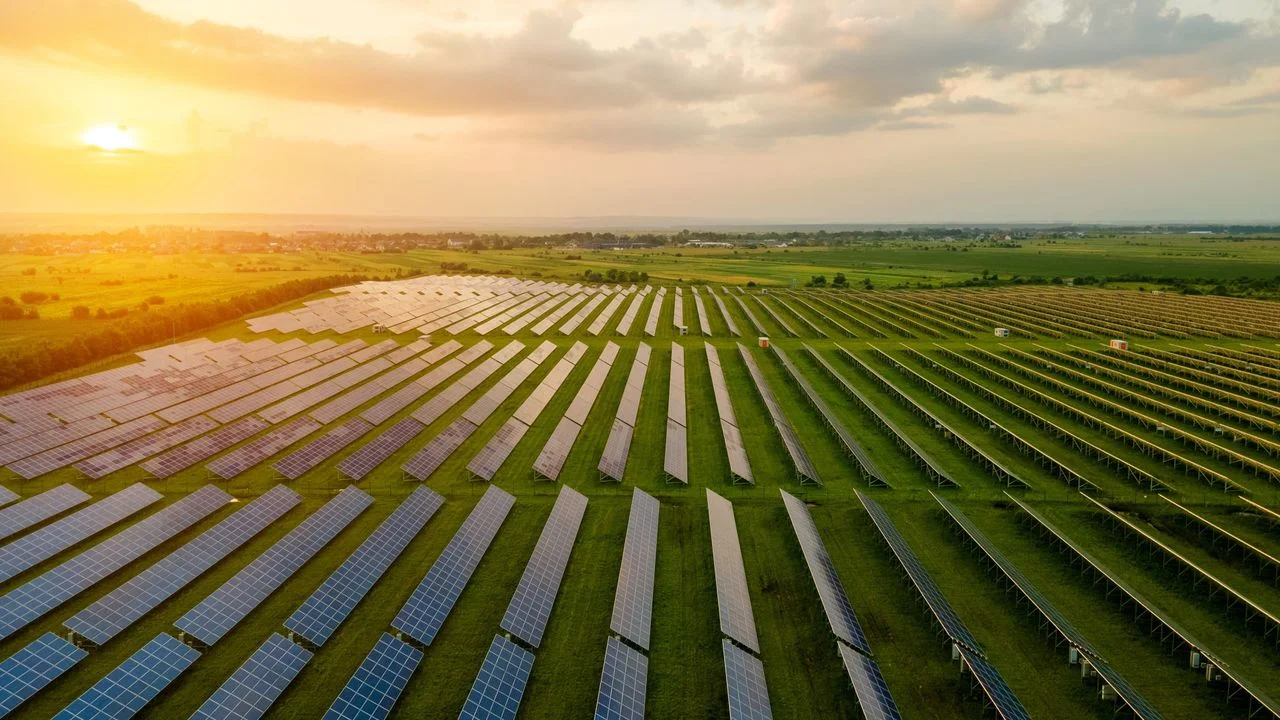
Photovoltaic technology, commonly associated with traditional solar panels, is poised to play a critical role in global energy production by 2050. However, these installations often occupy land that could otherwise support agricultural activities. This presents a pressing dilemma: while the urgency for sustainable energy sources increases, so does the need for food production, especially in regions grappling with resource constraints. Finding a balance between these two demands is essential for future food security and energy sustainability.
To address this conflict, agrivoltaics presents an intriguing solution, integrating crop cultivation with solar panel arrays to ensure land serves dual purposes efficiently. Agrivoltaic systems aren’t merely theoretical; they hold the promise of creating symbiotic relationships where energy and food production can coexist. Previous research has indicated that solar panels can provide shade, enhance soil moisture, and potentially benefit crop yield. This suggests a revolutionary approach to land use that could ease competition for vital resources and promote a greener future.
New Research Model
Most current studies focus on isolated aspects of agrivoltaics, such as light exposure or yield metrics, failing to capture the complex relationships among factors like microclimates, types of crops, and shading effects. This omission can lead to skewed results and missed opportunities. To address these gaps in research, Hosseini et al. developed a novel model that comprehensively simulates microclimatic conditions under solar panels, considering the intricate interactions among crops, soil, air, and the movement of water and carbon dioxide. Such an approach is vital if agrivoltaics are to truly transform agricultural practices.
Utilizing field data from locations like Davis, California, for leaf temperatures and from Chicago City, Minnesota, for soil temperatures, the researchers validated the model's accuracy against actual environmental conditions. This detailed methodology not only strengthens the research's credibility but also indicates the commitment to creating a model that reflects real-world scenarios as closely as possible. While many models generalize findings, this one digs deeper—an essential step if it’s to influence policy and practical applications.
Impact on Crop Growth and Worker Comfort
The model was applied to a theoretical agrivoltaic system featuring a tomato farm, using climatic data from a hot, humid day in Princeton, New Jersey. This choice of location is significant, as the region grapples with high demands for both food and energy—an all-too-common paradox in many agricultural areas. Results demonstrated that tomatoes cultivated under the panels had leaf temperatures averaging 1.84°C cooler than those grown in open fields, with reductions of up to 7.56°C during peak heat periods. This cooling effect led to a 22.4% decrease in water loss through evapotranspiration, showcasing the potential for improved agricultural sustainability. (And this is the part most people overlook: sustainability isn’t just about conserving energy but also about reducing water usage.)
Despite receiving 47% less sunlight, the tomatoes' carbon uptake decreased only by 31%. This indicates that the benefits of moderated temperatures are significant enough to effectively counterbalance some shading drawbacks. Such findings challenge the conventional belief that sunlight is the only pathway to optimal crop yield, showcasing how agrivoltaic systems can reframe our thinking about agricultural productivity.
The solar panels themselves benefitted as well, with their temperatures being 5.6°C cooler during the day compared to panels installed on bare soil. This temperature regulation can help regain approximately 15% of the efficiency typically lost in hotter conditions—a vital metric for solar energy developers who aim to maximize output in increasingly warmer climates. Here’s the thing: if solar panels can operate more efficiently while enhancing agricultural growth, that’s a win-win for both sectors.
Furthermore, the perceived temperature for human workers decreased by 4.46°C during working hours, offering significant advantages for occupational health in agricultural environments. In an industry where heat stress can hinder worker safety and efficiency, such improvements are more than just numbers; they signal a necessary shift towards healthier working conditions. If you're working in this space, you might want to pay attention to how this research could influence worker policies and agricultural design practices.
This advanced model not only highlights the potential benefits of agrivoltaic systems but also serves as a solid foundation for exploring different crop types and climate implications moving forward. Their findings could pave the way for broader application of this system across various crops and geographic regions, illustrating that agrivoltaics might not just be an alternative, but an essential element of our quest for food and energy security.
Future Outlook and Implications
The implications of this research extend far beyond the lab. As agrivoltaics gain traction, more farms might adopt these systems, leading to a shift in how we think about land use. What this means for traditional agricultural practices could provoke debates on land rights, resource allocation, and investment in renewable technologies. Agrivoltaics could reshape policy discussions around food production and energy generation, making them an indispensable consideration for both environmental and economic strategies.
In a world increasingly affected by climate change, this type of sustainable approach could ease burdens on both agriculture and energy systems. However, there’s still a long way to go. Scaling these models up requires not only technological advancements but also a rethinking of agricultural policy to support such integrations. If we can tackle those challenges, agrivoltaics could emerge as an essential solution to some of today's most pressing resource conflicts.
Discussion
Sign in to join the discussion.