Excavations in Serbia reveal a sophisticated Roman bath complex linked to Emperor Maximinus Daza, showcasing advanced engineering and luxury.
A Noteworthy Discovery in Eastern Serbia
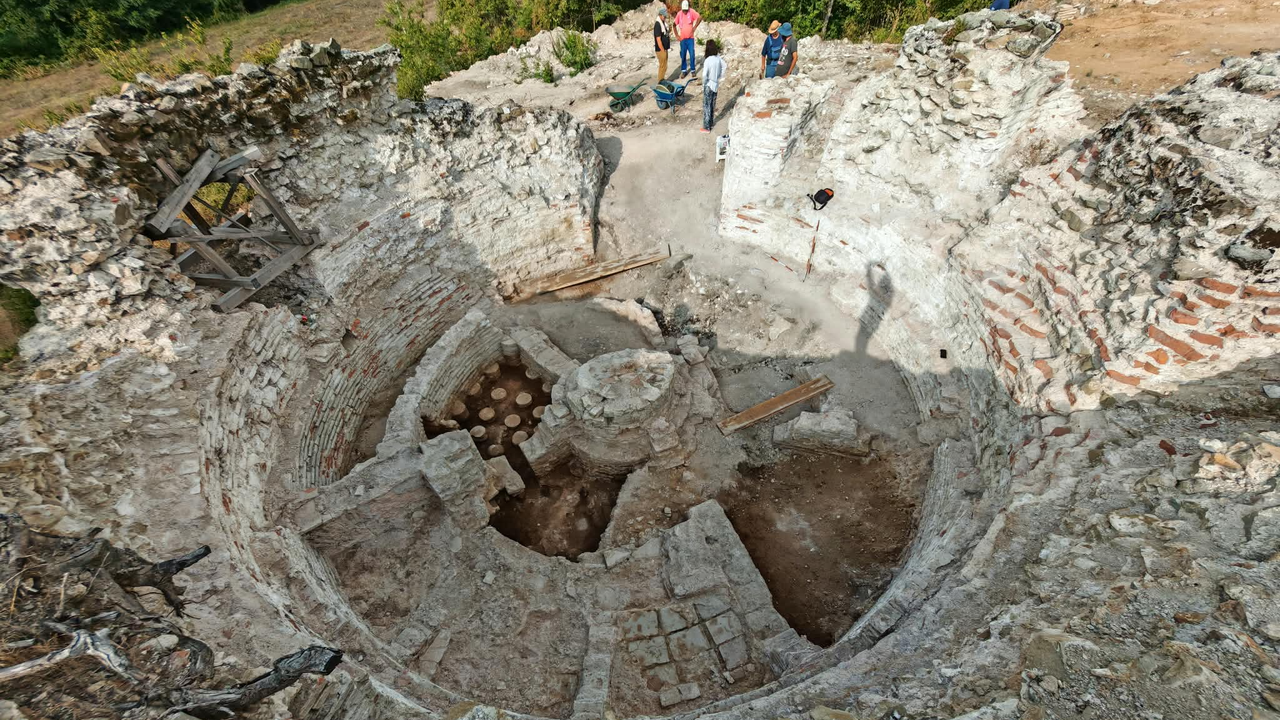
Recent archaeological work in eastern Serbia has unveiled an opulent Roman bath complex believed to have belonged to Emperor Maximinus Daza. Situated in an imperial palace, this remarkable structure features heated floors, three bathing pools, and a sauna — a layout previously unseen in the broader Roman Empire. The implications of this discovery reach beyond mere architectural interest; they highlight the intricacies of social life and the scale of luxury that Roman elites enjoyed during their reign.
The Historical Context of Vrelo-Šarkamen
The site known as Vrelo-Šarkamen dates back to the early fourth century and served as a fortified residential complex for Maximinus, who ruled from A.D. 310 to 313. This period saw the decline of the traditional Roman Empire and the rise of fragmentation, represented by the establishment of the tetrarchy—a system aimed at stabilizing governance in a sprawling empire. The latest findings from this site were announced by researchers from the independent Institute of Archaeology in Serbia, who have been excavating in this area intermittently for several decades, emphasizing the persistence and dedication needed in archaeological research.
Maximinus Daza, originally named Daza and born in the region now known as Serbia, rose to prominence as one of the four leaders of this system established by Diocletian. This governing framework divided the empire into Eastern and Western halves, each managed by a senior and junior emperor. By A.D. 305, the ruling figures comprised Constantius and Galerius as senior emperors, with Severus and Maximinus filling junior roles. However, the perks of power were temporary. The political instability within the tetrarchy marked the beginning of a series of civil wars, culminating in Maximinus' brief tenure as senior emperor before his demise amidst turmoil. This context adds layers to understanding Maximinus' choices, possibly influencing his decision to invest in such grandiose personal projects.
The Architectural Marvel
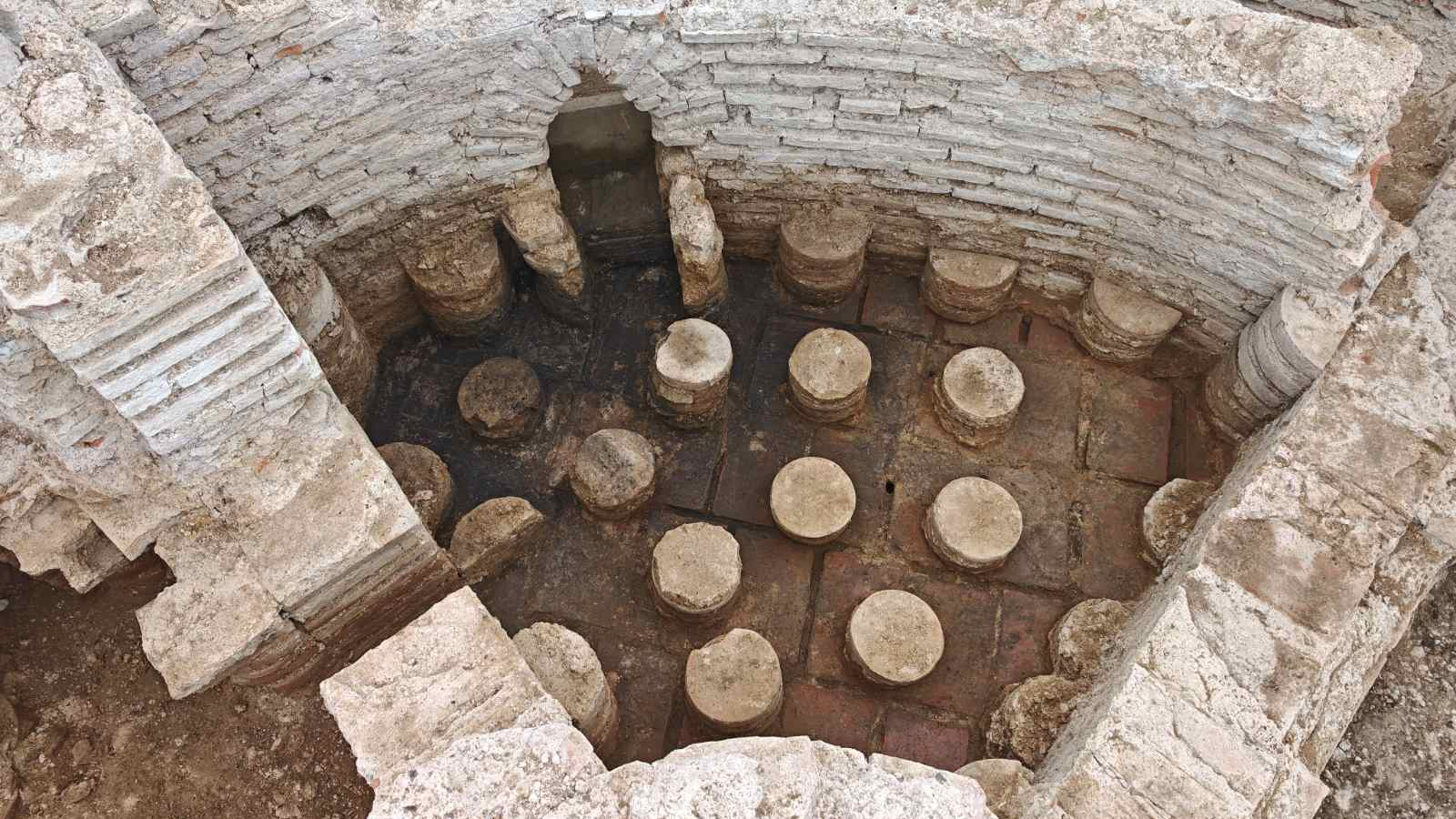
The palace, initially anchored by a monumental tower, is intriguing in its complexity. Archaeologists had not anticipated discovering a circular bath complex on the tower's basement level, given that most Roman baths were typically arranged in a linear fashion. This design element prompts questions about the architectural norms of the time, as well as the engineering capabilities that enabled such a distinctive structure. The bath features a domed ceiling punctuated by six strategically placed windows, indicating an understanding of both aesthetics and functionality that was advanced for that period.
The bath complex itself consists of two distinct sections: one dedicated to the technical aspects of bath operation and the other designed for relaxation and bathing. In the equipment zone, archaeologists uncovered a furnace that illustrates how the bath's floors were heated, showing that even the most mundane details of daily life were thought through meticulously. Evidence of a copper boiler base was also uncovered, although the boiler itself remains conspicuously absent. This missing element might suggest that further excavations could yield more tech from the past, offering insights into Roman advancements in heating technology.
Luxury and Functionality
Inside the emperor's designated suite, you'll find three dipping pools along with a sudatorium, indicating that this space was more than just for hygiene. It was essentially a well-planned retreat designed for the elite. The design and advanced utilities elevate this bath complex to a status that reflects a blend of comfort and function, tailored specifically for high-ranking individuals like Maximinus Daza. Not just a place for cleanliness, this facility served as a social hub, a location for relaxation and networking among the power elite.
Future Research Directions
As researchers continue to investigate this remarkable facility, they aim to clarify the spatial dynamics of the complex and examine how Maximinus and his family navigated this luxurious enclave. What can we learn about power dynamics, social hierarchy, and daily life among the Roman elite during this volatile period in history? The answers could illuminate not only cultural practices but also the broader political landscape of the era. The findings at Vrelo-Šarkamen have the potential to reshape our understanding of Roman architectural and social norms, making this an exciting time for historians and archaeologists alike.
Implications and Significance
This discovery raises important questions: How did such luxury coexist with the political unrest surrounding Maximinus' reign? It highlights a disconnect between the extravagance experienced by the elite and the challenges faced by the broader population in the empire. If you're working in this space, the ongoing excavations may provide insights into economic and social structures that shaped the Roman Empire, laying the groundwork for future historical inquiry.
Whether we’re examining how architectural styles evolved or how political systems faltered, Vrelo-Šarkamen offers a fascinating window into the past—a past that continues to inform our understanding of not just history but human experience across time.
Discussion
Sign in to join the discussion.