New findings reveal a complete neural map of male fruit flies, enhancing our understanding of brain circuitry linked to sex-specific behaviors.
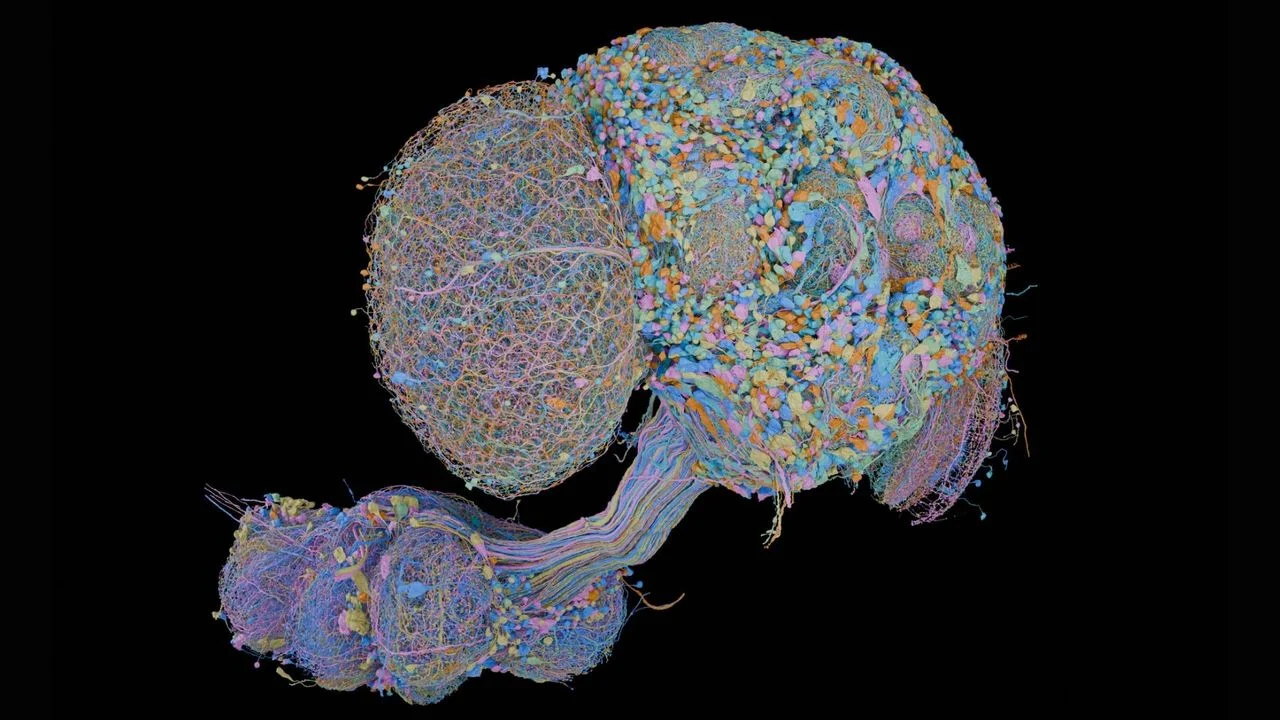
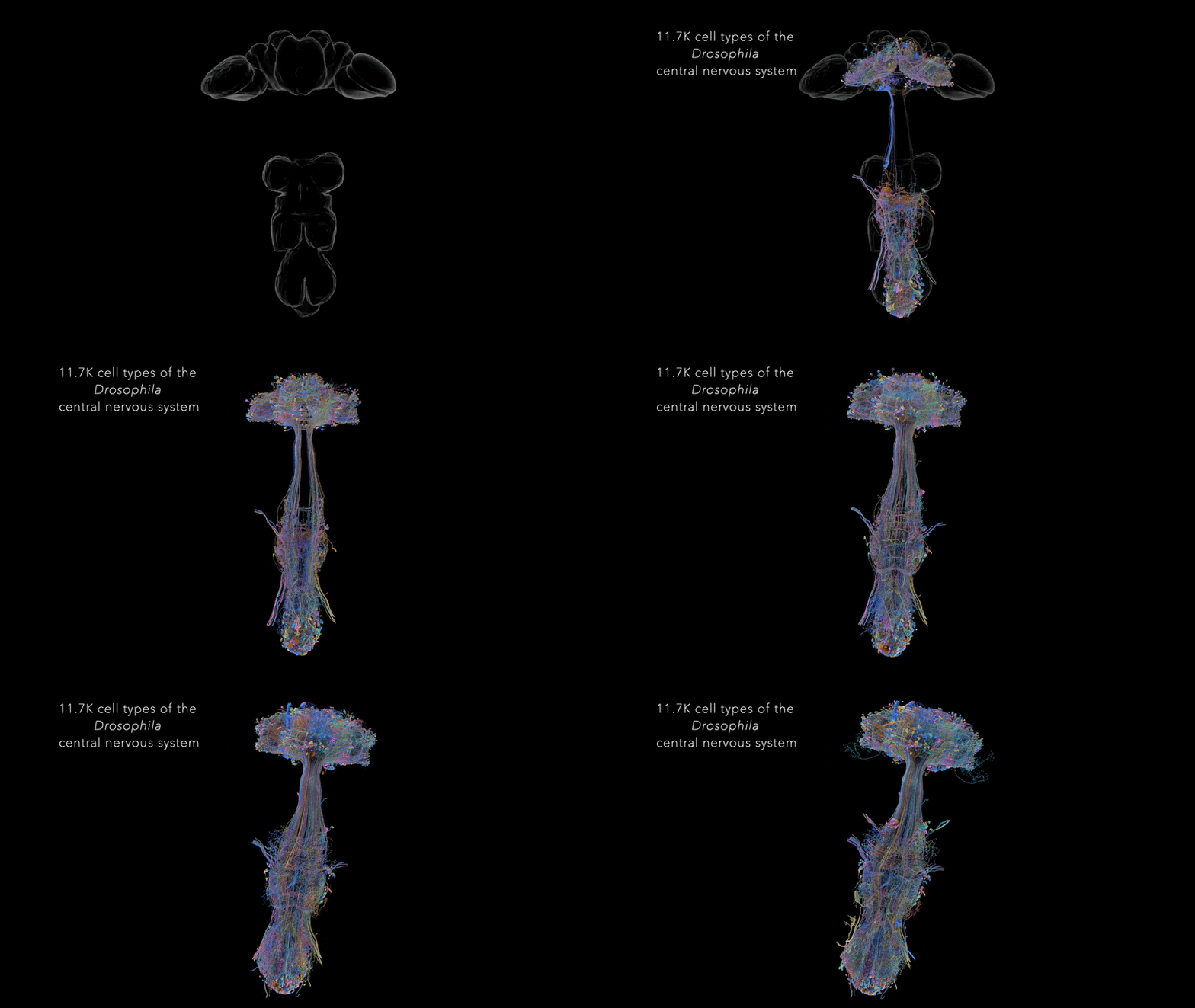
A newly published map detailing the entire central nervous system of the male fruit fly offers impressive insights into its neural architecture, comprising over 166,000 neurons. This connectome represents a complex web of connections that allows for direct comparisons with the previously published female fruit fly map, which contains roughly 140,000 neurons. These findings enable researchers to explore potential biological underpinnings of behavioral differences between the sexes, particularly in social interactions.
The Context of Neural Mapping
Neural mapping is a field that has gained traction thanks to advancements in imaging technologies and computational methods. Traditionally, understanding the neural structures of organisms has been a meticulous task. However, breakthroughs in techniques like high-resolution microscopy and machine learning are rapidly transforming our abilities to visualize and analyze neural connections. Given that fruit flies share physiological similarities with more complex organisms, findings from this species often serve as a proxy for understanding broader neurobiological principles.
This collaborative effort utilizes computational techniques to visualize the intricate neuron connections, marking a significant step in neurobiology. As study co-author Gerry Rubin from the Howard Hughes Medical Institute's Janelia Research Campus notes, this work emphasizes the intricate social behaviors exhibited by male and female fruit flies. The research sets the stage for more nuanced investigations into how specific neurons influence differences in behavior, especially in areas like mating and aggression, which are essential for survival and reproduction.
New Methodologies and Their Importance
Published on September 3 in Cell and Current Biology, this study reveals not just the details of the male fruit fly's connectome but also introduces new methodologies for future neural mapping endeavors. According to Carlos Ribeiro from the Champalimaud Foundation in Lisbon, these findings could inform the designs of artificial systems aimed at replicating efficient neural computations. The hope is that emulating biological processes could enhance artificial intelligence systems.
What this means for you, if you’re working in neural engineering or AI, is a potential paradigm shift in how we approach complex data processing. The methodologies being explored could lead to more effective algorithms for pattern recognition and problem-solving.
Exploring Subsequent Research Avenues
Here's the thing: researchers aim to expand their exploration to the brains of larval zebrafish and adult danionin fish, aiming to uncover how these vertebrates manage complex behaviors. The overarching goal is straightforward yet profound: to gain insights that not only advance understanding of vertebrate neurobiology but may also illuminate mechanisms behind human neurological and psychiatric conditions, such as anxiety and depression.
Mapping Sensory Connections
In Ribeiro's study, specific circuits tied to the sense of taste were mapped out. These circuits illustrate how taste receptors dispersed throughout the fly's body connect back to the brain, influencing behaviors like feeding. This interactive relationship is vital for the fly to discriminate effectively between various food sources and potentially avoid hazards. Imagine being a fly, navigating a world full of stimuli; each neuron plays a role in this sensory-driven decision-making process.
Research technician Inês de Haan Vicente referred to the taste processing diagram as a "hypothesis-generation tool." This designation reflects the broader purpose of such mapping studies: they pave the way for future inquiries into how sensory input affects actions like locomotion and feeding decisions, which are crucial for survival.
Additional Findings on Visual Processing and Sex-Specific Networks
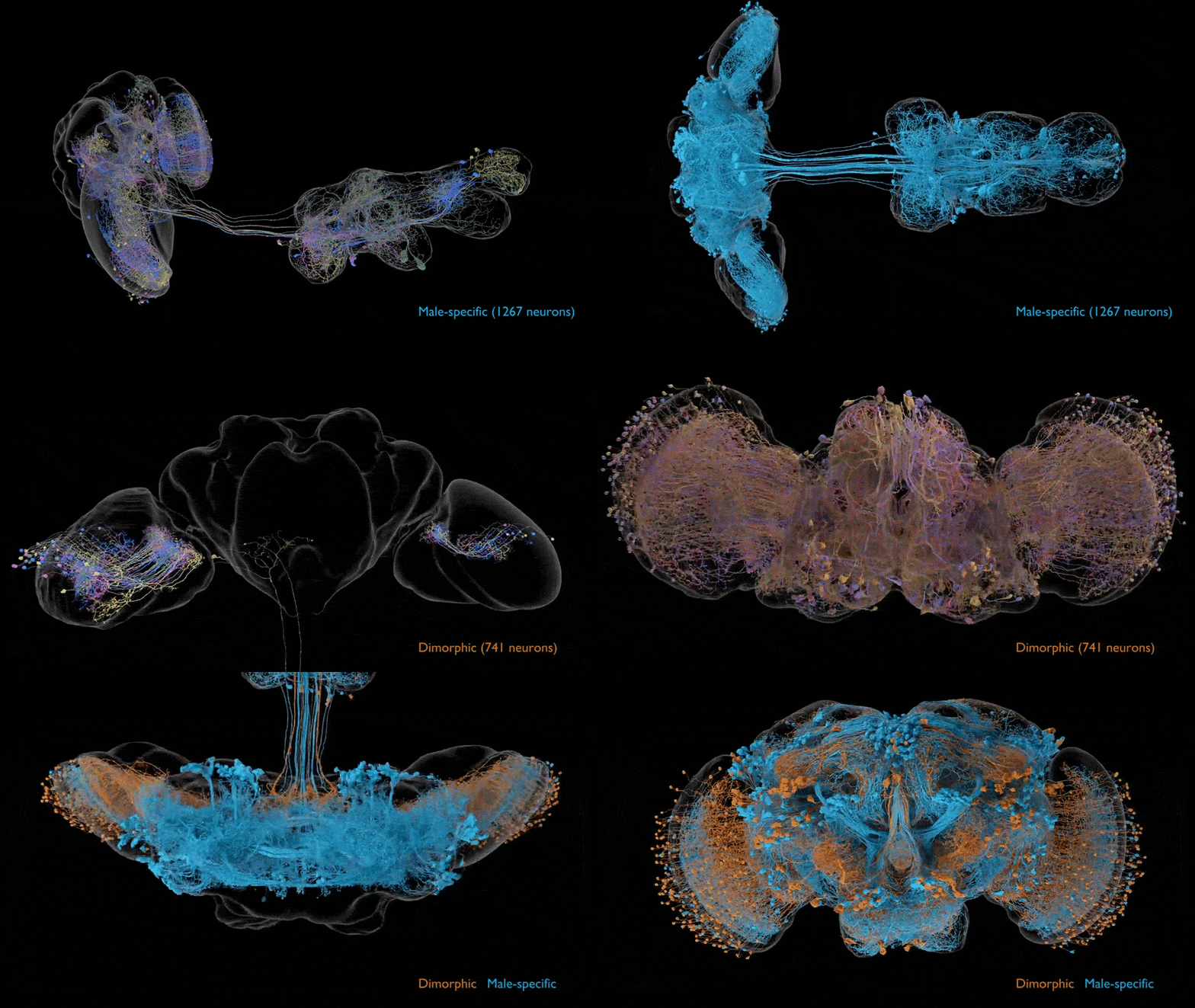
The work also includes two additional papers. One examines visual processing circuits, while the other analyzes sex-specific brain networks. The visual circuits study reveals that processing visual information incorporates a wide variety of neuron types, which could have far-reaching implications beyond the fruit fly itself. Interestingly, the analysis of sex-specific networks highlights unique neuron arrangements in males associated with distinctive courtship behaviors. This could lead to a deeper understanding of how evolutionary pressures shape neural development across species.
Interestingly, despite the existence of tailored circuits for each sex, most sensory and movement circuits between males and females reveal more similarities than differences. Some pathways adjust based on the sex, which suggests that the basis of behavioral differences may lie more in how similar neurological systems are utilized rather than in their fundamental structures. This nuanced finding will be a focal point for future studies aiming to uncover the implications of these neuronal switches.
Implications for Neurobiology and Beyond
Such insights contribute significantly to our understanding not just of the fruit fly brain, but the broader implications for vertebrate neurobiology. Understanding how simple neural systems operate can offer valuable lessons for the complex human brain. Research in this domain holds the potential to illuminate pathways to treating neurological disorders or designing better brain-computer interfaces.
For the field of neurobiology, this mapping initiative is more than an academic exercise; it's a step closer to answering essential questions about behavior, evolution, and the computational aspects of brain function.
Discussion
Sign in to join the discussion.