Researchers have uncovered a significant ancient volcano in eastern England, yet the term "supervolcano" remains contentious due to lack of definitive evidence.
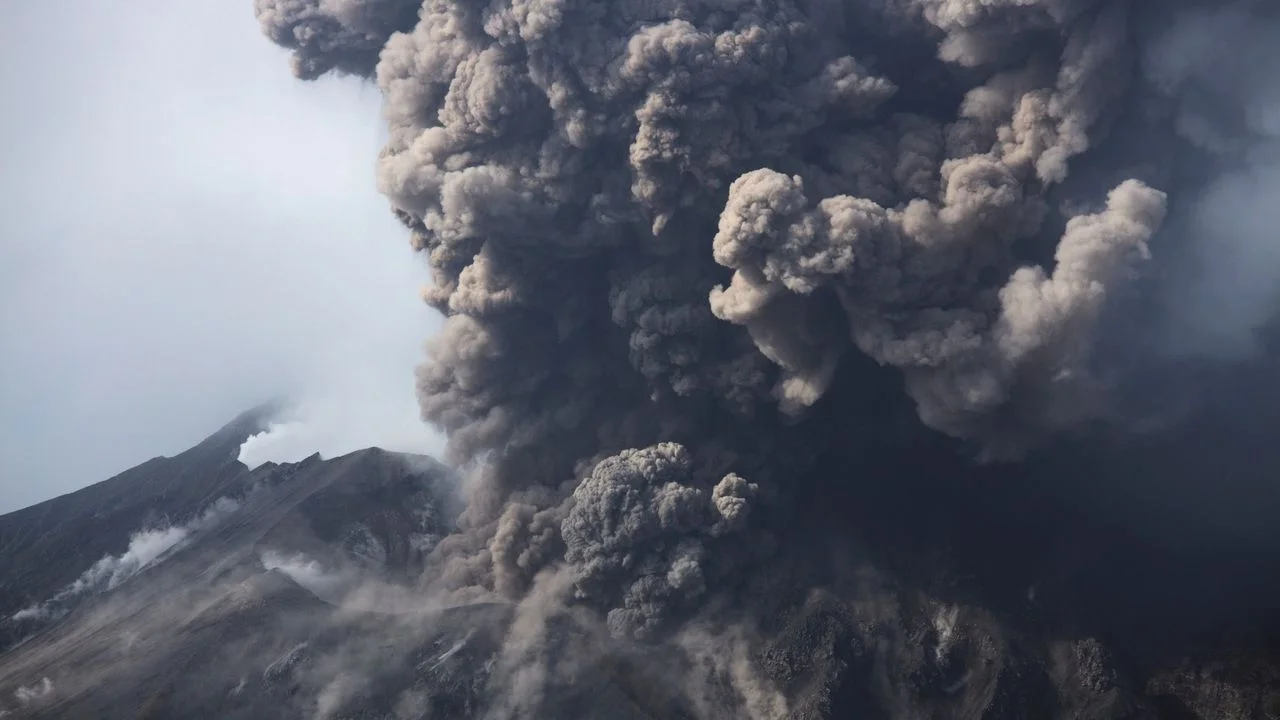
Recent geological research has exposed a substantial ancient volcanic structure hidden beneath eastern England, specifically across Norfolk and Lincolnshire. This discovery isn't merely academic. It raises questions about the region's geological history and the volcanic activity that has not only shaped the land but also possibly affected climate patterns during the past. However, this volcano has undergone extensive erosion, making it a challenge for scientists to fully reconstruct its size and eruption history, which spans over millions of years. As layers of rock eroded away, the evidence of its explosive past became more difficult to discern, illustrating the complexities involved in studying ancient geological formations.
Understanding the Challenges of Classification
While evidence suggests at least one significant volcanic eruption occurred, some experts argue there isn't sufficient data to classify it as a supervolcano. Michael Poland, a geophysicist with the U.S. Geological Survey, expressed skepticism, emphasizing the difficulties in quantifying eruption volumes given the state of the geological record. The classification of volcanic eruptions is a nuanced discussion, and experts like Poland remind us that semantics matter. "The term 'supervolcano' lacks precision," he remarked in a recent communication, highlighting a concern that many scientists share.
Scientific Approach and Findings
A study published on April 29 in the Geological Society of America Bulletin utilized zircon crystals collected from boreholes 40 miles apart. These tiny crystals, formed in molten magma before an eruption, contain uranium that decays into lead isotopes, allowing for accurate dating of volcanic events. This method is sophisticated and offers reliable insight into the timing and scale of volcanic activity. Findings indicate that the zircon from this ancient volcano correlates with ash layers found across Scandinavia, linking it to an eruption that would have sent ash plumes soaring over the Tornquist Sea during the Ordovician period, approximately 488.3 to 443.7 million years ago. Such connections underline the far-reaching consequences of volcanic events, demonstrating how ancient eruptions could influence climate and ecology over vast distances.
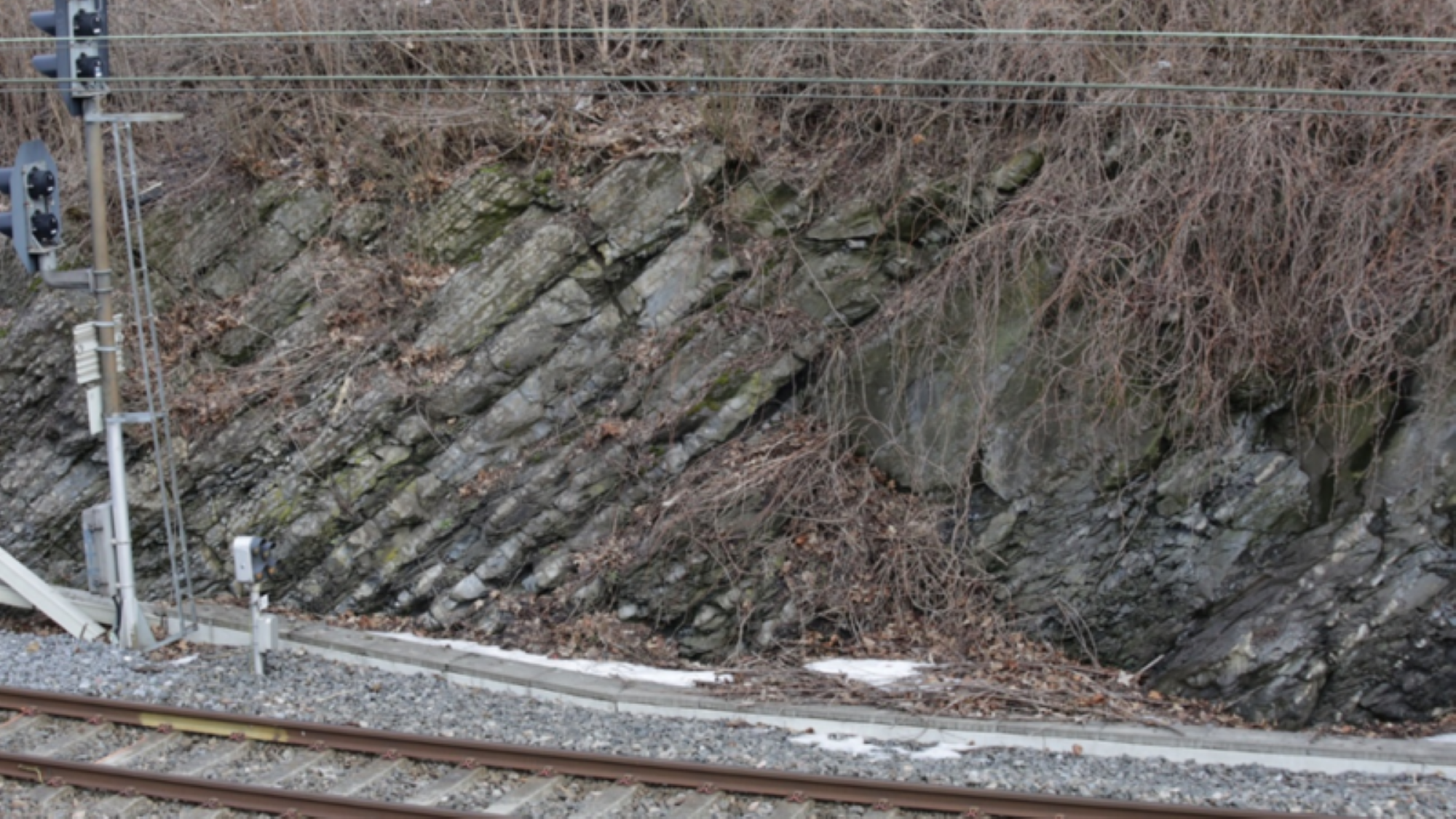
The research illuminates the scale of the eruption believed to have produced the Kinnekulle tephra, shedding light on past volcanic events and their impacts. Pyroclastic flows from such eruptions can be extremely destructive. Peter Rowley, a volcanologist at the University of Bristol, likened the potential force of this ancient explosion to thousands of atomic bombs. But is comparing a volcanic eruption to atomic bombs the best benchmark? It may trigger fear, but it also serves to illustrate just how significant volcanic eruptions have been throughout Earth's history. He noted that the last known eruption of similar magnitude occurred over 26,000 years ago in New Zealand, reminding us of the long timeline of volcanic activity.
Despite the dramatic size of the eruptions, the scientific community seems divided over how to classify them, which complicates public understanding. An ultraplinian eruption, which refers to exceptionally large explosions ejecting over 240 cubic miles of material, might be a more fitting description than "supervolcano." Such eruptions likely produced towering ash clouds that reached high into the stratosphere, lasting days to weeks. The hesitation to adopt the term "supervolcano" reflects a broader trend in scientific circles: a desire for precision that can sometimes act as a barrier to engaging the public.
Traditionally Reserved Vocabulary
Geologists often avoid the term "supervolcano," as it can lead to confusion among non-experts. They prefer to refer to eruptions based on the volume of ejected materials. Stephen Self from the University of California, Berkeley, pointed out that the term has become somewhat of a buzzword, lacking specificity regarding actual volcanic activity. The challenge lies in communicating findings effectively. For example, many in the public may be more familiar with the term "supervolcano," but it doesn't convey the scientific nuances that experts grapple with.
Unfortunately, most material from this ancient eruption is likely lost to erosion or burial. Rowley highlighted the difficulties in reconstructing these older volcanic histories due to gaps in the geological record. "It can be complicated to interpret volumes for ancient volcanoes," he explained. This statement captures the frustration many geologists feel when trying to piece together Earth's volcanic narrative from incomplete records. The reality is, geology is less of a detective story and more of a puzzle with missing pieces, leaving gaps that can lead to misinterpretation or overinterpretation.
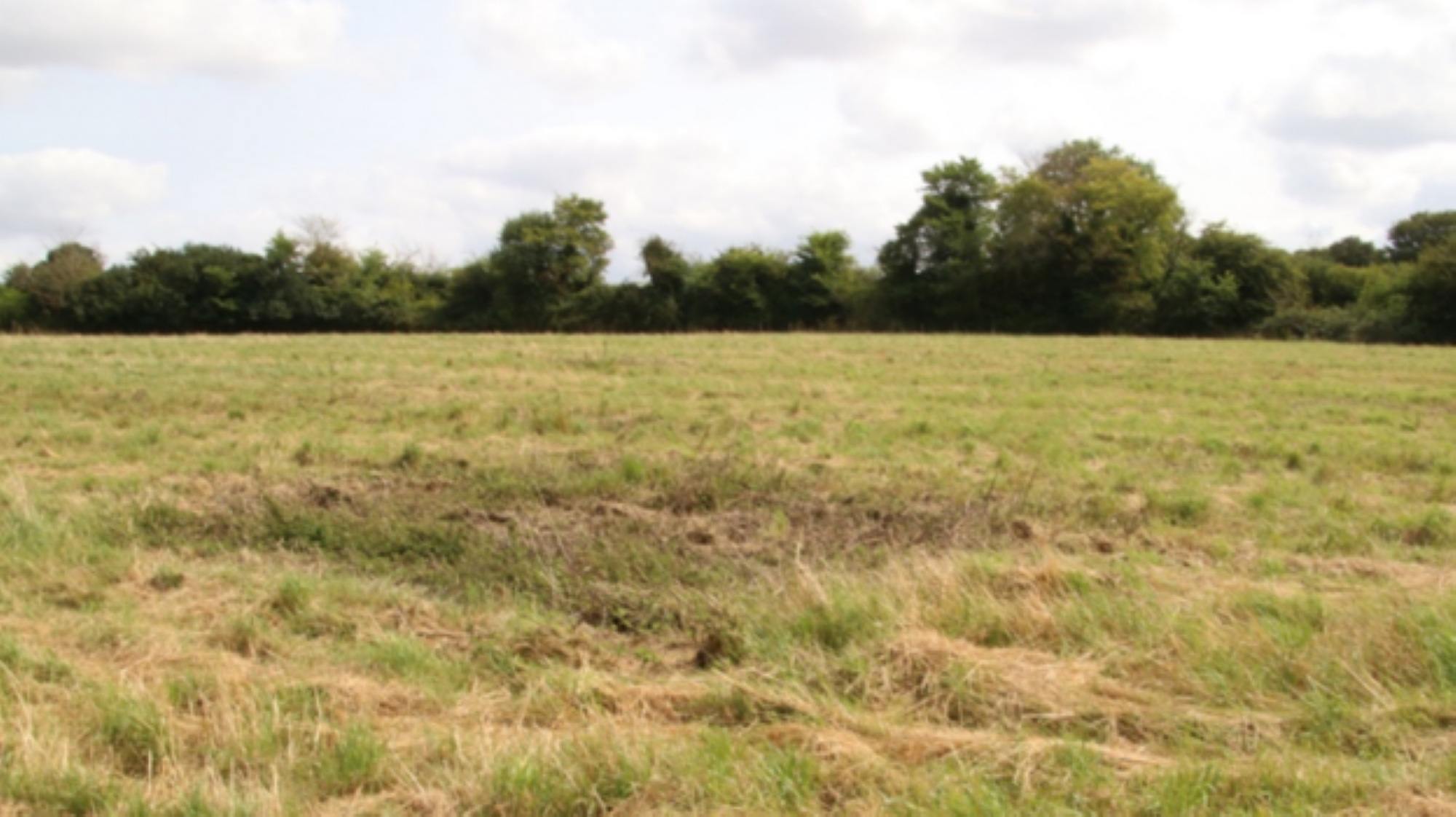
Additionally, the study uncovered evidence for a prior eruption dating back 453.7 million years; however, no surface indicators remain today, as these sites are situated in some of England's flattest terrains. Tim Pharaoh, the study's lead author from the British Geological Survey, acknowledged the challenges involved in uncovering these ancient geological stories. They are not just relics of a bygone era; these eruptions have contributed to the conditions of our current geological environment. The hidden dynamics of England's volcanic past may shed light on how ecosystems have evolved and how they might react to future geological changes.
Bigger Picture: Ancient Volcanism in Context
Notably, ancient volcanic activity in England isn't isolated to this site. It is part of a broader volcanic system that includes regions like Eryri National Park in Wales and the Lake District, which were active around 450 million years ago. Rowley advised against envisioning fully preserved volcanoes, suggesting it's more accurate to view these remnants as deposits from past eruptions or signs of magma reservoirs that have undergone significant tectonic alterations over time. This perspective is valuable. It allows us to see these formations not just as static structures but as dynamic parts of Earth's history that have influenced geography, ecosystems, and even human survival.
Looking Ahead: What This Means for Geology
The findings from this research signal an important narrative about the need to understand our past to better prepare for the future. If you’re working in this space, consider how the history etched in our geological structures can inform everything from natural disaster preparedness to climate research. As we face the consequent pressures of climate change, these insights may be more relevant than ever. Understanding ancient volcanic behavior can guide predictions for future eruptions, potentially saving lives and altering regional strategies. What’s clear is that every rock has a story, and in this case, it seems the ancient volcano beneath eastern England may have a lot more to tell.
Discussion
Sign in to join the discussion.