China's solar capacity has overtaken coal for the first time, signaling significant potential for reducing global greenhouse gas emissions.
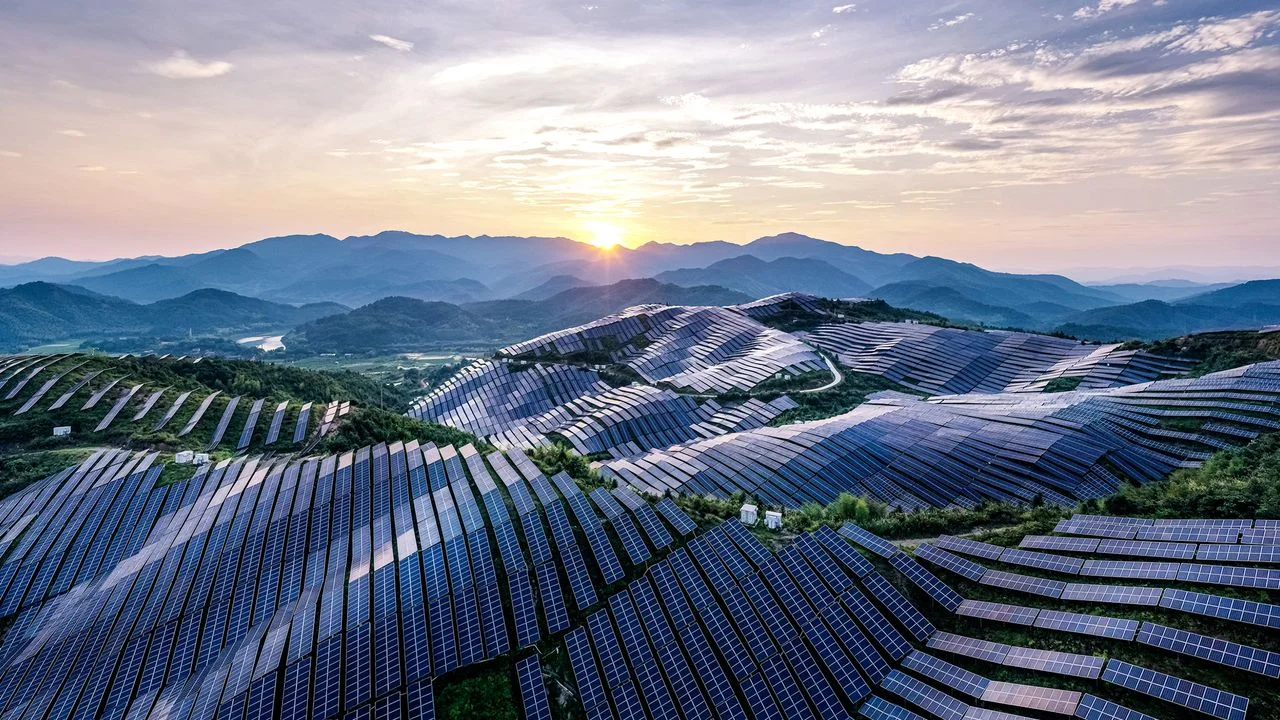
China's Solar Power Milestone
China's recent achievement of surpassing coal in solar power capacity marks a pivotal moment in its shift towards renewable energy. As of the end of July, the country reported approximately 1,288 gigawatts (GW) of solar capacity, slightly exceeding the 1,285 GW of coal-fired capacity, according to China’s energy administration. This statistic isn't just a number; it represents a significant transformation in a country that has long been synonymous with coal consumption and pollution.
The Global Context of Emissions
This milestone is particularly notable given China's status as the largest emitter of greenhouse gases globally, contributing around 30% to worldwide emissions. As commendable as China's solar expansion is, it's set against a backdrop of persistent carbon output. The potential for China's renewable energy growth to significantly reduce reliance on coal could have far-reaching impacts beyond its borders, potentially shaping global climate strategies. If global leaders were to take cues from China, this could initiate shifts in policy worldwide, focusing on renewable resources rather than fossil fuels.
Capacity vs. Generation
“Reaching 1,288 GW of installed solar capacity is indeed significant,” remarked Matthew Davies, UNESCO chair in sustainable energy technologies at Swansea University. However, he cautions that capacity alone doesn't translate to actual power generation. “Solar can only generate energy when it’s sunny, while coal plants can operate for extended periods,” he added. This distinction is critical. Despite having more solar capacity, coal still plays a dominant role in electricity supply across the nation. If you're working in this space, the lesson here is clear: installed capacity is just the beginning; actual energy production is what matters for meeting demand.
Growth of Solar Output
Over the first seven months of this year, solar output in China increased by 15.5% compared to the same period in 2022, reaching 802.4 terawatt-hours (TWh) — about 13% of the country's total electricity consumption. While this indicates strong growth in solar power generation, it highlights the ongoing significance of coal in the country’s energy mix. The figures can be misleading if taken at face value. A growth rate of over 15% sounds impressive, yet, in practical terms, coal still fulfills a greater share. This discrepancy points to a lingering dependence on fossil fuels that will take more than just increased solar capacity to unwind.
The Transition Challenge
This transition appears to be a turning point in China’s energy profile, though not necessarily one where solar has outstripped coal in practical terms. The challenge now lies in whether renewable energy production can accelerate enough to fulfill rising demand while also reducing coal generation. Given the vastness of China's energy infrastructure, which consists of thousands of coal plants, decreasing coal dependency has the potential to substantially lower global CO₂ emissions. However, the road to this transition is riddled with complexities, not least of which involves public policy and investment in infrastructure that can support a diverse energy mix.
Integrating Renewable Energy
Importantly, integrating this surge in solar energy into the grid represents a vital challenge. "Building solar farms is just one piece of the puzzle; grids, transmission systems, and storage capabilities also need development to harness renewable electricity effectively," Davies explained. This is where reality often sets in. Solar farms might pop up quickly, but upgrading the existing grid to manage new, decentralized energy sources often takes significant time and investment. The energy transition isn't just about production; it's also about how we can effectively distribute that power across a national grid that was designed with coal in mind.
Global Manufacturing Implications
Furthermore, the implications for global solar panel manufacturing are significant, with China's capacity likely to reduce the worldwide costs of solar technology. However, Davies emphasizes the need for a comprehensive examination of the sustainability of the entire production chain. This includes everything from raw material extraction to the recycling of solar panels. It's easy to get caught up in the excitement of capacity growth, but assessing where these technologies are produced and the longevity and recyclability of materials involved can lead to more responsible energy solutions.
Local Manufacturing and Supply Chains
Moreover, there's a compelling case for enhancing local and regional manufacturing capabilities. Such efforts could strengthen supply chains and stimulate economic growth while fostering a more resilient energy transition. Expanding access to clean energy in areas lacking reliable electricity remains a critical component of the global energy transition. This is more significant than it looks; a thriving clean energy market is not just good for China but could set a precedent for other countries grappling with energy poverty.
The Bigger Picture: A Clean Energy Future
As Davies aptly put it, "Transitioning to clean energy isn't solely about replacing fossil fuels; it also involves providing access to affordable, clean power to those who still lack it." Success will depend not just on increasing solar capacity but on creating a sustainable, resilient, and equitable clean energy system that meets the needs of communities worldwide. The challenge lies in ensuring this transition doesn't leave anyone behind.
Looking Ahead
What this means for you is that the transition pathways we craft today will influence not only national energy policies but global dialogues on climate change. The imperative to shift from coal to renewable energy will be crucial, particularly in mitigating future crisis scenarios. However, just as significant will be our ability to adapt this technology for practical use, ensuring that it reaches those who need it most. The next few years will be critical as nations race against time to meet their climate goals.
Discussion
Sign in to join the discussion.