A 1,600-year-old skeleton discovered in Bulgaria reveals the desperate measures taken by individuals during an attack in ancient times.
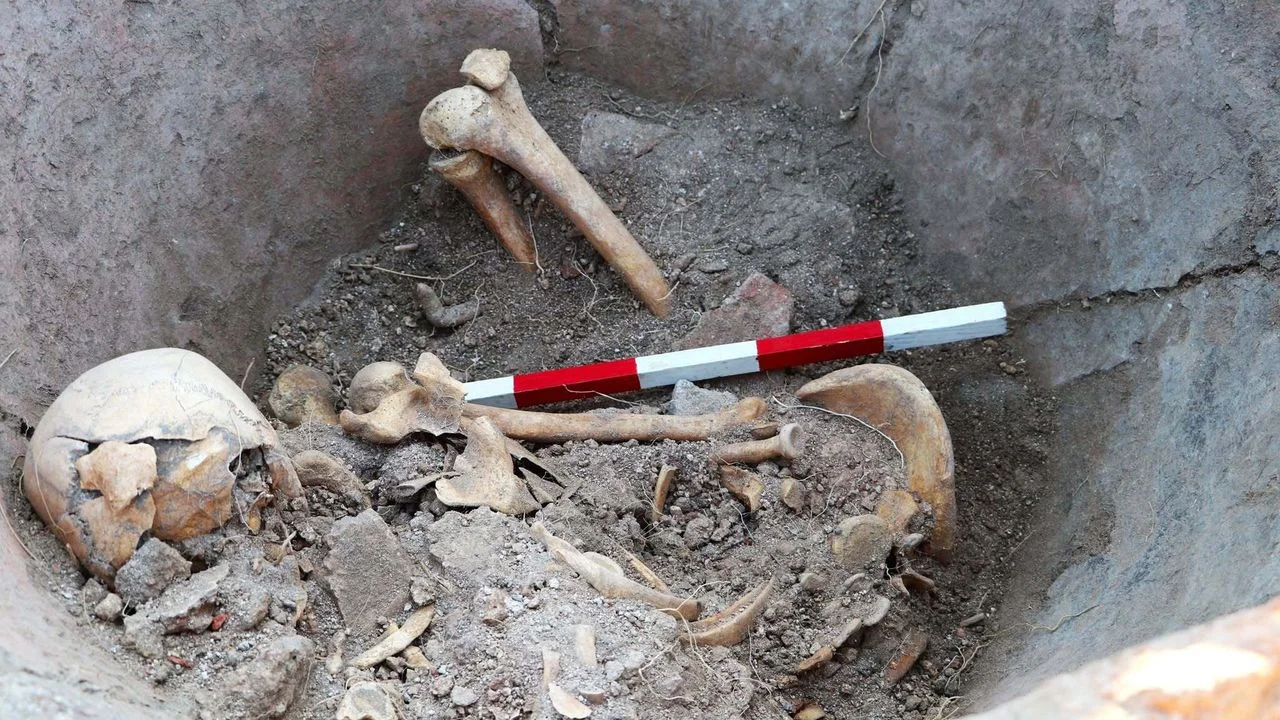
In a striking archaeological find, a human skeleton has been uncovered inside a sizable Roman jar in Bulgaria. This individual appears to have taken refuge in the vessel amidst chaos, likely succumbing to a fire during an enemy assault over 1,600 years ago.
Discovery and Context
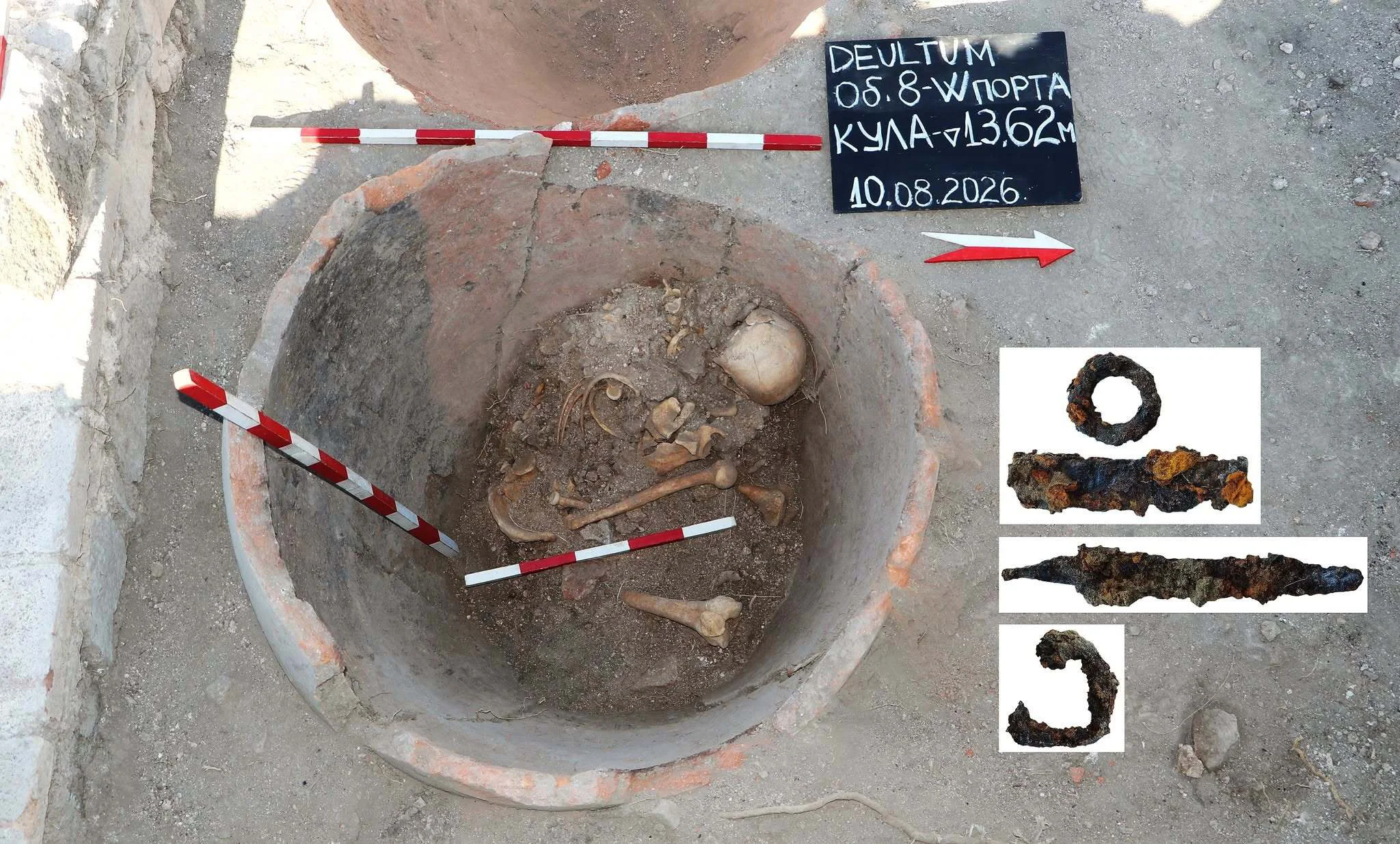
The project team unearthed the jar on August 10, 2023, within the Late Roman turret of the ancient colony of Deultum. This site has long been associated with the upheaval of the late Roman Empire, facing threats from East Germanic tribes and the Huns during the fourth and fifth centuries. In particular, Deultum served as a strategic point due to its proximity to trade routes, making it a prime target for invaders. The specific battle that led to this tragic fate remains unknown, but the region's history is fraught with conflict. Lead excavator Lyudmil Vagalinski from the Bulgarian Academy of Sciences remarked on the historical tumult surrounding the site, emphasizing how this find could paint a dramatically different picture of daily life in ancient times.
Analysis of the Jar and Artifacts
The dolium, as this type of jar is known, was designed for storing bulk goods such as olive oil and wine. Notably large, the largest examples can hold more than 260 gallons, which speaks to the storage needs of populous Roman towns. The jar in question measures about 3 feet in diameter, making it large enough to provide shelter, albeit in a desperate situation. Alongside the skeletal remains, the discovery of two iron knives and a belt further illustrates the last attempts at defense by the deceased. One can already envision the frantic scene as chaos erupted around him.
Vagalinski highlighted that finding human remains in urban settings from antiquity is uncommon unless a disaster occurs, such as an attack or an earthquake. Victims are often buried outside urban perimeters, which reinforces the extraordinary nature of this find. Not only does it provide insights into the events of that fateful day, but it also prompts questions about how such encounters with death were handled in a society that held strong rituals around burial. The site revealed a wealth of burned material, including ashes, coals, and charred building materials. Such details support the theory that a fire claimed the lives of those present and contribute to a narrative often overlooked in the grand stories of insurgent battles.
The Circumstances of Death
The archaeologists believe that, upon realizing an imminent attack, civilians may have hurriedly moved livestock into the fortress, resulting in chaotic scenes. The young man, thought to be hiding from flames and danger, took refuge inside the dolium with a knife in hand. Importantly, evidence suggests he entered the jar after the fire had already begun to spread, leaving questions about his state of mind. Was he attempting to protect himself, or had he lost all hope? The psychological impact of such situations must have been overwhelming for those caught in the turmoil.
Future Research Plans
Preliminary estimates place the event around A.D. 400, though further analysis will refine this timeline. Vagalinski emphasized the man’s lack of movement indicated a state of paralysis or incapacitation induced by shock—he remained inside the dolium as catastrophe unfolded above. This notion of being frozen in fear strikes at the heart of human experience during war and conflict, illuminating aspects of survival that are often glossed over in historical narratives.
Excavation work continues, and the skeletal remains have been transported to Sofia for further anthropological analysis. The team plans to return next summer to excavate more of Deultum's western Late Roman gate, which dates back to roughly A.D. 300. Previous discoveries near the gate, including a latrina from the second to third centuries, add further layers to Deultum’s complex archaeological narrative. As the team delves deeper into their findings, it will undoubtedly contribute wider insights into ancient life during a period of intense conflict and turnover in Europe.
Significance and Implications
This discovery is more than just an archaeological find; it raises profound questions about the relationship between humans and the chaos of war. If you're working in this space, you might consider what the implications are for our understanding of community dynamics in ancient societies. The tragic final moments of this young man, hidden away in a jar, evoke a visceral emotional response. It's a reminder that each artifact carries with it the weight of lives lived and lost.
Such discoveries challenge the traditional narratives often portrayed in history books, which might emphasize battles and political strife over the human cost of these events. As the research team continues to excavate, we may gain further insights that flesh out the lived experiences of those left behind. Breaking down the walls of historical abstraction is essential for understanding how societies not only survived but thrived amid adversity.
Explore the leadership of ancient Rome: Take our Roman emperor quiz!
Discussion
Sign in to join the discussion.