Cats lick one another for diverse reasons, blending social bonding and hygiene efforts, with nuances that reflect their complex interactions.
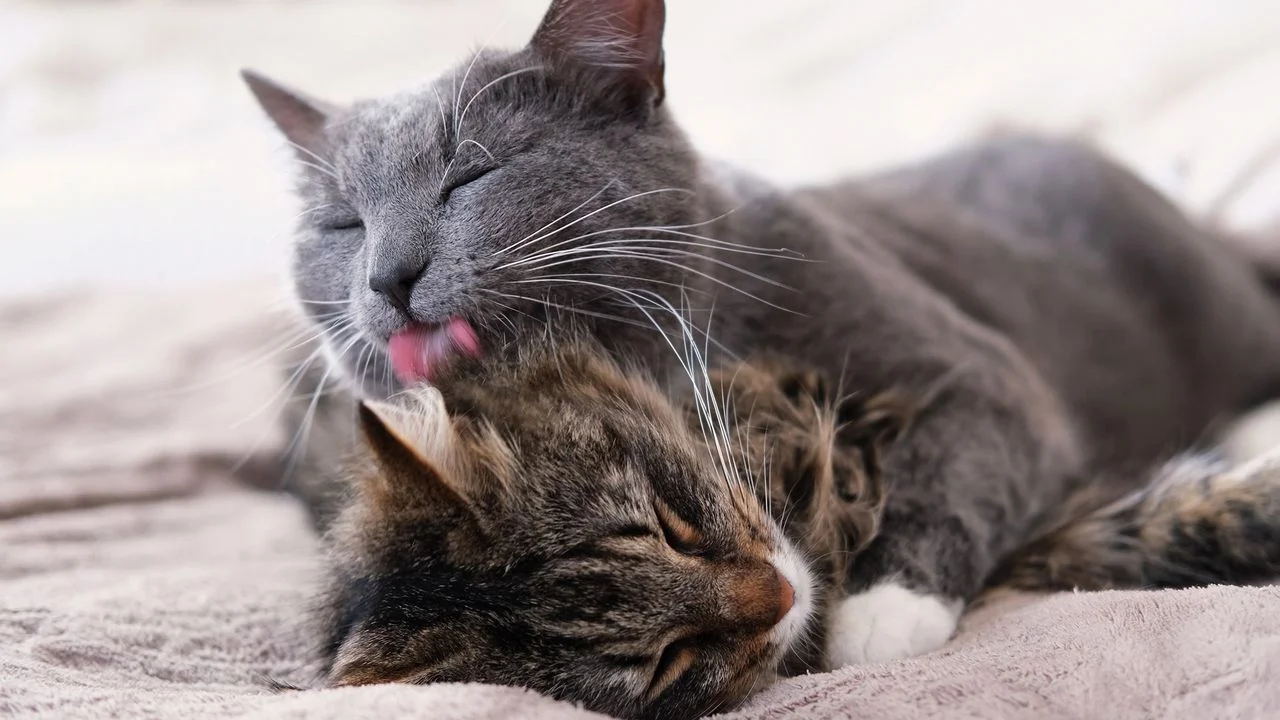
In homes with multiple cats, witnessing one feline licking another often raises eyebrows and interpretations. It's typically viewed as a gesture of affection or bonding. However, recent studies suggest that the underlying motivations for this behavior, known as allogrooming, are more intricate than mere friendliness. The complexities behind why cats groom each other and the implications for their social structures present a fascinating area of inquiry that merits closer examination.
Exploring Social Dynamics
The traditional perspective derived from observing feral cat colonies posits that allogrooming fosters social bonds and cements relationships within feline groups. This bonding is often seen as essential to forming a cohesive social unit, as it allows cats to share scents and reinforce their connections. In environments where survival is contingent upon social cohesion, nurturing relationships can mean the difference between success and failure. Yet, this view isn't as straightforward as it appears.
A landmark 1998 study challenged this notion, showing that about 35% of allogrooming interactions involved aggressive behaviors. This surprising finding pointed to an underlying complexity: allogrooming might instead function as a means of conflict management in tight quarters, where the risks of confrontation loom large. In fact, one could argue that interpreting allogrooming solely as an act of affection dismisses an important facet of cat social behavior.
To further investigate this, Morgane Van Belle and her team at Ghent University meticulously analyzed videos from 53 households of two cats each. Their findings revealed that the function of allogrooming varies significantly depending on context. Instances of grooming often coincided with cats huddled together and matching postures, likely solidifying their social bonds under specific circumstances. This suggests cats aren't just engaging in random acts of affection; they're strategizing their social lives in real-time.
Interestingly, most licking directed towards the ears carries deeper significance. Not only does this behavior seem to have calming effects, but the skin in that area is densely packed with sensory receptors. Similar sensory behaviors in other species support the idea that tactile interactions, like allogrooming, can provide physiological benefits such as reduced stress levels. Think about it: during high-stress situations, a simple act like grooming could set off a cascade of calming reactions.
Play or Tension?
The study also noticed playful wrestling following some allogrooming sessions, indicating that such interactions might serve as an invitation for play. This adds yet another layer to our understanding of cat interactions — what can seem like mere playfulness may actually be rooted in more complex social scheming. Yet, not all grooming scenarios unfold with camaraderie; some led to noticeable signs of conflict, like pinned-back ears and evasive actions. In these tense moments, one cat often exhibited dominant body language over the other, suggesting a shifting power dynamic that demands attention.
Van Belle's team proposes that allogrooming might act as an "appeasement signal" during potentially contentious moments, helping to diffuse tensions. This behavior mirrors submissive signals seen in other social animals, such as meerkats, where a sense of hierarchy plays a critical role. However, their findings suggest that this behavior could also carry a subtle threat, especially when grooming focuses on areas typically targeted during fights. If you’re working in this space or consider how your cats interact, this nuanced balance of aggression and appeasement could reshape how you manage and interpret their social lives.
Hygiene Considerations
Beyond social interaction, there are hygienic aspects to allogrooming that shouldn't be overlooked. The behavior frequently targets the head and neck — regions difficult for cats to groom meaningfully on their own. While there is documented evidence of allogrooming impacting hygiene in various species, including primates and ants, further research is essential to understand its impact in cats fully. The absence of conclusive evidence in Van Belle’s study regarding whether allogrooming effectively reduces parasites or improves skin health among the subjects represents a gap worth addressing in future inquiries.
Veterinary behaviorist Dr. Terry Curtis has extensively investigated allogrooming frequency, supporting the notion that feline grooming may feature hygiene benefits. In fact, she speculates that this behavior might manifest differently in feral versus domestic cats, particularly due to the common flea exposure of outdoor cats. This raises the question: Do domestic cats engage in different grooming behaviors as a response to varying environmental pressures?
The Ongoing Inquiry
While Van Belle's insights are compelling, they're not the final word on this matter. Factors influencing cat behavior are multifaceted, making it challenging to pin down definitive reasons behind allogrooming. Dr. Curtis encapsulates the complexity succinctly: even after decades of studying feline behavior, many questions remain unanswered. “Congratulations, you got a cat,” she remarks, “let the mystery begin.” The playful, yet uncertain, tone hints at the layers still to unfold in our understanding of feline social interactions.
The ongoing inquiry into cat behavior and allogrooming has implications for pet owners, animal behaviorists, and anyone intrigued by the complexities of animal interactions. Engaging with our cat quiz! could be a fun way to deepen your understanding while contemplating the subtle nuances of these fascinating creatures.
Future Outlook: Implications for Cat Ownership
The questions raised about allogrooming go beyond mere curiosity; they challenge pet owners to reflect on their own cats' behaviors. Understanding that these interactions could embody both tension and affection can lead to more informed pet management decisions. If you're attentive to these dynamics, you might notice patterns that inform how you introduce new cats into your household or improve existing relationships among your pets. What we choose to interpret as straightforward affection might actually hide complexity that speaks to the emotional intelligence of these animals.
As research in this field continues, we can hope for clearer insights that expand our understanding of feline social structures. With further studies examining the varying contexts of allogrooming, we may one day unlock the deeper meanings behind these seemingly simple behaviors, enriching our relationships with our feline companions.
Discussion
Sign in to join the discussion.