New research indicates T. rex maintained a body temperature similar to humans, suggesting a more active lifestyle compared to modern reptiles.
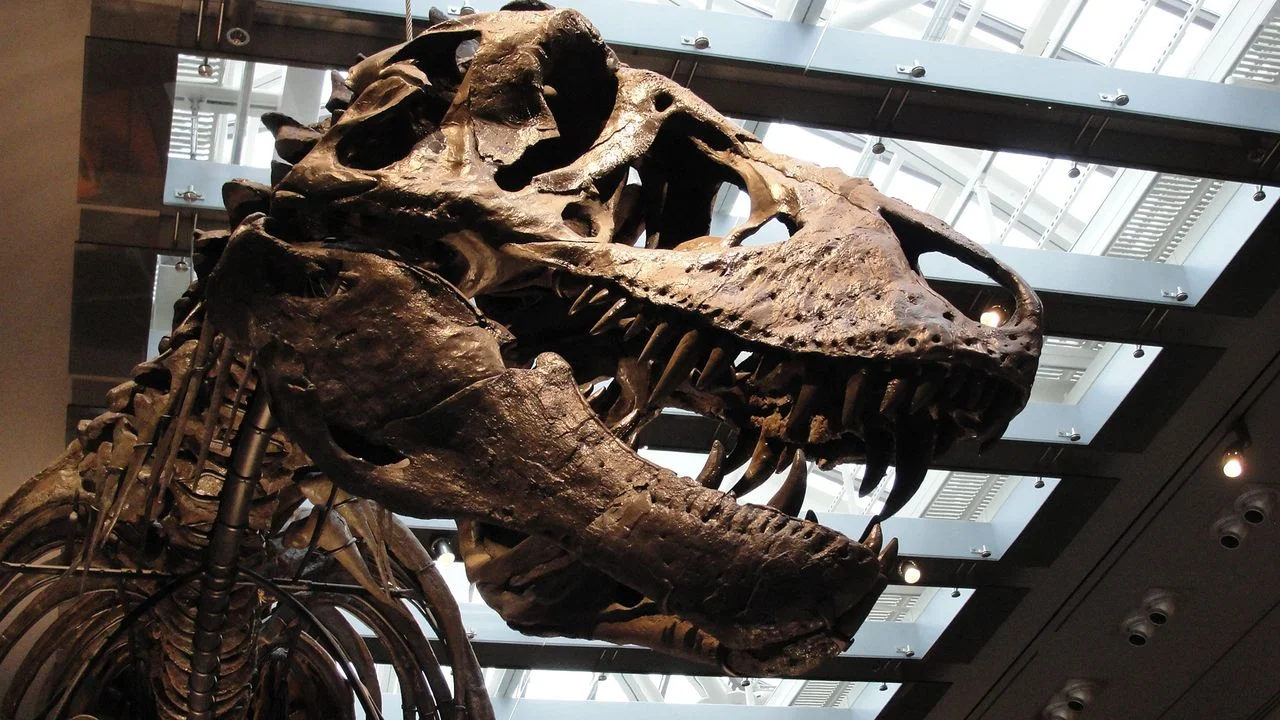
T. rex's Metabolic Heat
Recent analysis of Tyrannosaurus rex fossils has unveiled that this iconic apex predator maintained a body temperature remarkably similar to humans, around 97.3 degrees Fahrenheit (36.3 degrees Celsius). This finding not only fascinates paleontologists but also supports evolving theories that posit T. rex as a highly active creature. Unlike contemporary reptiles, which primarily rely on the environment to regulate their body heat, this cold-blooded animal may have had metabolic adaptations resembling those of modern birds and mammals.
Methodology and Findings
The study employed a sophisticated method to analyze isotopes found in the enamel of three T. rex teeth excavated from the storied Hell Creek Formation in Montana. By examining the bonding patterns between rare carbon and oxygen isotopes, researchers successfully established a baseline for estimating the dinosaur's body temperature. As temperatures rise, the number of these isotopic bonds diminishes. This indicates that warm-blooded species like T. rex would display fewer such bonds compared to cold-blooded animals.
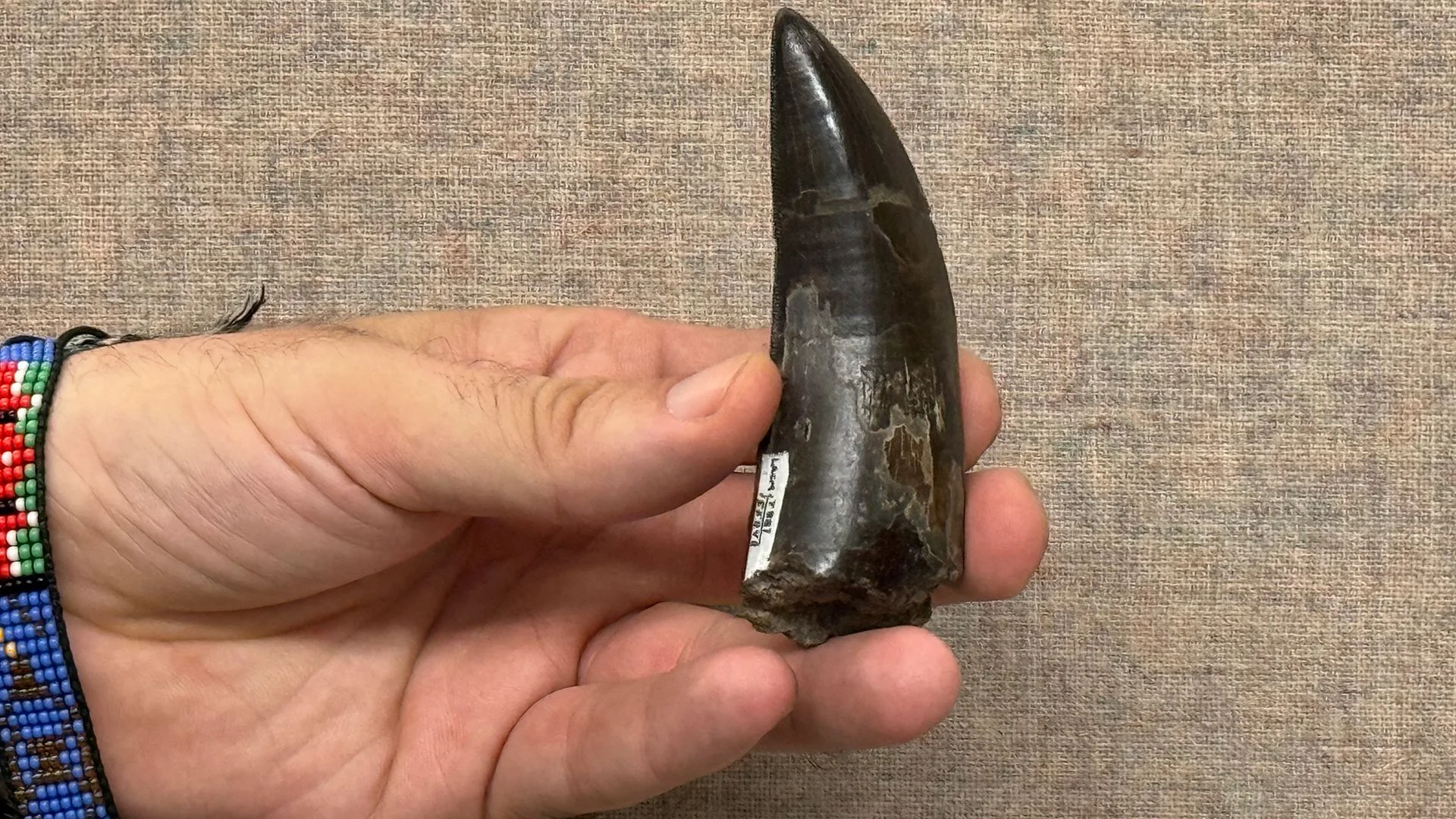
This isotopic analysis not only provides insights into the physiology of T. rex but also raises compelling questions about the ecological role of these dinosaurs. Richard McLoughlin, a biologist specializing in extinct species, mentioned how this technique could be applied to other dinosaur fossils, enriching our understanding of their metabolic rates and lifestyles. Translating these findings into broader contextual understanding could reshape how we interpret behavior and survival strategies in these ancient creatures.
Implications for T. rex's Lifestyle
The implications of these findings suggest a significantly more active lifestyle for T. rex than previously assumed. Co-author Robert Eagle from UCLA points out that a body temperature like this is substantially higher than cold-blooded animals, which typically hover around 82-86 degrees Fahrenheit (28-30 degrees Celsius). Birds, which share a lineage with T. rex, boast even higher body temperatures, between 104-109 degrees Fahrenheit (40-43 degrees Celsius). This supports the notion that T. rex, much like birds today, had the energy necessary for vigorous hunting and scavenging activities.
Such metabolic warmth could illustrate not just hunting strategies but also an ability to thrive across various climates during the Cretaceous period—a time that was approximately 11-25 degrees Fahrenheit (6-14 degrees Celsius) warmer than the current climate. The idea that these colossal predators were active rather than lethargic shifts the narrative about their predatory role in prehistoric ecosystems.
It's a significant reevaluation. What does this mean for the depiction of T. rex in popular culture? For years, movies and documentaries showcased them as lumbering giants. This new understanding challenges that portrayal. (And this is the part most people overlook.) T. rex could've been more of a vigilant hunter, dynamically interacting with its environment.
The Geographic Range of T. rex
A particularly striking aspect of this research is the indication that T. rex remains have been discovered as far north as Alaska, shedding light on the species' adaptability. Cold-blooded reptiles typically struggle in harsher climates due to their reliance on external heat sources. However, a warm-blooded T. rex could reasonably exploit broader territories, including cooler regions that other dinosaurs found inhospitable. This adaptability not only challenges prior notions of dinosaur habitats but also allows for a more nuanced understanding of their ecological strategies.
Moreover, the notion that some tyrannosaurs may have traversed the Bering Land Bridge between Asia and North America parallels discussions about migration patterns in other species throughout history. This expands our understanding of geographical distribution and evolutionary migration, which, in the case of T. rex, opens new dialogues about how climate systems might have influenced their dispersal.
Future Outlook
The research published in Science Advances advances our comprehension of T. rex physiology and lifestyle, revealing a more intricately woven ecological role for these ancient titans. As methodologies improve and isotopic analysis becomes more refined, we may uncover even further complexities in the biology of not just T. rex but other dinosaurs as well. The pivotal question that lingers is: What else are we missing?
Investigating the physiology and behavior of T. rex is an ongoing journey. With each new study, we peel back layers of misunderstanding, offering fresh perspectives on these majestic creatures. As researchers dig deeper into paleontology, the narrative of this dinosaur’s life continues to morph, and with it, our interpretations of the Mesozoic era and its inhabitants will inevitably change.
Discussion
Sign in to join the discussion.