New imaging techniques reveal the long-lost writings of ancient philosophers from carbonized scrolls buried by Mount Vesuvius.
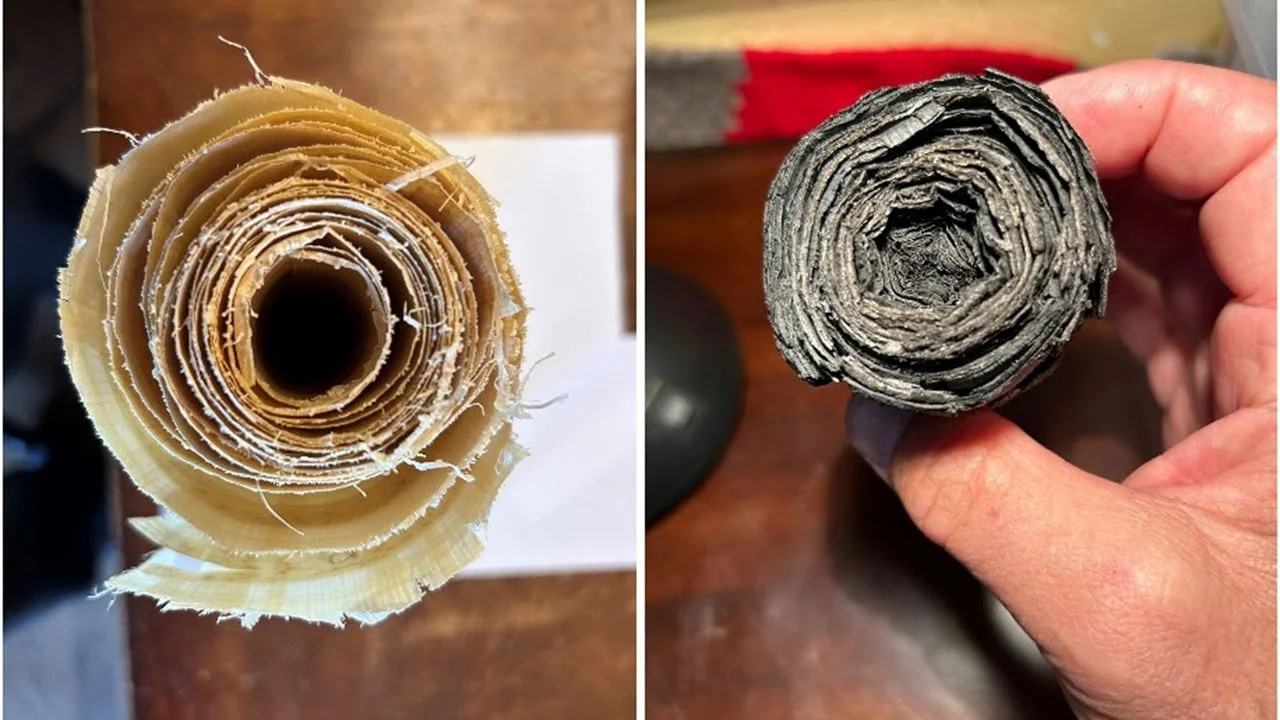
After nearly two millennia, the thoughts of ancient thinkers may be unveiled, thanks to recent research focused on the lead-based ink used in scrolls buried by the catastrophic eruption of Mount Vesuvius. This new study explores enhanced methods of deciphering the nearly 2,000 carbonized papyrus scrolls discovered at a villa in Herculaneum in the 18th century. The implications of this work extend far beyond mere academic curiosity—they could reshape how we understand ancient thought and culture.
Unveiling the Past
In previous years, researchers managed to digitally open some of the scrolls, revealing long-lost works of Epicurean and Stoic philosophies, which included profound insights attributed to Plato. However, one major obstacle persisted: distinguishing between the carbonized papyrus and the ink itself, given both are carbon-based. The revelation that some scrolls were inscribed with lead ink allows for a more nuanced approach to investigations, significantly improving archaeologists' ability to read these fragile texts.
The latest research emphasizes scanning scrolls for leaded ink before applying advanced deciphering techniques. This dual method enhances text detection while minimizing potential damage to these ancient artifacts during examination. For scholars of ancient philosophy, this could mean a treasure trove of previously inaccessible ideas and thoughts could come to light. The nuances of human experience captured in these writings may help fill gaps in our understanding of historical contexts and philosophies, redefining aspects of Western thought.
In a field that often grapples with incomplete narratives, the ability to extract such insights is critical. Douglas Seiler, a research affiliate at UC Berkeley and co-author of the study, says, “It’s fascinating how electrons can be manipulated to reveal the past.” While this may seem technical, it’s quite profound. The ability to read these scrolls could enhance our understanding of philosophical teachings and how they influenced generations.
Advancements in Archaeological Technology
The technology employed in this study is just as intriguing as the findings themselves. When Vesuvius erupted in 79 AD, it left Herculaneum submerged beneath an avalanche of volcanic debris, claiming numerous lives and entombing the scrolls within the villa formerly owned by Julius Caesar's father-in-law. The inferno carbonized these papyri, rendering them nearly unreadable, encasing their writings in fragile rolls. This backdrop adds a level of urgency to the research; time is not simply an abstract concept but a pressing reality that has rendered these ancient artifacts vulnerable.
The research team experimented with synthetic scrolls incorporating lead-based ink and subjected them to controlled burning that mimicked ancient conditions. Through X-ray fluorescence, the scientists confirmed the presence of lead in their constructed scrolls. Following that, X-ray tomography facilitated the reconstruction of texts into discernible formats through advanced algorithms. This is where the intersection of technology and history becomes most compelling.
The outcomes of these cutting-edge techniques suggest that future applications on the actual Herculaneum scrolls could yield a higher success rate in readings. And while academic circles buzz with excitement, it’s essential to maintain a skeptical outlook. Techniques that work in controlled environments might encounter challenges in the unpredictable world of archaeology.
The Bigger Picture
This research holds profound implications not just for Herculaneum but for the field of archaeology at large. The methodologies being developed here may one day apply to other texts at risk of being lost to time. As more practitioners begin to explore the potential of AI and advanced imaging techniques, it could lead to a renaissance in our understanding of ancient texts.
If you're working in this space, these developments are more significant than they might appear at first glance. The methods discussed here could soon alter the trajectory of countless archaeological projects, making previously out-of-reach artifacts accessible for study.
There’s also an ethical dimension to consider. This methodology ensures that scholars honor the integrity of the artifacts while pursuing knowledge. The reminder of our responsibility to these treasures echoes throughout the research, emphasizing that these are not mere objects for academic pursuit, but echoes of human thought and experience trapped in time.
As this research progresses, it becomes pivotal for scholars to not only apply these techniques but also to share their findings within and beyond academia. After all, the voices of philosophers long silenced by time deserve to be acknowledged and studied. And, with the right methodologies in place, we may find ourselves standing on the precipice of remarkable rediscoveries.
Discussion
Sign in to join the discussion.