New footage captures a humpback whale mother grieving her stillborn calf, shedding light on the emotional depth of these marine mammals.
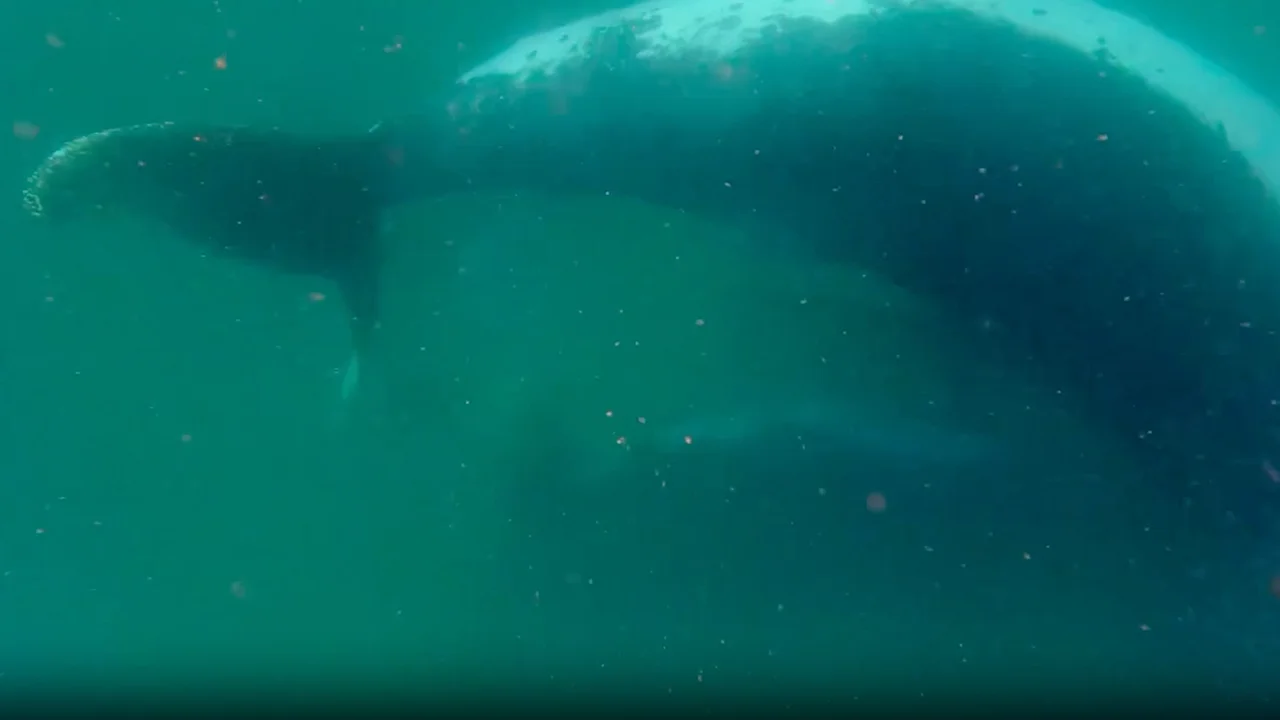
Researchers have made a significant observation with rare video footage showcasing a humpback whale mother's grief over her stillborn calf. Documented off the coast of southeastern Australia in July 2025, this footage represents an unprecedented glimpse into the emotional lives of these marine creatures, shedding light on the complexities of their social structures and behaviors.
Visual Documenting of Whales' Emotions
The video details a female humpback whale (Megaptera novaeangliae) hovering above her lifeless calf on the seafloor, seemingly attempting to make eye contact. This is not just an incidental finding; the emotional implications of this footage are profound. The insights come from a study published in the journal Discover Animals on September 16, which highlights the exceptional nature of this event. According to Olaf Meynecke, a marine ecologist at Griffith University and the study's lead author, the rarity of such observations cannot be overstated. Only about 20 humpback whale births have been documented, with none previously reported involving stillborn calves. This scarcity underlines the extraordinary nature of the footage.
Challenges in Observing Humpback Whale Births
Newborn humpback whales lack sufficient blubber to float, which contributes to the challenge of spotting a stillborn; the body sinks almost immediately after birth. Understanding this phenomenon is key to grasping the difficulties researchers face when studying whale births. This tendency of stillborn calves to sink may explain why such instances have eluded researchers until now. Moreover, the lack of documentation surrounding such events underscores a gap in marine mammal research. The footage serves to deepen our understanding of the whale's behavioral response during these traumatic events, showcasing what appears to be a deep attachment and emotional turmoil.
First-Hand Observations: A Unique Perspective
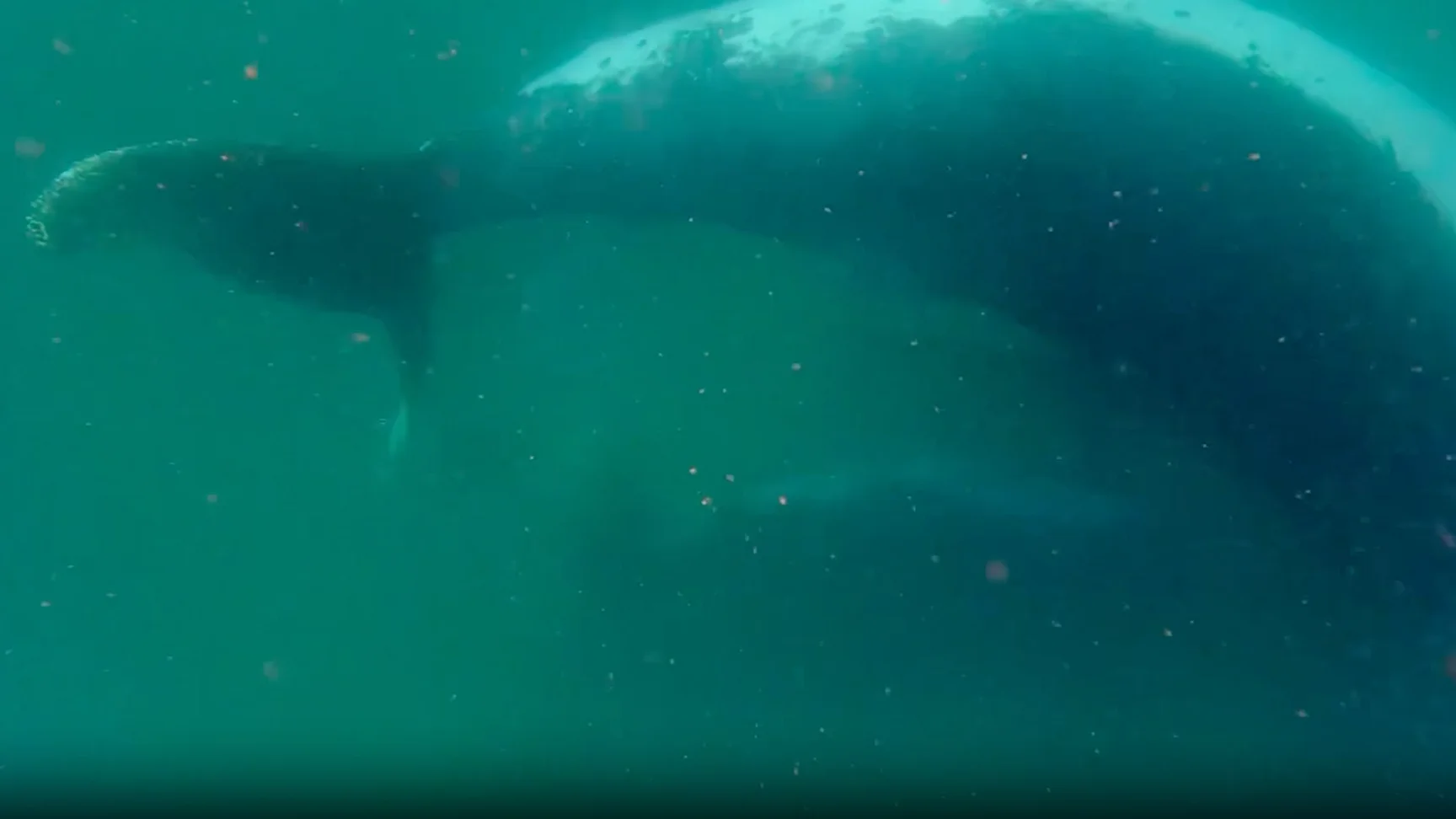
Andrew Mulville, a co-author of the study, was aboard a private boat when he first witnessed the two adult humpback whales at the water's surface. One whale assumed a vertical position, prompting Mulville to investigate further. Moments later, he discovered the remnants of an amniotic membrane floating nearby, indicating the whale had just given birth. Following the mother underwater with a GoPro, they located the lifeless calf resting on the sea floor, where the mother displayed what the researchers interpreted as "postmortem attentive behavior," indicative of grieving. This is significant because it illustrates how little we truly know about marine mammals' emotional responses.
Meynecke noted, "She was repeatedly diving next to the calf, resting beside it, and even moving her pectoral fin over the calf. This behavior persisted for at least 90 minutes." Such prolonged attention highlights a depth of maternal care and emotional reporting that’s rarely captured in the wild. While researchers eventually departed the scene after two hours, it’s suggested that the mother may have engaged in this behavior for days. If you're working in this space, this observation hints at a deeply ingrained emotional experience that could reshape how we interpret the behaviors of aquatic animals.
Maternal Behavior and Grieving Rituals
Notably, the mother did not attempt to surface with the calf, possibly suggesting her awareness of the calf's death during birth. This contrasts with observed behaviors in toothed whales, which have been seen to push stillborn calves to the surface. Behavioral differences provide a glimpse into the complex emotional frameworks of different species. An additional adult whale, identified as an "escort," appeared to be providing support to the birthing mother, a common behavior observed in humpback whale social structures. This collaborative aspect reveals that these animals might operate within a community mindset when it comes to reproductive challenges.
The Significance of Grieving Behavior
The occurrence of grieving behavior in humpback whales indicates a strong maternal bond. While quantifying grief in animal behavior can be challenging due to the lack of physiological evidence, researcher observations reveal profound emotional investment. Both adult whales continued swimming in the vicinity for days, reinforcing the notion that they were affected by the loss. (and this is the part most people overlook) Grief isn't a singular experience; it reflects a spectrum of emotional responses that can enhance our understanding of cetacean relationships.
As Meynecke puts it, this event provides a unique lens into the complex behavioral patterns of baleen whales, particularly in their interactions with deceased members of their species. This highlights their capacity for emotional depth and caregiving, adding to the already intricate understanding of cetacean behavior. What this means for you, whether you're a marine biologist, wildlife enthusiast, or just someone curious about animal behavior, is that there's much more to these animals than meets the eye. Each observation like this deepens our understanding of the emotional and social lives of whales, ultimately hinting at their intelligence and the ethical implications of their conservation.
Future Outlook: New Understanding of Marine Mammals
This recent observation may spur further studies into the emotional lives of marine mammals, potentially leading to new protective measures for these species. With this emerging evidence of complex emotional behaviors, conservation efforts might refocus on species not only for their ecological role but also for their emotional and social needs. As researchers continue to unravel the emotional fabric of these creatures, we might get closer to understanding the rich inner lives of whales, prompting questions about how we respect their right to thrive in their natural environments.
Discussion
Sign in to join the discussion.