A newly identified genetic mutation, EGFR T790M, significantly increases lung cancer risk in nonsmokers, prompting the need for targeted screenings.
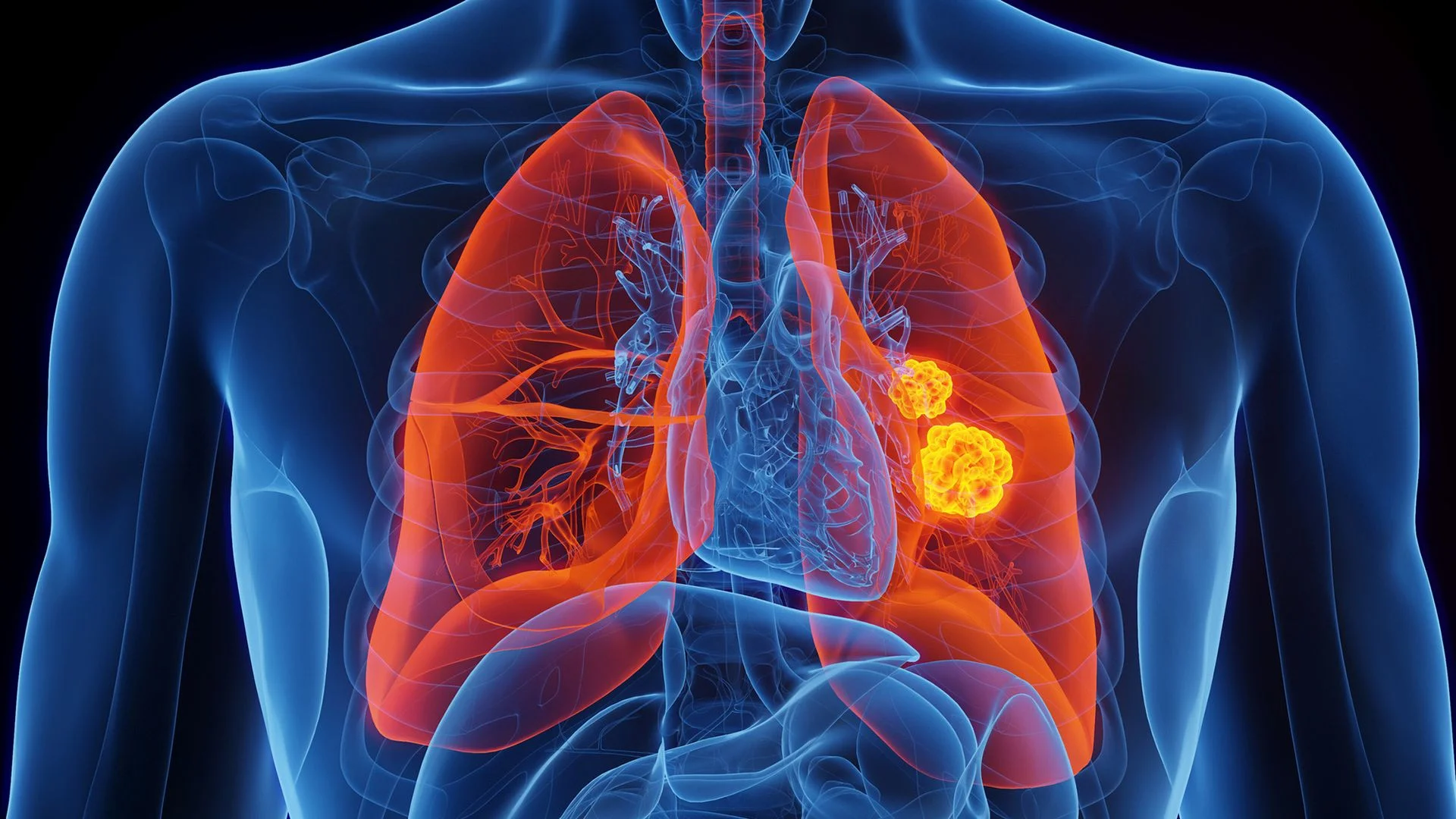
Recent research highlights an inherited genetic mutation, EGFR T790M, that drastically elevates lung cancer risk in individuals who have never smoked. The findings, published in the journal Science, reveal that nonsmokers with this mutation face a staggering 62-fold increase in lung cancer risk compared to those without the mutation. This raises troubling questions about how we assess lung cancer risk, which traditionally has focused heavily on smoking history.
In contrast, smokers without the mutation are only four times more likely to develop the disease compared to nonsmokers, suggesting that the genetic mutation carries a more significant risk. Among the analysis participants who both smoked and carried the T790M mutation, their cancer risk surged 11-fold compared to smokers without it. This data urges a rethinking of risk factors; the assumption that only smokers bear the brunt of lung cancer needs dismantling, especially considering how common this mutation might be among specific populations.
"This finding is very significant," stated Chris Amos, a genetic epidemiologist at Baylor College of Medicine who did not participate in the research. "We previously had a limited understanding of the prevalence and impact of the T790M variant on lung cancer risk." His comment underscores a growing recognition that genetic predispositions are as critical as lifestyle choices in evaluating health risks.
Insights from a Large Cohort
The research encompassed over 3 million individuals of European descent, revealing that the T790M mutation occurs in approximately 1 in every 15,850 people. Despite its rarity, Dr. Stephen Chanock, director of the Division of Cancer Epidemiology and Genetics at the National Cancer Institute, points out that its implications warrant attention, particularly for individuals with a family history of lung cancer. Such insights indicate that genetic testing could become an important part of risk assessment for lung cancer, even in non-smoking populations.
This mutation not only shapes lung cancer risk profiles but can also influence treatment plans for patients already diagnosed with cancer, as Amos emphasized. Understanding a patient's genetic predisposition could significantly tailor treatment approaches, making therapy more effective and personalized. For instance, identifying this mutation may dictate the choice of targeted therapies that are specifically designed to address certain genetic profiles.
Combining Genetic Insights and History
Researchers capitalized on data from over 3.3 million users of the 23andMe genetic testing service. This crowdsourced genomic dataset stands out for its size and diversity, which enhances its relevancy to broader populations. While two major public genetic databases revealed only a handful of individuals with the T790M mutation, the 23andMe cohort presented 641 instances, allowing for more robust statistical analysis. This approach exemplifies how personal genomics can provide valuable insights that traditional research methodologies may overlook.
Individuals with the T790M mutation face about 25 times higher odds of developing lung cancer than their non-mutated counterparts. Notably, the mutation demonstrated no correlation with other cancer types or non-cancerous lung ailments. This specificity emphasizes the need for targeted research rather than a one-size-fits-all model in cancer risk evaluation. Researchers have emphasized that defining these risks accurately can lead to better diagnostic and therapeutic strategies.
Geographically, the study showed a pronounced prevalence of the T790M mutation in the Southeastern United States, particularly in Alabama, Mississippi, and Tennessee, where the ratio is approximately 1 in 2,078 participants. The researchers hypothesize that early 18th-century settlers from the British Isles introduced the mutation to the U.S., and its effects intensified through generational isolation in the Appalachian region. The intersections between genetics and geography here are quite revealing, suggesting that certain populations may require different healthcare strategies reflecting their unique genetic risks.
Screening Considerations
Given that individuals carrying the T790M mutation tend to develop lung cancer roughly five years earlier than non-carriers, the question arises about optimal screening strategies for this group. Current recommendations encourage annual lung cancer screenings for specific populations with smoking histories using low-dose CT scans, but this study suggests a reevaluation regarding the T790M mutation carriers, regardless of smoking behavior. What's clear is that a more nuanced understanding of risk is essential for early detection efforts.
A clinical trial is currently underway to assess CT-based lung cancer screening specifically for individuals with the T790M mutation, also aiming to identify how age affects lung cancer risk within this demographic. The results from this trial could reshape guidelines and potentially save lives by catching cancers earlier in those genetically predisposed to the disease.
Future Research Endeavors
Researchers are advocating for further investigation into the reasons behind the heightened lung cancer risk associated with the T790M mutation and potential environmental factors that may interact with this genetic predisposition. The impact of particulate matter pollution is highlighted as a key area for exploration. Many people overlook how environmental toxins might compound the risks posed by genetic mutations, making an intersectional investigative approach critical.
As for the future, Chanock anticipates that scientists will identify other rare genetic mutations contributing to lung cancer risk. "There’s likely a broader spectrum of EGFR variants that we have yet to uncover," Amos added, emphasizing the potential for these findings to help individuals manage their cancer risk proactively. This could lead to more precise screening guidelines and targeted prevention strategies, ultimately reducing lung cancer mortality.
Significance of Findings
This research carries more weight than merely adding another mutation to the long list of cancer risks. If you're working in this space, you'll see this as a call to rethink screening protocols and public health education focused on lung cancer. As the medical community begins to understand the profound implications of genetic factors like the T790M mutation, it may dramatically shift both patient care and research focus. The primary takeaway here is that lung cancer isn't just a smoker's disease; the genetics involved warrant heightened scrutiny and proactive measures.
This article is for informational purposes only and is not intended as medical advice.
Discussion
Sign in to join the discussion.