The discovery of exoplanet Elias 2-24 b, the youngest known planet at under 1 million years, offers unique insights into planetary development.
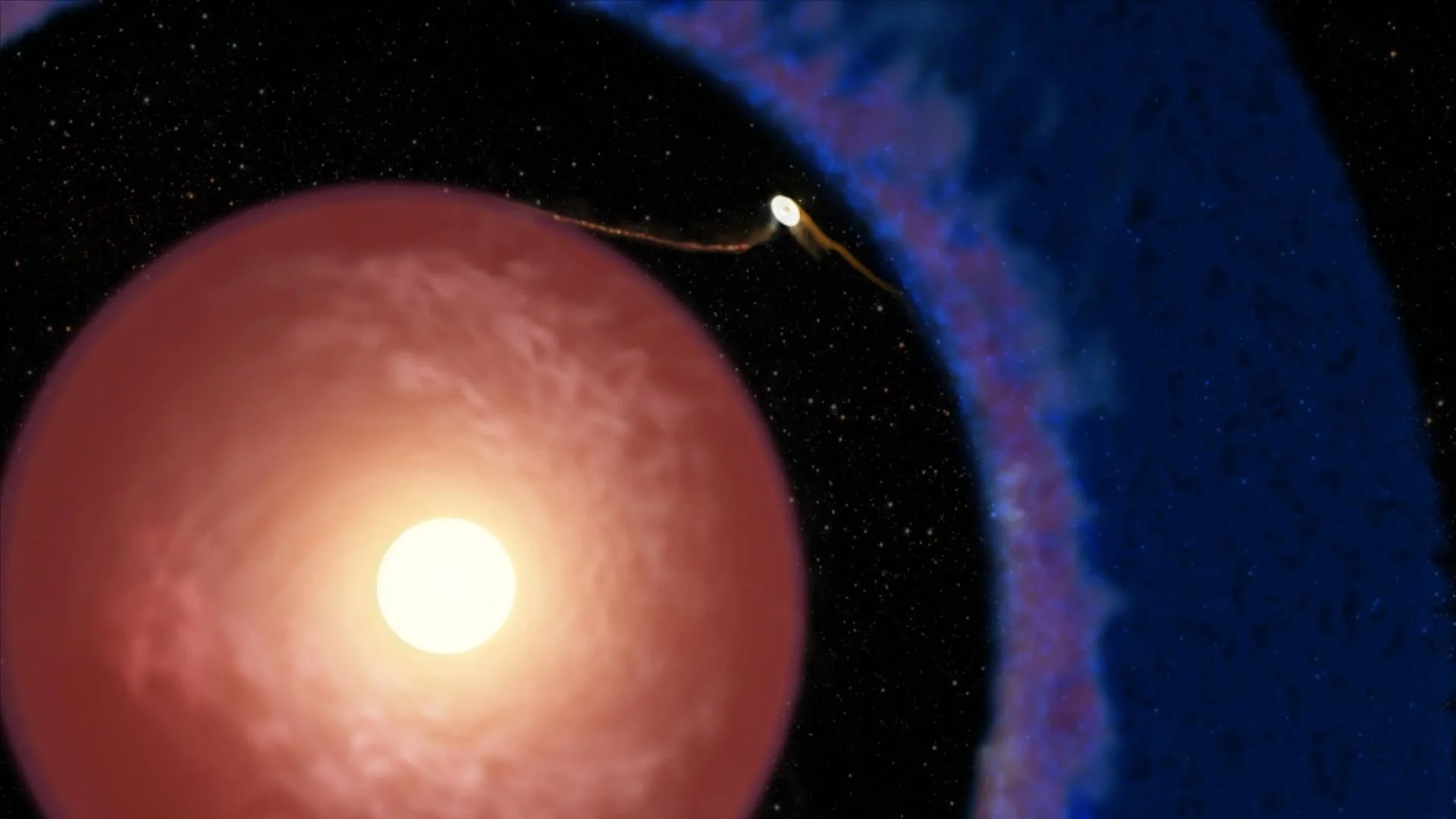
A recently confirmed exoplanet, known as Elias 2-24 b, is making waves in the astronomy community as the youngest ever detected, with an age of less than 1 million years. Positioned approximately 450 light-years from Earth, this fledgling planet is significant for researchers aiming to unravel the processes behind planetary formation.
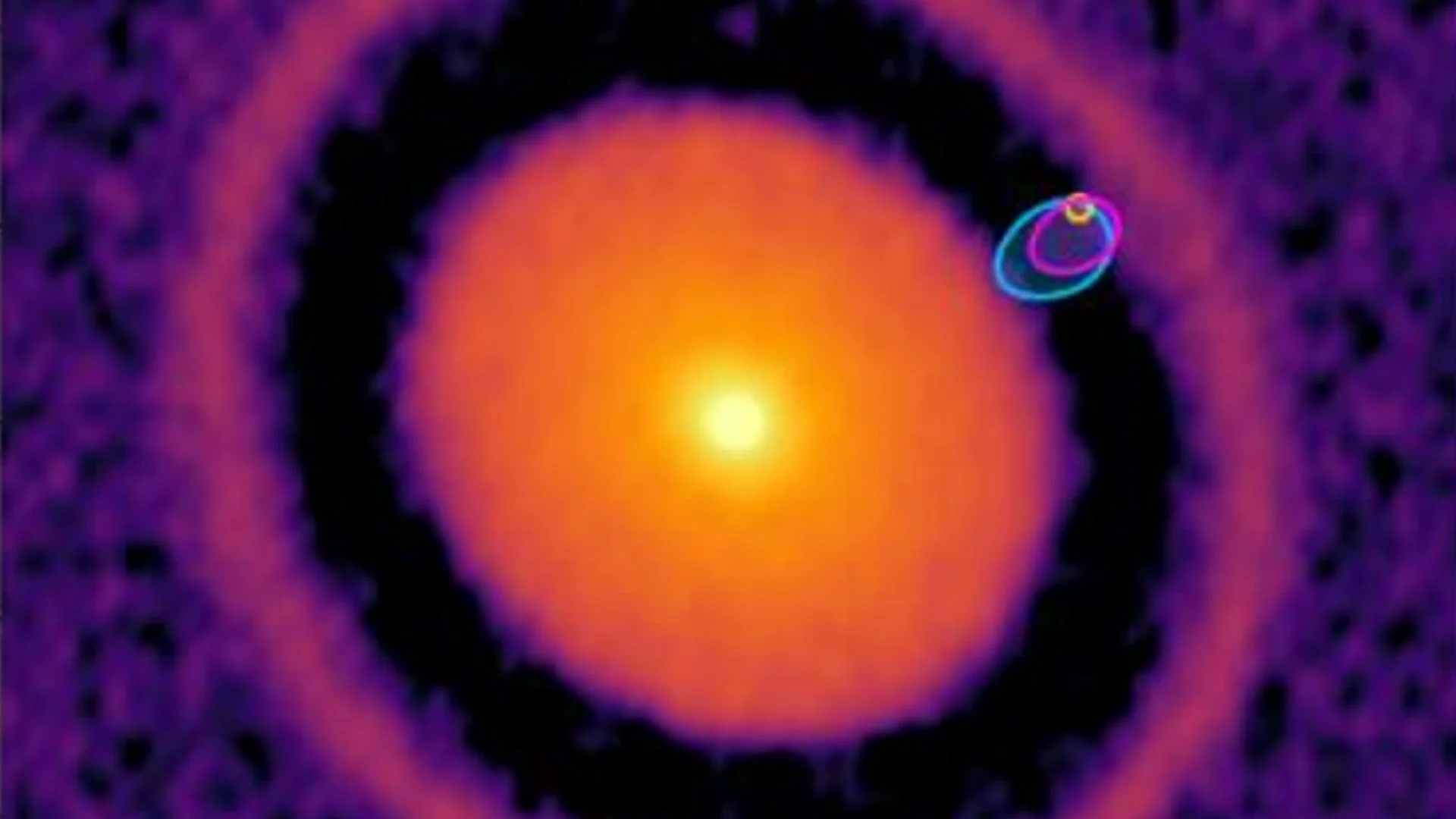
Elias 2-24 b orbits a nascent star and boasts a mass estimated between two and four times that of Jupiter. It resides nearly twice as far from its star as Neptune is from our sun. Initial indicators of its existence surfaced back in 2017 when astronomers observed a slight gap in the star's protoplanetary disk — the swirling debris from which planets form. This gap suggested that Elias 2-24 b was forming as material coalesced from the disk, though direct detection eluded researchers until recently.
Published on September 16 in The Astrophysical Journal Letters, a new study combined observations from the W. M. Keck Observatory in Hawaii, the Atacama Large Millimeter/submillimeter Array in Chile, and the Very Large Telescope (also in Chile) to confirm the existence of Elias 2-24 b. The research team directly imaged the planet and confirmed its youth.
Andrea Bernardi, the lead author of the study and a doctoral student at the Institute of Astrophysical Studies (IEA) at Diego Portales University in Chile, remarked, “What makes Elias 2-24 b so remarkable is its age. This is the youngest planet detected so far, and because it is still actively accreting material from its surroundings, we're able to observe a stage of planet formation that is rarely seen directly.”
This newly confirmed planet's age is staggering when compared to Earth — Elias 2-24 b is roughly 5,000 times younger or about 0.008% the age of the oldest known exoplanet, PSR B1620-26 b, known colloquially as "Methuselah," which formed about 1.1 billion years after the Big Bang. In human terms, this equates Elias 2-24 b's age to that of a two- or three-day-old baby.
Record Setter for Young Exoplanets
This discovery isn't the first of its kind, as astronomers have observed other young exoplanets. However, a significant threshold was previously set in their visibility. Worlds like the several orbiting the star PDS 70, which were previously identified, were around 5 million years old. This age limitation stemmed from previous telescope capabilities, which required exoplanets to clear a sufficient gap in their protoplanetary disks before they could be detected.
Advancements in telescope technology and data analytics have pushed researchers to examine younger celestial bodies. For instance, astronomers identified TIDYE-1b in 2024 at about 3 million years old and later in 2025, AB Aurigae b was found, likely around 2 million years old. Now, with Elias 2-24 b confirmed, this new exoplanet serves not just as a planetary infant but also as an opportunity to test existing models of planetary formation.
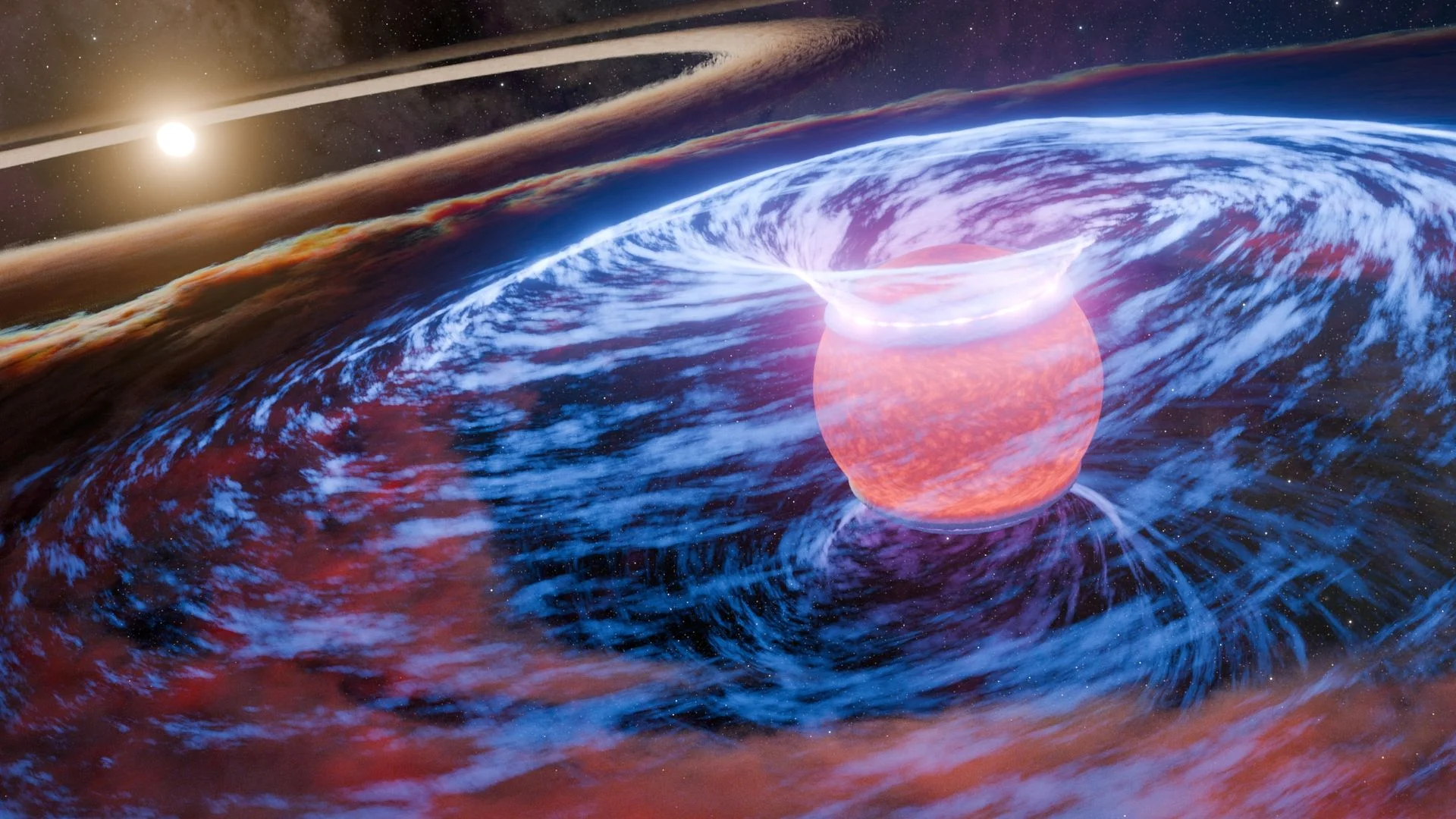
Elias 2-24 b now stands at the forefront in shedding light on the formation processes that remain unclear. Lucas Cieza, another researcher from IEA who led the initial study detecting the gap left by this planet, acknowledged, “Our planet-formation models already struggled to explain the previous record holders for the youngest known planet. Elias 2-24 b shows us that even our best planet-formation models are still missing some important processes.”
Understanding Observation Gaps
Of the more than 6,000 exoplanets cataloged to date, most have been observed using the transit method, where these distant worlds cause temporary dips in the brightness of their home stars as they pass in front of them. However, such methods prove ineffective when planets nestle within protoplanetary disks, as the accumulating debris often dims starlight, rendering detection challenging.
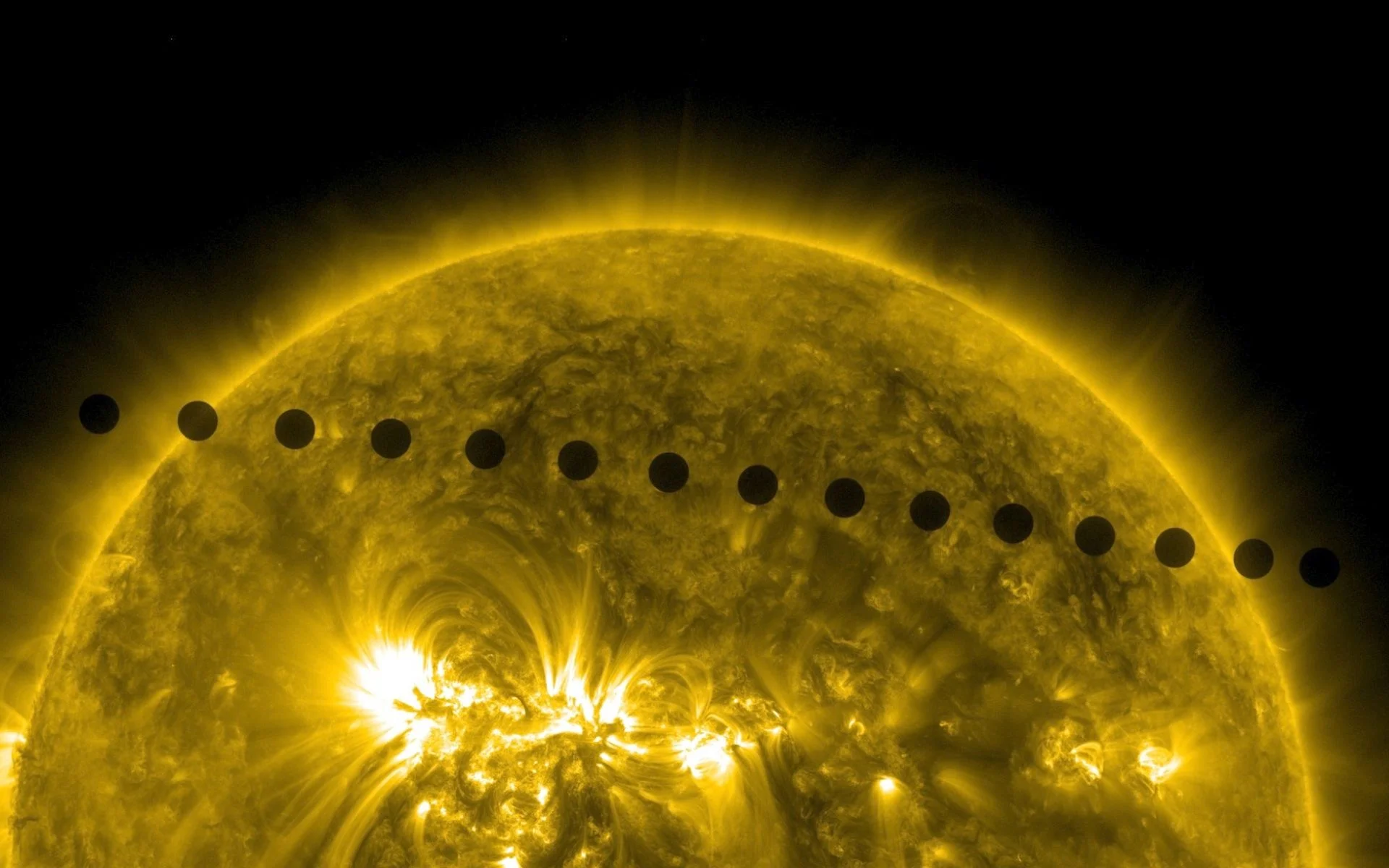
The configuration needed to observe these young planets ideally includes the protoplanetary disk being aligned perpendicular to Earth’s view, allowing astronomers to spot gaps containing developing planets. Yet, this arrangement is difficult as the star’s brightness often overshadows the disk, creating substantial observational challenges. However, with advancements like the Nancy Grace Roman Space Telescope, recently launched on August 30, which features a starshade to suppress starlight interference, experts anticipate a new era of planetary discovery. Predictions suggest that Roman might identify up to 100,000 new exoplanets and facilitate the detection of many more celestial infants.
As Cieza aptly states, “This is just the beginning of a new era of discovery.”
Discussion
Sign in to join the discussion.