An unusual case reports a 16-year-old boy in India who developed an ectopic tooth protruding from his eyelid, prompting unique surgical intervention.
Patient Overview: A 16-year-old male in India faced an unexpected and puzzling medical condition when he developed swelling on his left upper eyelid. This swelling, though painless, persisted for several months and was accompanied by the emergence of two sharp, white projections piercing the skin above his eye. The teenage boy's experience highlights how unusual medical cases can defy straightforward explanations, reminding us that human anatomy often brings surprises even to seasoned professionals.
Medical Consultation and Initial Findings
Concerned about the growing projections, the teenager sought medical attention about a month after their appearance. Upon examination, doctors observed that these projections exhibited a notably smooth surface and felt hard during palpation, indicating potential dental origin. Dr. Meghana Tanwar from the Aravind Eye Hospital commented that the characteristics suggested the possibility of tooth structure. This highlights a critical point in medical diagnostics—the capacity to connect physical symptoms with underlying anatomical issues is vital. Often, patients present with symptoms that may not align with typical expectations, necessitating thorough evaluations.
This case initially raised speculation regarding the nature of the projections, including theories suggesting they might be linked to a teratoma—an unusual tumor that can harbor various tissue types. Additionally, doctors considered the possibility of foreign body insertion, leading to a CT scan for a deeper insight. Speculating on varied diagnoses is common in medicine, particularly when confronting atypical conditions that do not conform to known patterns. The challenge lies in balancing immediate concern with the procedural steps necessary for obtaining clarification.
Diagnostic Findings
The CT imaging ultimately clarified the situation, confirming that the projections were indeed parts of a tooth. There was a clear indication of an ectopic tooth located within the superior orbit, the upper part of the eye socket, which had extruded through the gap between the eyelid and the eyebrow. Ectopic teeth present a fascinating aspect in dental medicine. While most of us think about teeth only in the context of their expected locations, the realities of tooth growth can lead to surprising scenarios, as evidenced in this patient.
The phenomenon of ectopic teeth—teeth that grow in atypical locations—covers a broad spectrum of conditions. Commonly, those affected may have teeth erupting out of line within their dental arch; however, this particular case presented a rare instance of an ectopic tooth fully external to any typical dental arrangement. The condition, while not entirely unheard of, remains infrequent enough that each reported instance adds to our collective medical knowledge. This case highlights the intricate balance between the development of our teeth and their anatomical alignment, which can sometimes malfunction for reasons still poorly understood.
Surgical Intervention
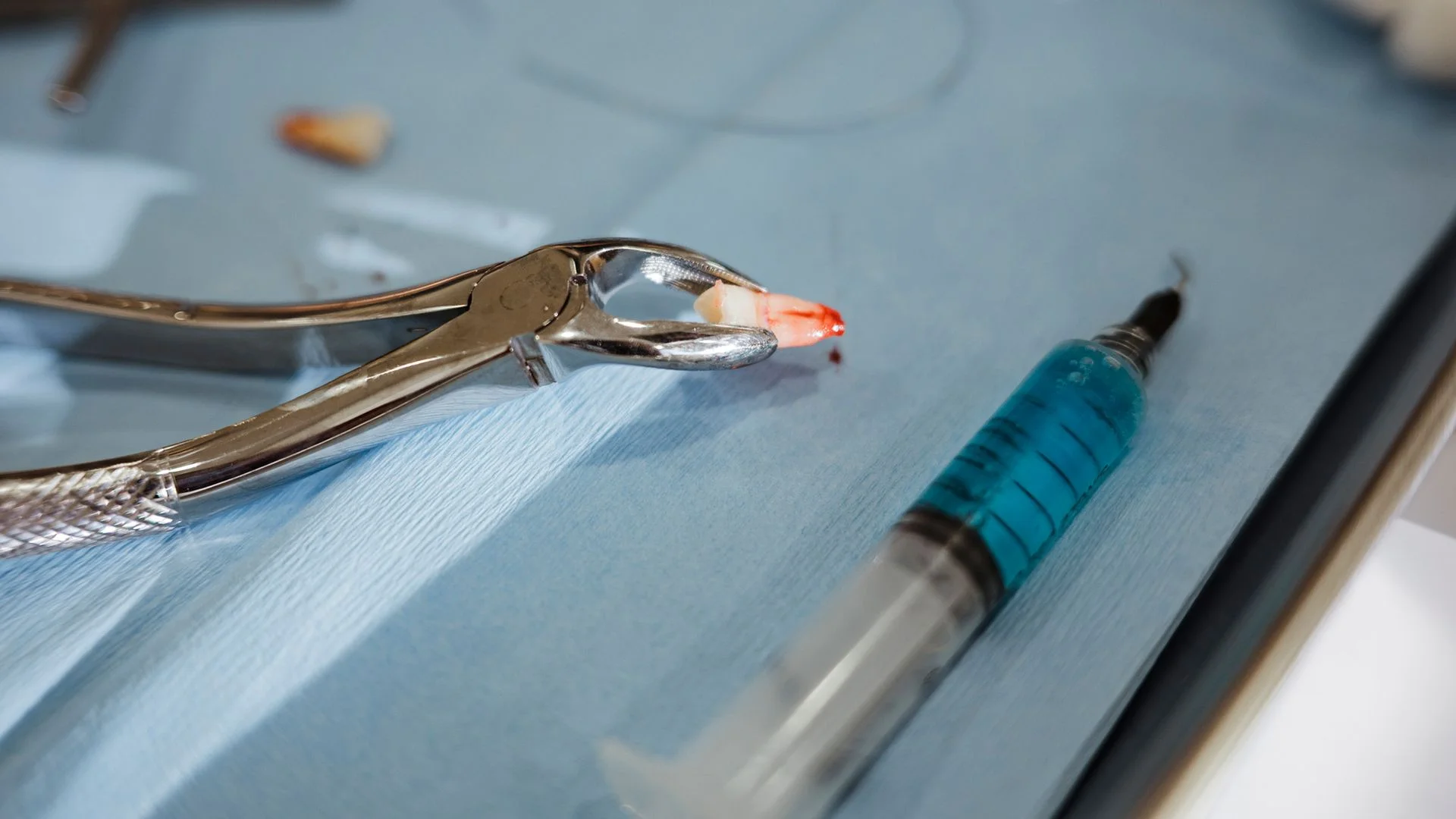
Doctors proceeded to surgically remove the ectopic canine tooth from the young patient's eyelid. The procedure revealed a mature canine tooth that bore no indicators of teratoma association. According to Dr. Tanwar, there were no other ectopic teeth visible in the imaging, suggesting that the likelihood of recurring occurrences in this patient is minimal. Surgical intervention for such errors in tooth placement can be straightforward, yet it’s essential for medical professionals to consider the complications that could arise from such anomalies—both physical and psychological.
Uniqueness of the Case
While ectopic teeth have been documented in medical literature, the location of this particular case is significantly uncommon. "To the best of our knowledge, this is the first ectopic tooth documented in the superior orbit," Tanwar stated, indicating the novel nature of this case compared to previous instances where similar anomalies have been found in places such as the nasal cavity and lower orbital areas. This uniqueness underscores the unpredictable nature of human anatomy, and shows just how vital ongoing research and reporting is to the field of medical science.
Dr. Tanwar expressed her astonishment, noting that this case represented a first not only to her team but globally as well. "We were very surprised by it," she remarked, emphasizing the rarity of such occurrences. Such surprises, while intriguing, also remind us that unusual cases can shed light on larger, more complex anatomical or developmental issues that may be underreported. (And this is the part most people overlook.)
Previous experiences have shown the presence of teeth in less typical locations, such as within the bottom of the eye socket in cases involving odontogenic choristoma. However, the overarching cause of this ectopic tooth remains unidentified. Researchers speculate that developmental anomalies, trauma, infections, and genetic predispositions could contribute to such unusual dental presentations. If you’re working in this space, these insights are critical. Understanding the potential underpinnings of such rare conditions helps frame future expectations in patient care.
Implications and Future Outlook
The implications of this case extend beyond the immediate medical treatment of the patient. It raises questions about how frequently ectopic teeth go unnoticed or undiagnosed. As dental practitioners and medical professionals continue to encounter such oddities, the importance of interdisciplinary collaboration becomes clear. Endodontists, oral surgeons, and general practitioners must be aware of these anomalies to ensure timely and accurate diagnoses.
Moreover, cases like these encourage ongoing educational efforts within medical and dental communities. Continuous awareness and sharing of such rare occurrences not only enriches medical literature but may also pave the way for deeper investigations into genetic and developmental factors affecting tooth positioning. Understanding the underlying causes might lead to better preventive strategies in future cases.
For more captivating medical scenarios, you may explore our Diagnostic Dilemma archives.
This article does not constitute medical advice.
Discussion
Sign in to join the discussion.