NASA's Curiosity rover marks 5,000 days on Mars, showcasing standout images that reveal the planet's landscapes and geological wonders.
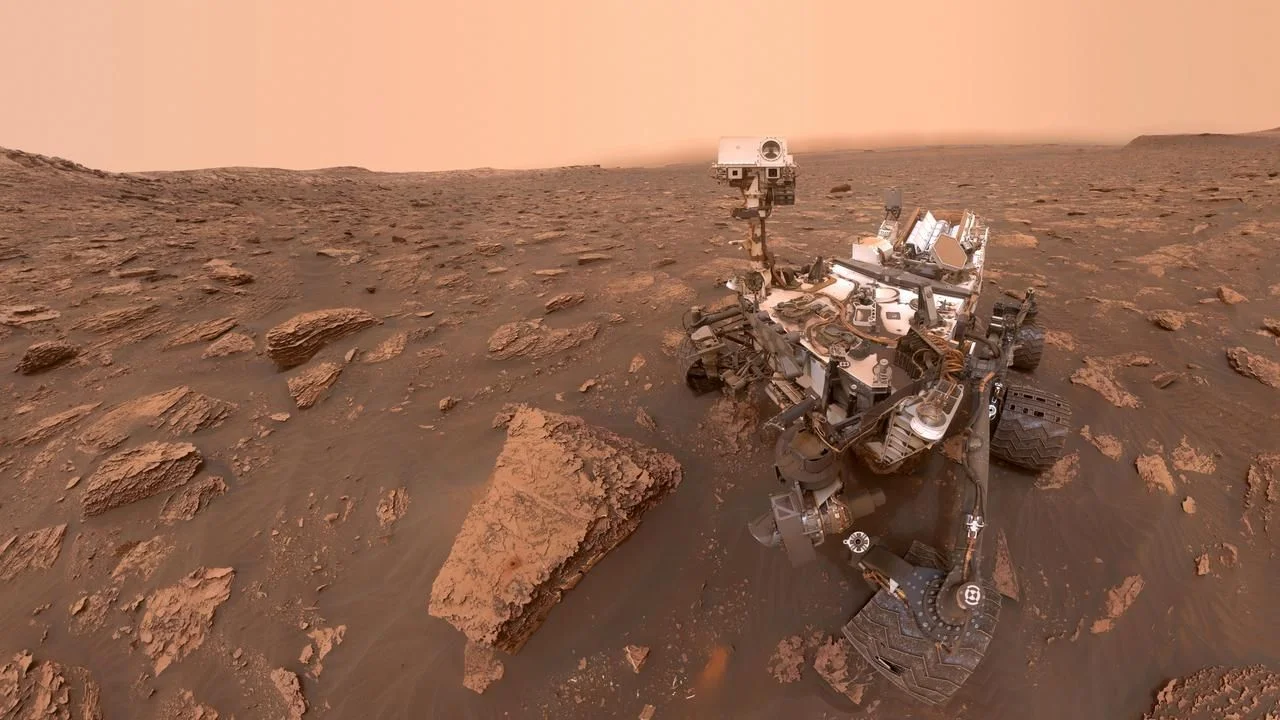
As of August 30, 2026, NASA's Curiosity rover has reached an impressive milestone, having captured the sun rising and setting over Mars more than 5,000 times. Initially designed for a two-year mission, Curiosity's journey has continued for over 14 years since its landing in August 2012, uncovering secrets about the planet's past.
Throughout its mission, Curiosity has faced challenging global dust storms and ascended more than 3,200 feet (1,000 meters) up Mount Sharp, all while covering over 23.6 miles (38 kilometers) from its initial landing site. The rover remains active, utilizing its 17 cameras to take hundreds of pictures daily, totaling over 780,000 images returned to Earth for analysis.
To commemorate this significant achievement, let’s explore ten of the most remarkable photos Curiosity has taken during its time on the Red Planet.
Sol 548: Mount Sharp on the Horizon
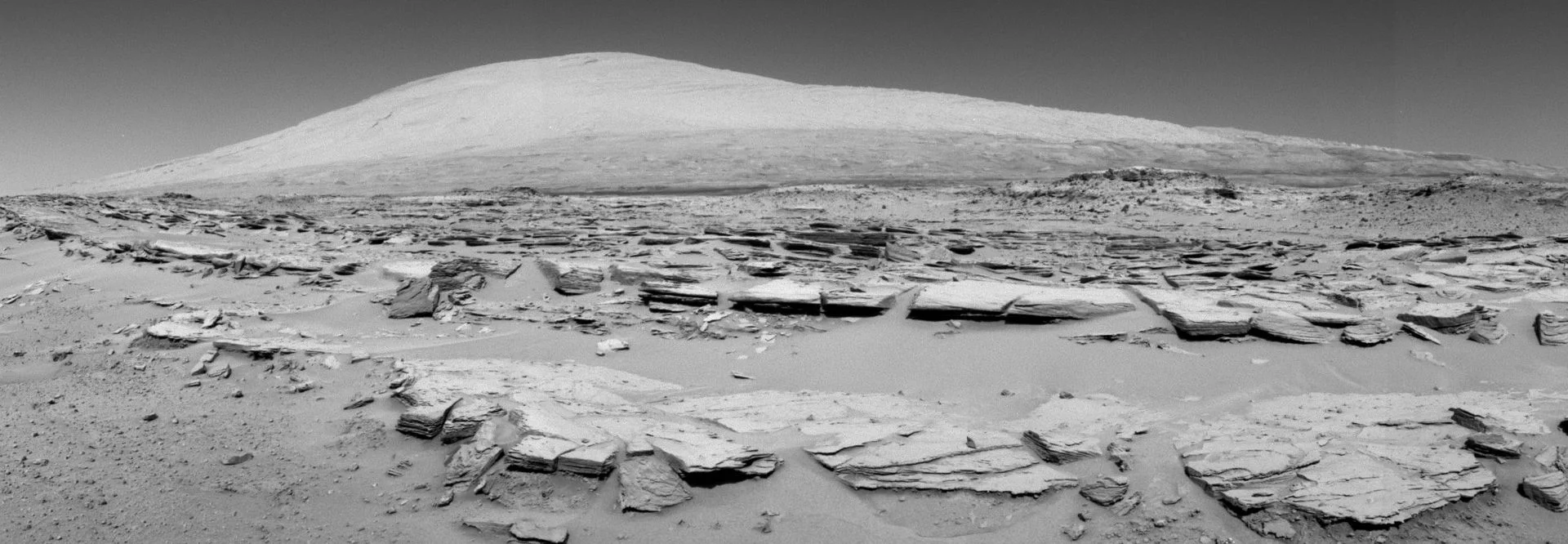
This breathtaking view of Mount Sharp was captured on February 19, 2014, less than two years into the mission. At that time, scientists aspired to reach the mountain's base, and Curiosity has not only met but exceeded those expectations, now exploring over half a mile into the foothills while conducting essential scientific investigations.
Sol 956: Blue Skies on Mars
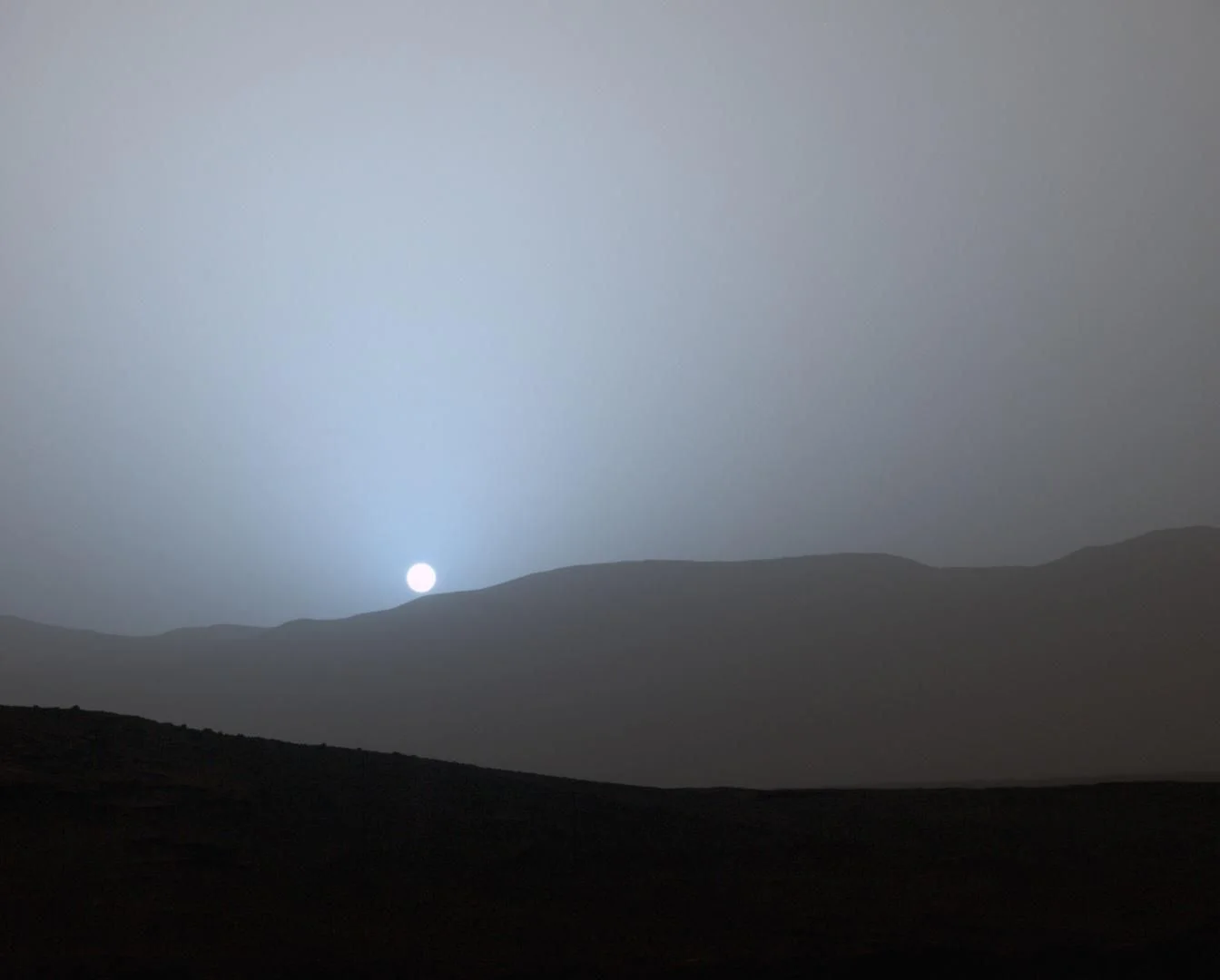
On April 15, 2015, Curiosity accomplished a first by photographing a color sunset on Mars, showcasing the planet’s unique blue sky just before dusk. Contrary to Earth’s colorful sunsets, Martian skies usually present hues of yellow to orange, attributed to atmospheric dust scattering light, particularly the red and yellow spectrum. The blue is more apparent near the sun during low-light hours.
Sol 1128: Curiosity Selfie at Namib Dune
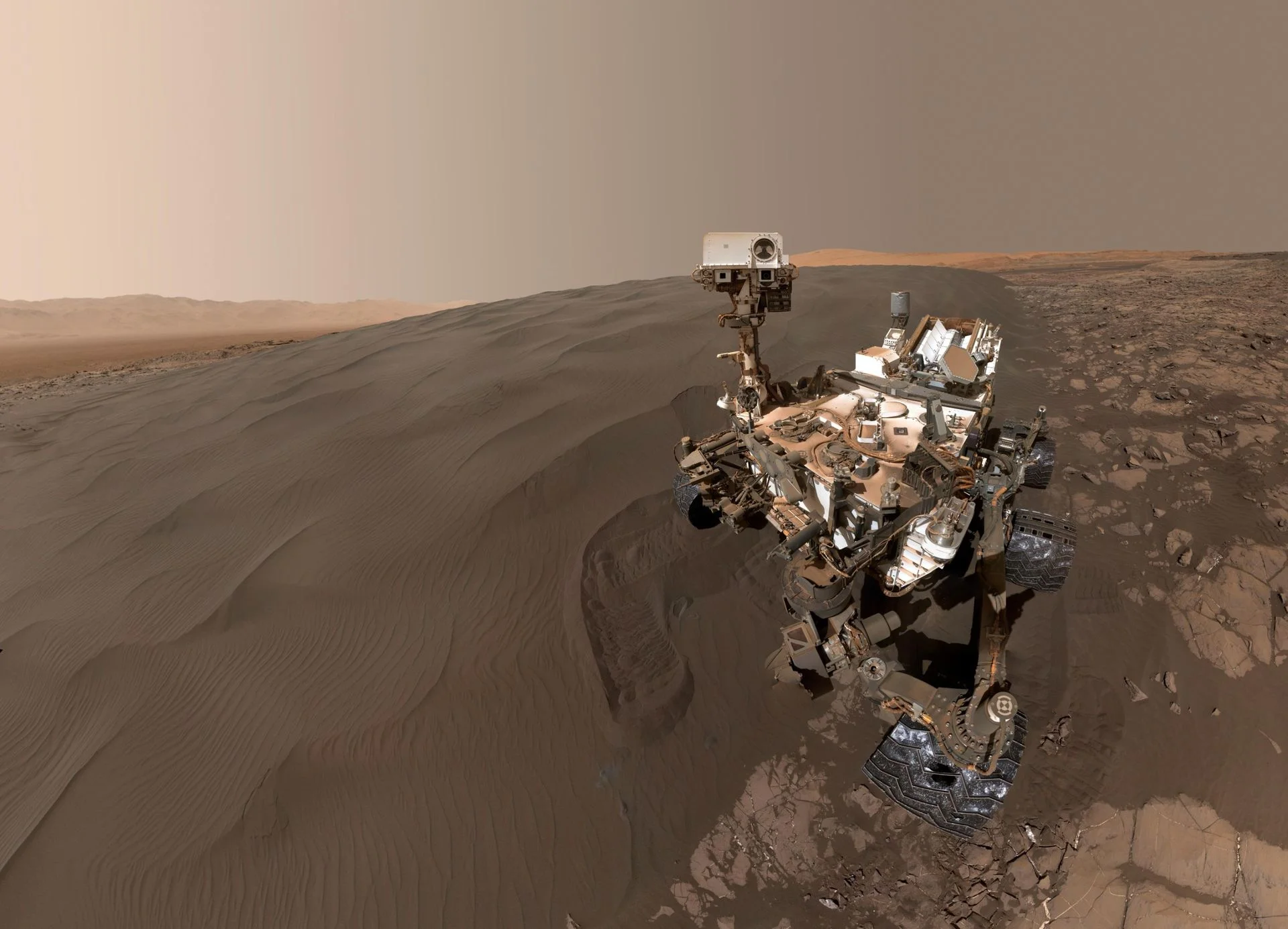
This iconic selfie was taken on January 19, 2016, comprising 57 individual images. Curiosity stands beside Namib Dune, one among the mesmerizing dark sand dunes of the Bagnold Dune Field. The rover’s wheels disturbed the dune, facilitating analysis of the sand’s movement and composition.
Sol 1819: Curiosity Leaves a Thumbprint in the Dust
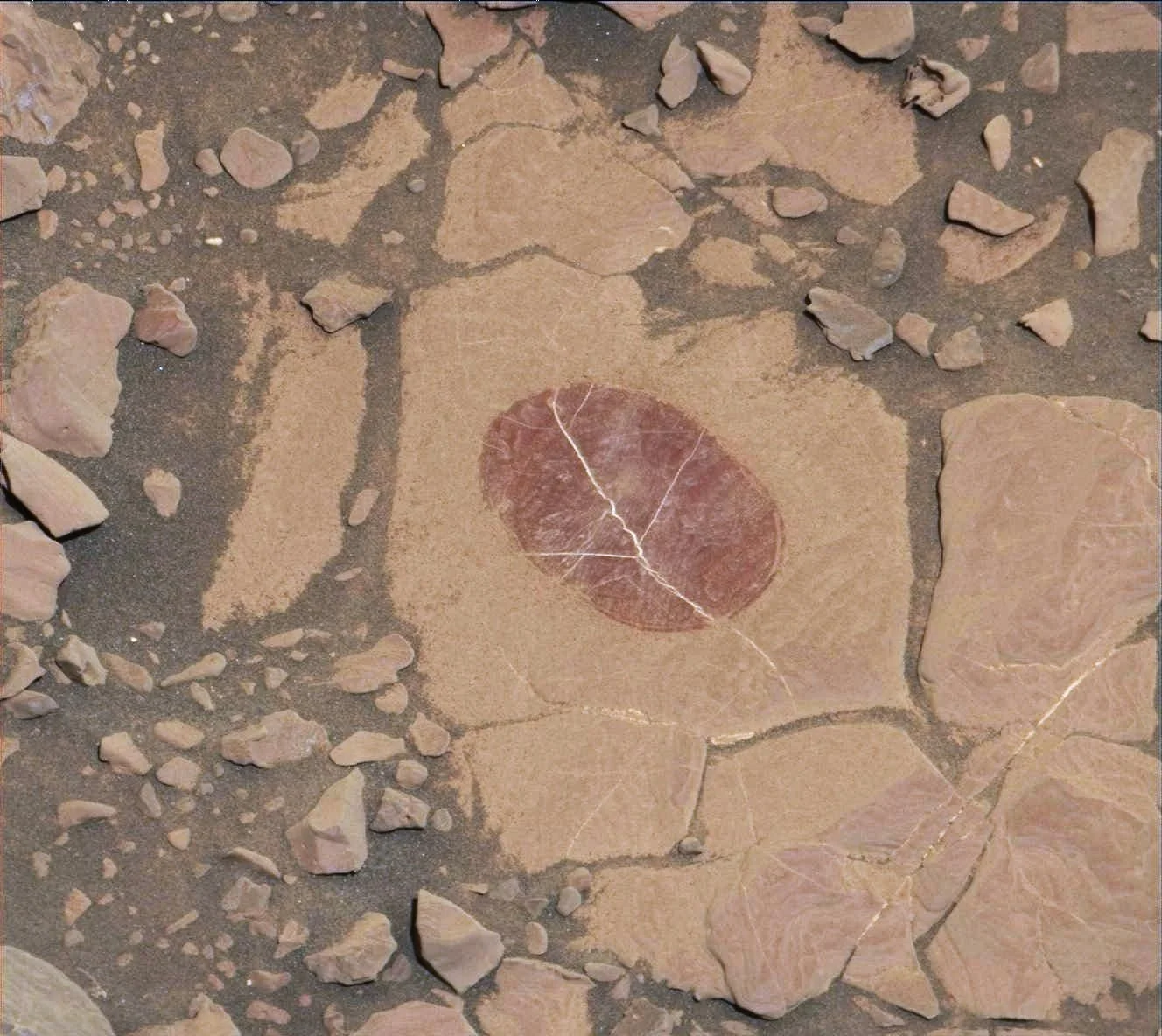
On September 17, 2017, Curiosity documented the dusty Martian surface after clearing a rock, revealing geological features that hint at the planet’s vibrant history. The reddish hue and features suggest the rock is fine-grained hematite, marked with calcium sulfate minerals, showcasing the possible variety beneath Mars’ dusty veneer. Geologists suggest this could hint at colorful layers hidden beneath the surface.
Sol 3466: Totally Not a Door for Aliens
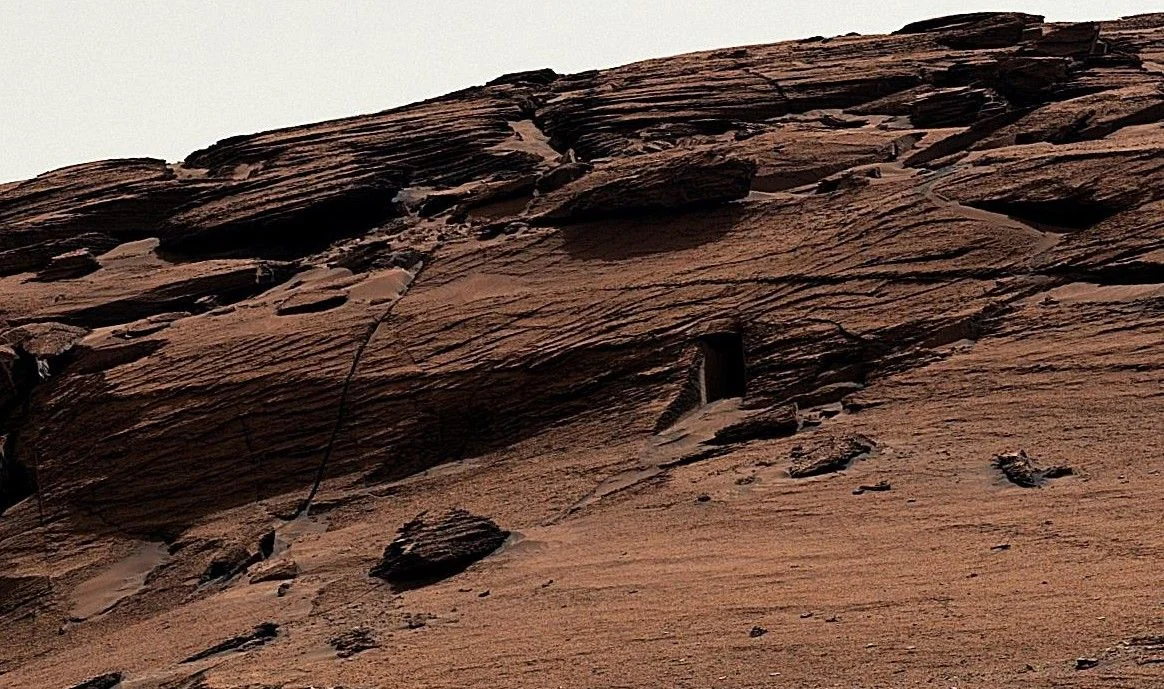
On May 7, 2022, Curiosity sent a captivating photo suggesting a carved doorway into a Martian cliff. While it ignited imaginations of extraterrestrial life, closer inspection revealed it's a natural rock formation caused by geometric stresses and erosion, highlighting the planet’s fascinating geological history.
Sol 3724: Iridescent Feather in the Sky
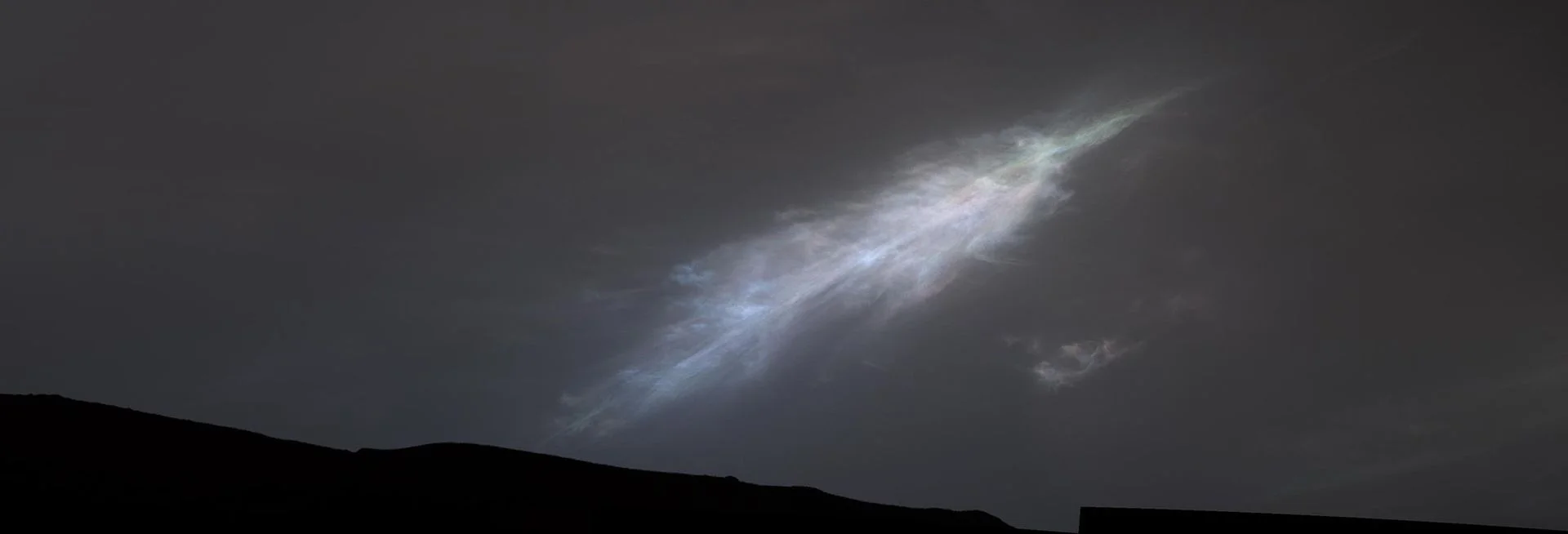
On January 27, 2023, Curiosity captured a stunning image of a noctilucent cloud immediately after sunset, which is unique due to its high altitude. This cloud, composed likely of dry ice, showcased vibrant iridescent colors, with scientists noting that the uniformity of particle size in the cloud suggests it formed at that moment.
Sol 3725: Curiosity Finds "Cacao"
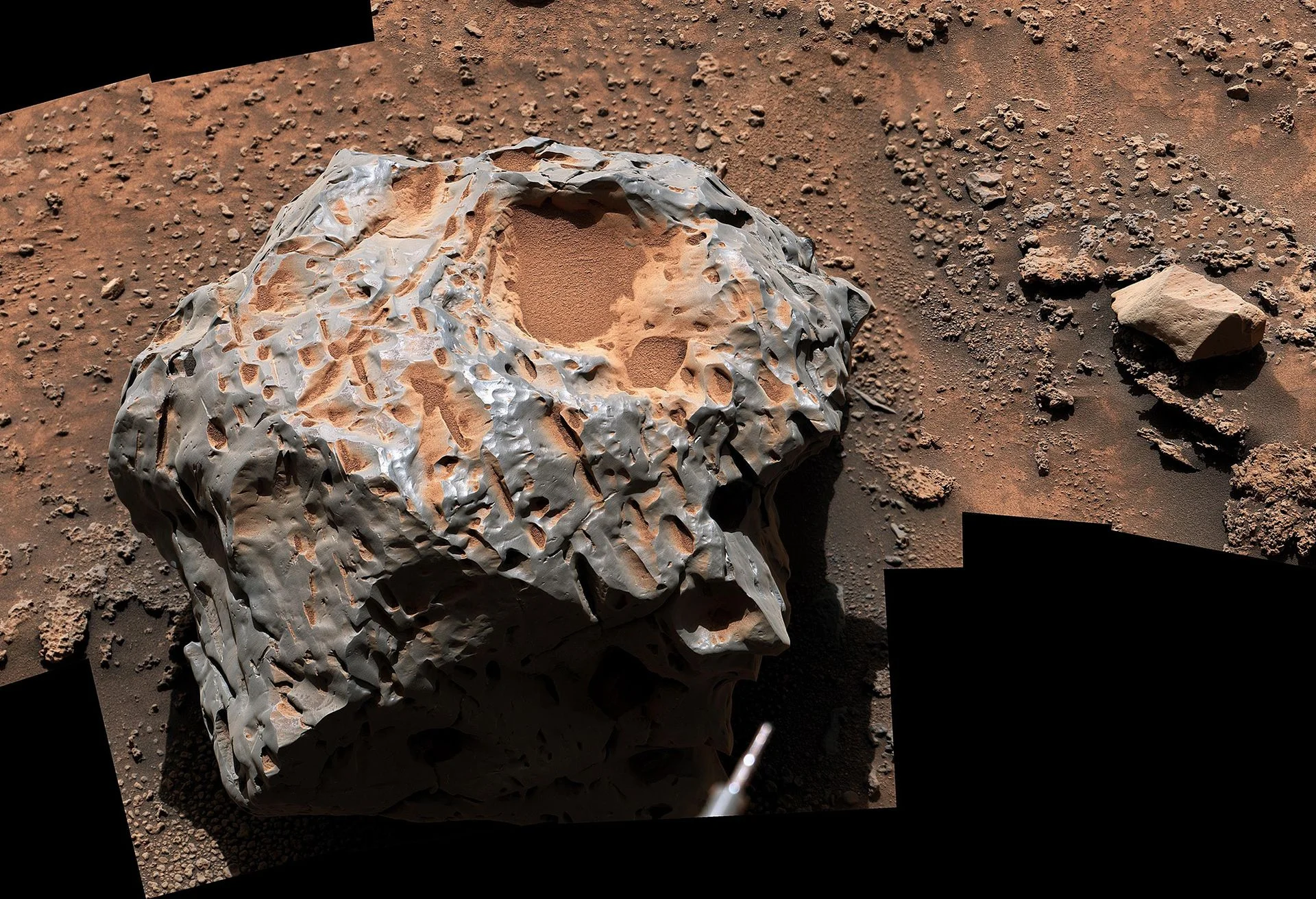
The following day, on January 28, 2023, Curiosity discovered an iron-nickel meteorite, dubbed "Cacao," measuring about a foot across. After analyzing it with a laser, researchers found it informative regarding Mars’ atmospheric evolution, as meteorites persist much longer on its surface than on Earth due to the planet’s harsh conditions.
Sol 4208: Elemental Sulfur Crystal Surprise
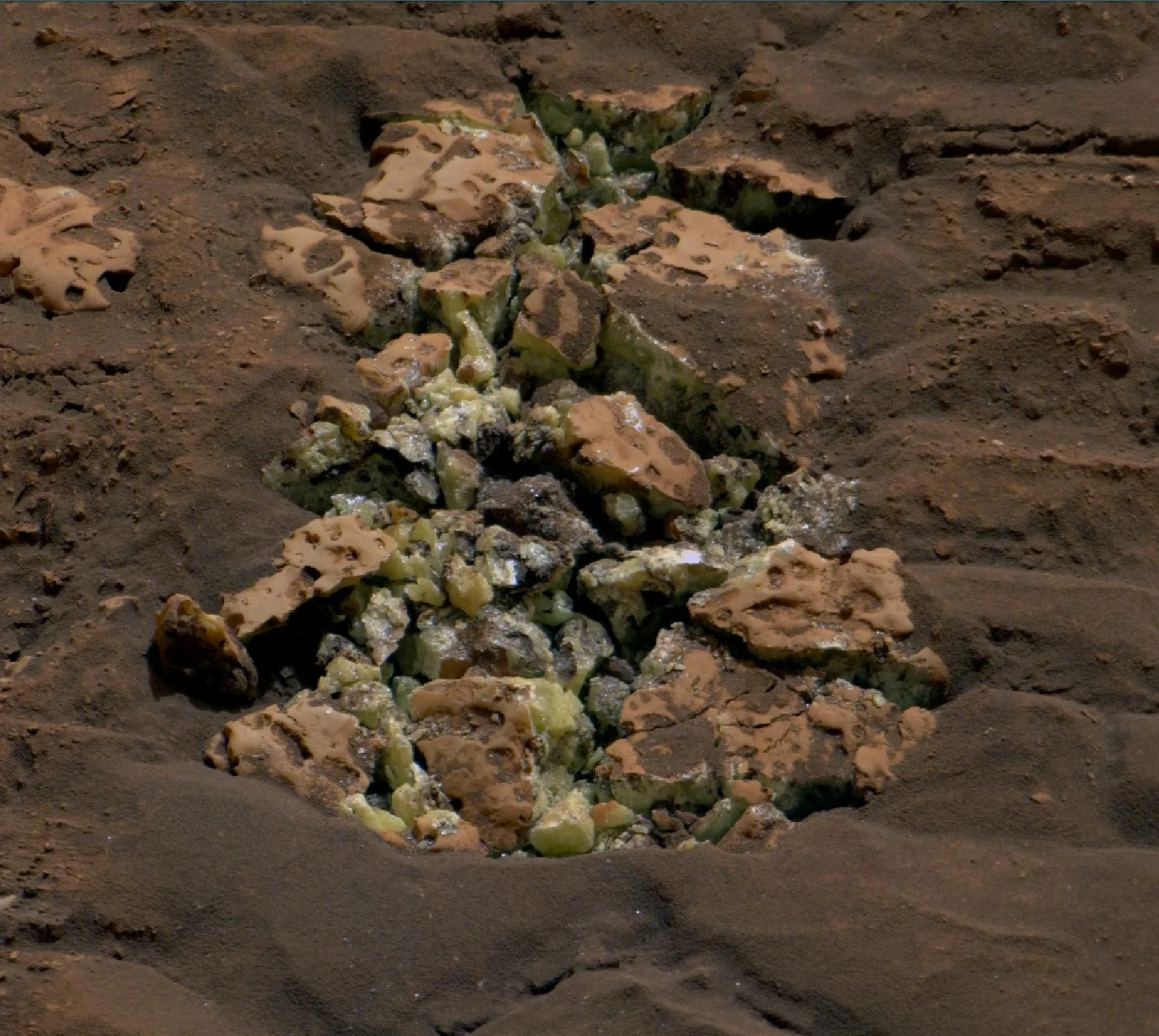
In June 2024, Curiosity's exploration led it to accidentally crush a rock, revealing crystals of pure elemental sulfur. As this was previously unseen on Mars, scientists are intrigued about its genesis, given that sulfur on Earth is often linked to volcanic activity.
Sol 182 - 4263: All 42 Drill Samples
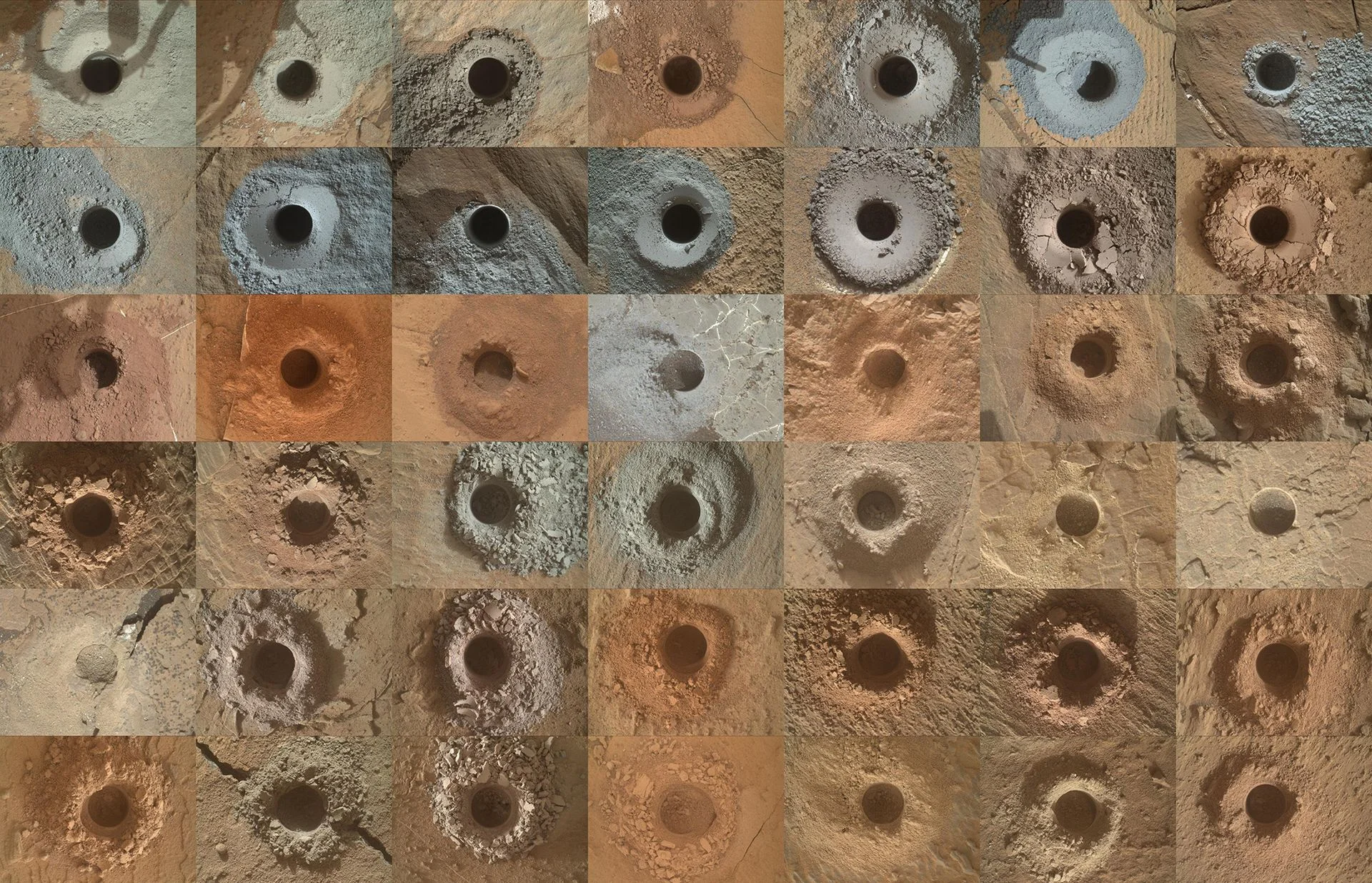
Curiosity has successfully collected 42 rock samples using its built-in drill, enabling intricate analysis of the Martian soil composition. Each sample is meticulously selected due to the limitations on sample storage, allowing scientists insights into Mars' geological history.
Sol 4671: Exploring Martian Spiderwebs
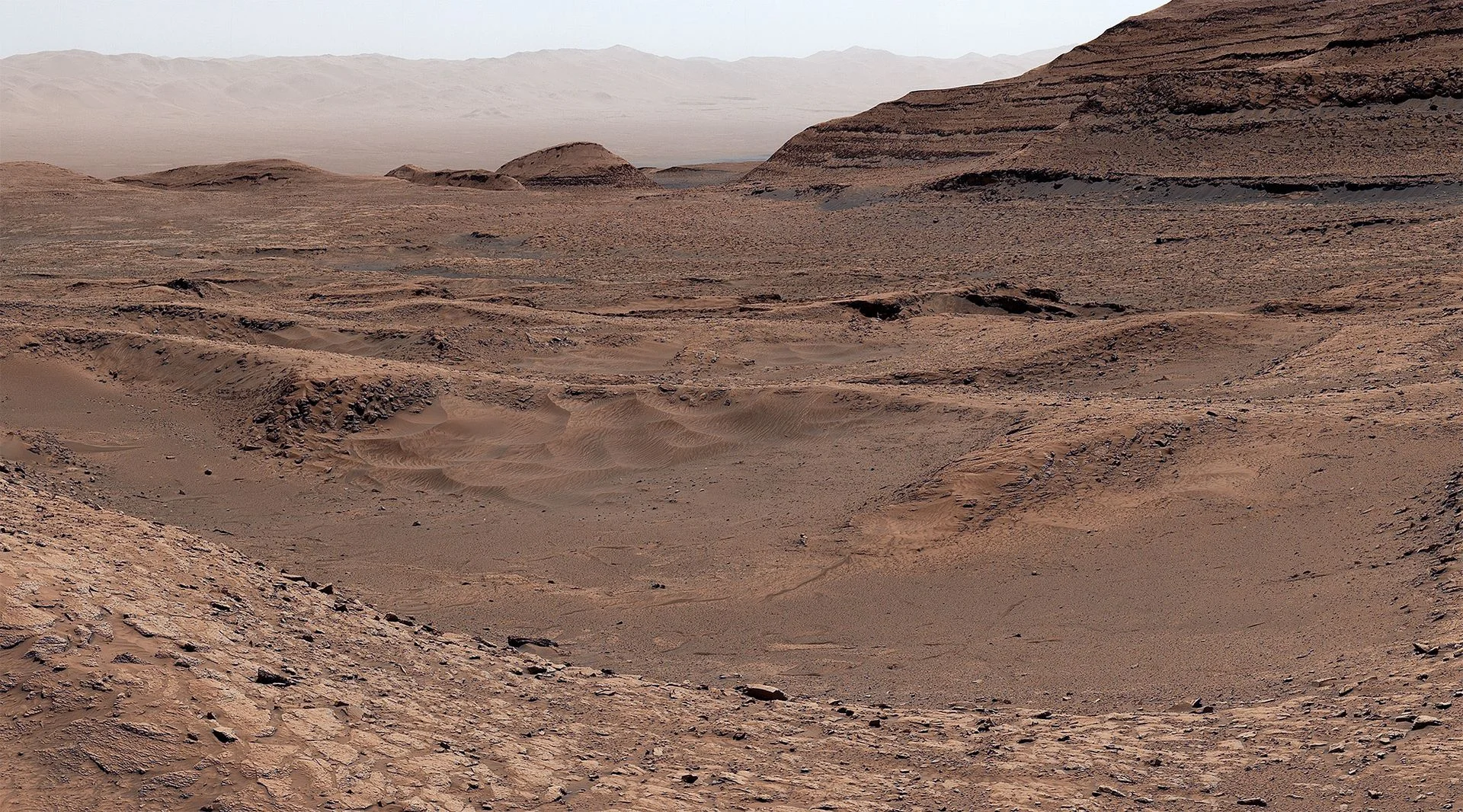
On September 26, 2025, Curiosity examined intriguing geological formations resembling stone spiderwebs. These natural structures, known as boxwork, were formed by water depositing minerals in cracks of the rock over millions of years, leaving a tantalizing glimpse into the ancient hydrological activity that once shaped the Martian landscape.
Curiosity's mission continues, with the rover setting its sights on further exploration of the Martian surface, keen on collecting more data in the quest to understand whether Mars ever had the necessary conditions to support life.
Discussion
Sign in to join the discussion.