Despite centuries of searching, Genghis Khan's grave remains undiscovered, with legends and challenges surrounding its potential location in Mongolia.
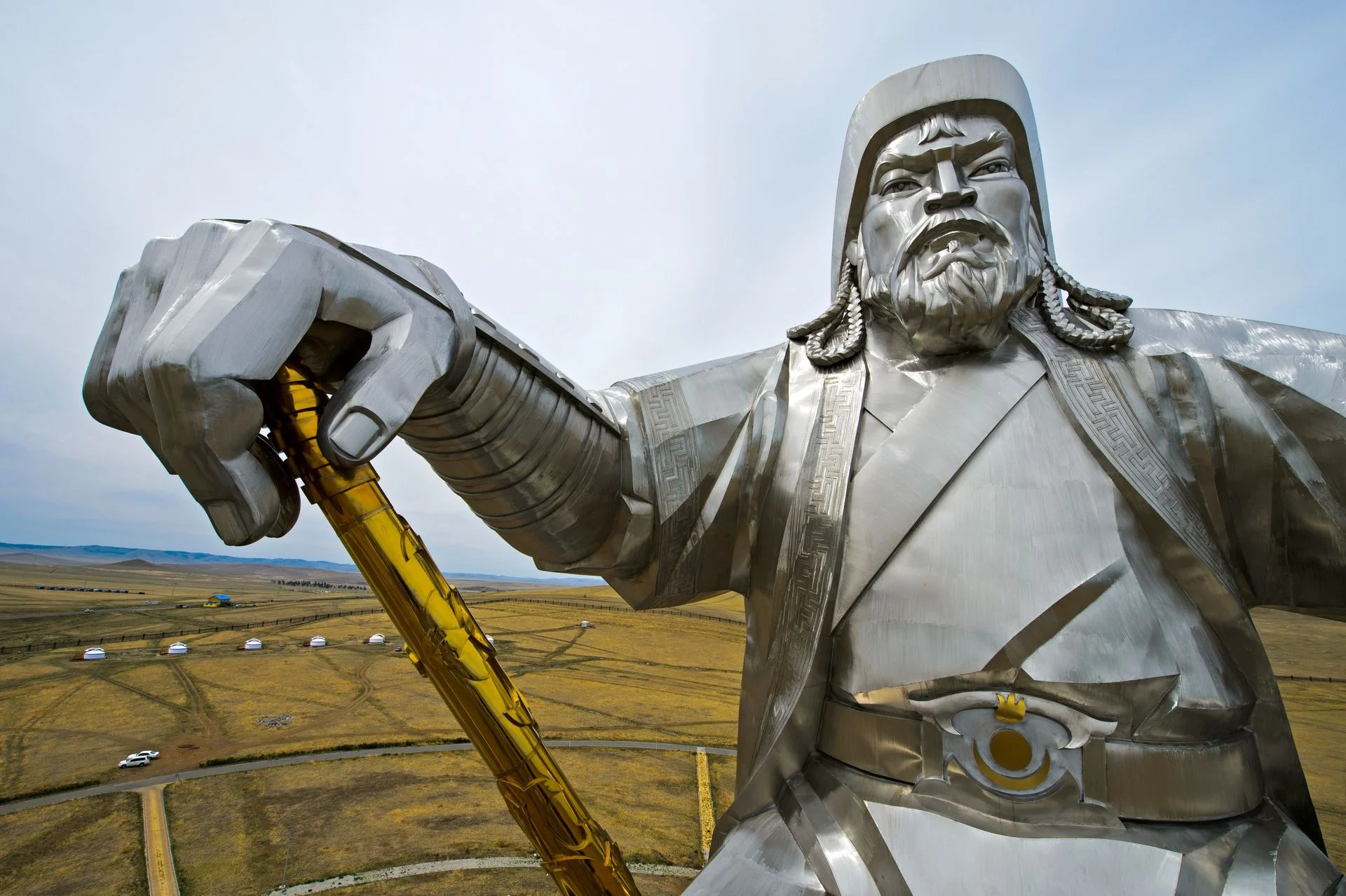
The quest to locate Genghis Khan's tomb has captivated historians and archaeologists for nearly 800 years, yet the resting place of one of history's most formidable conquerors remains a mystery. In his forthcoming book, The Museum of Lost Things: True Tales of Fabled Treasures, Legendary Cities, and Mythical Creatures That Vanished From History, Sam Kean delves into this enigmatical search and the rich legacy of a ruler known as the 'Disturber of the Universe.'
Genghis Khan: The Enigma of His Final Resting Place
Borne into a life of hardship around 1162 in Mongolia, Genghis Khan, originally named Temüjin, rose from adversity to establish an empire that spanned an astonishing territory, eclipsing that of the Roman Empire. His life was marked by brutal strategies and strategies that enabled the Mongol hordes to conquer vast regions with little more than 100,000 warriors. Among his noteworthy innovations were the promotion of religious tolerance and the establishment of a postal system — notable given the ruthlessness he often displayed. As he consolidated power, he also left a trail of legend, including an elaborate, secretive burial.
The Legendary Burials and the Secrecy Surrounding His Death
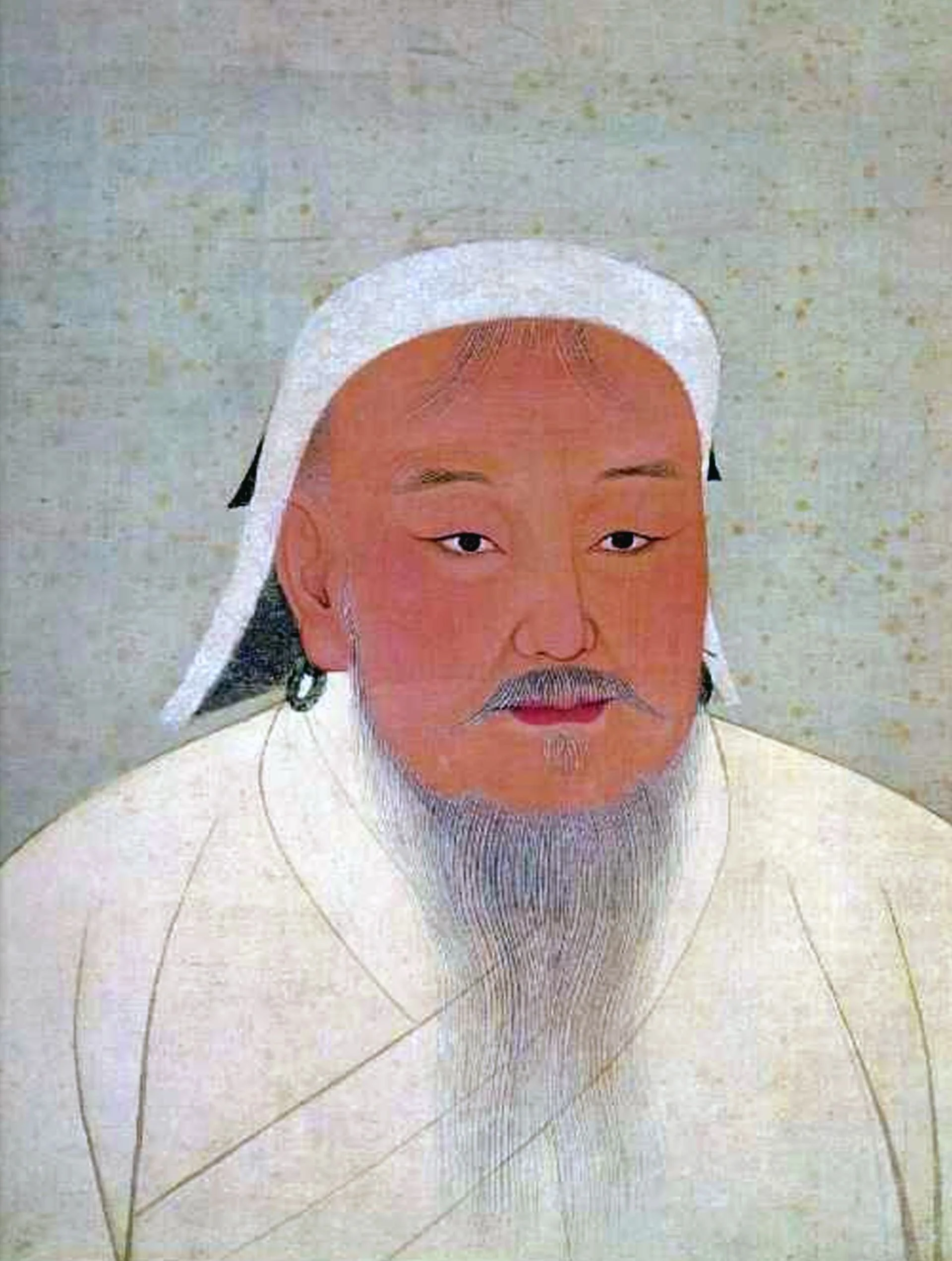
Following Genghis Khan's death in 1227, historical accounts fail to provide clear instructions about his burial. His death is cloaked in elaborate tales — some suggest a fall from his horse, while others describe a dramatic battle injury or even an assassination attempt by a captured queen. Regardless of the truth, his wife Yesui honored him with a burial steeped in ritual: he was dressed in a white robe, wrapped with fragrant sandalwood, and his body honored with ceremonial rites.
The Obfuscation of His Grave
Following his burial, a multitude of legends speak of the precautions taken to protect his final resting place. His soldiers reportedly slaughtered anyone who crossed their path during a 40-day trek to the site, further burying his location in mystery. Subsequent Mongol rulers established great secrecy around the area, declaring it off-limits and deploying a fierce group known as the Darkhad to guard the site. This enigmatic enforcement of silence persisted for centuries, almost bolstering the fascination surrounding Khan's grave.
Geographical Claims and Archaeological Efforts
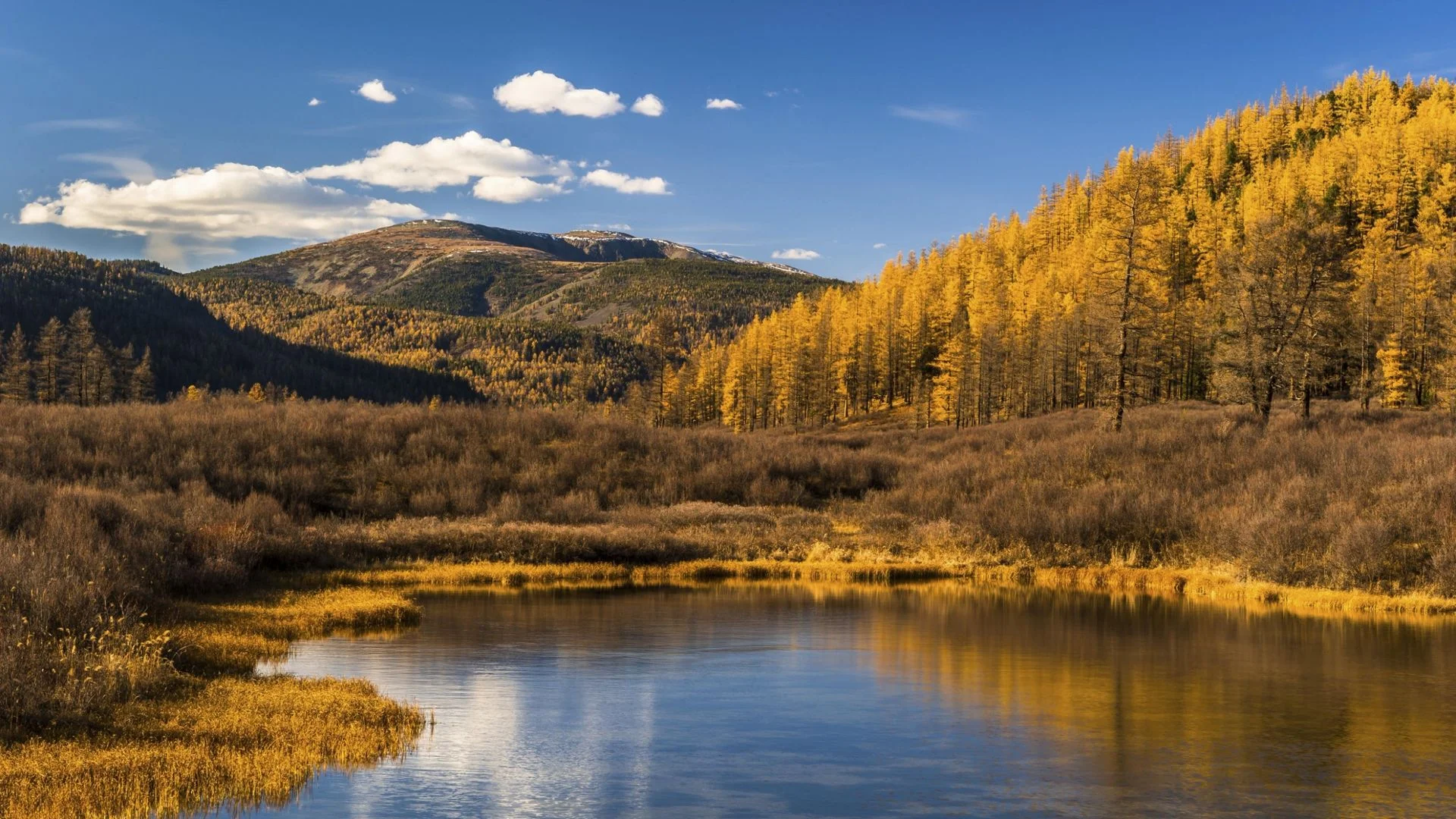
Four different nations — Mongolia, China, Kazakhstan, and Russia — have made claims about the potential location of Genghis Khan's tomb, with many pointing to Burkhan Khaldun, a mountain in northeast Mongolia. Revered during his life and frequently visited by Khan himself, this area increasingly emerged as the most plausible burial site. However, years of excavation and search efforts have yielded little more than speculation.
In recent years, advanced methods have been employed to locate Khan's final resting place. A notable 2010 initiative mobilized thousands of volunteers to sift through satellite imagery for signs of potential burial sites. They flagged over a hundred notable locations, yet the iconic figure remains elusive. The obstacles posed by the rugged terrain and the challenges of vegetation growth showcase how the natural environment has preserved the tomb's secrets.
The Ongoing Search: Challenges and Mystique
The harsh conditions of the region add another layer of difficulty for researchers. With extreme temperature fluctuations and treacherous landscapes, many who venture to investigate have faced serious risks, from injury to isolation. Despite advanced archaeological techniques and persistent efforts by dedicated teams, the search remains akin to looking for a needle in a haystack.
Continuing the Legacy
Despite the passage of time, the mystery surrounding Genghis Khan's tomb continues to evoke intrigue and determination. As countless individuals persist in their quest to unveil the secrets of the elusive grave, the profound irony remains: the very efforts to discover his final resting place only add layers of myth and complexity to his narrative.
Genghis Khan's legacy endures not just through the stories of conquest and innovation he left behind, but also through the enduring allure of his unknown final chapter, captivating the imaginations of generations who wonder what lies beneath the earth where the 'Disturber of the Universe' rests in peace.
Excerpted from The Museum of Lost Things by Sam Kean, published by National Geographic Partners, LLC, 2026.
Discussion
Sign in to join the discussion.