Catch the Harvest Moon rising near Saturn this weekend, a phenomenon steeped in tradition and astronomical significance.
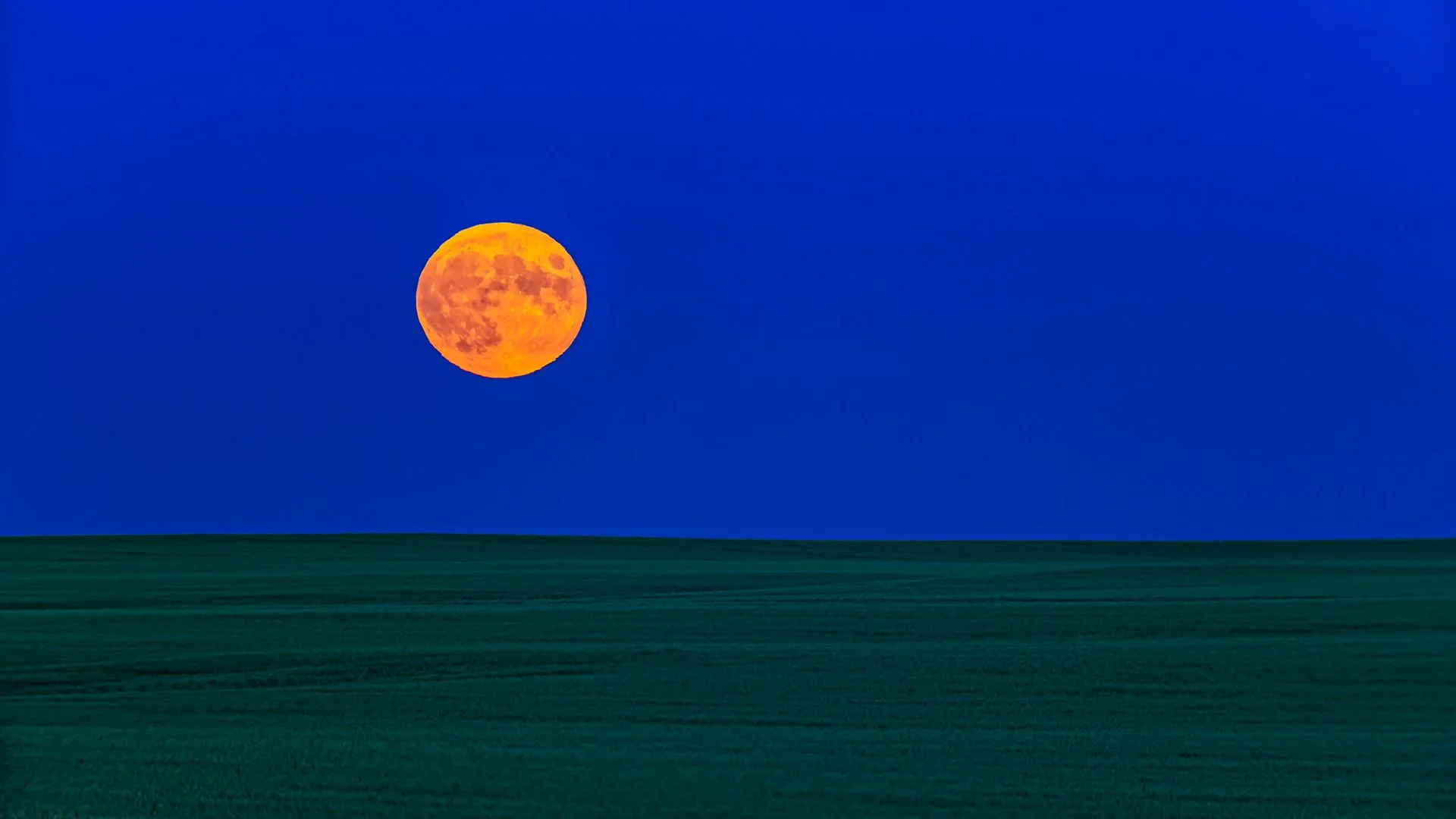
Experience the Harvest Moon Alongside Saturn
This Saturday, September 26, stargazers can look forward to one of the year's most iconic celestial events: the Harvest Moon. Officially reaching full illumination at 12:49 p.m. EDT, it will grace the eastern sky later that evening, visible in the constellation Pisces. This year, it shares the spotlight with Saturn, creating a captivating sight in the twilight. As if the moon itself isn't enough of a draw, the chance to see Saturn alongside it adds an extra layer of intrigue. The ringed planet, with its stunning features, will beckon enthusiasts and casual observers alike.
Harvest Moon Timing and Significance
The Harvest Moon is defined as the full moon closest to the autumn equinox, which fell on September 22 this year. Its timing aligns with the Mid-Autumn Festival, celebrated in various cultures, especially within Chinese and Vietnamese communities. Celebrations of the Harvest Moon often emphasize gratitude for the season’s crops, making it a time of communal feasting and family gatherings. Historically, this moon bears significance beyond mere nomenclature; its unique path during this time allows for brighter evenings, easing the harvest process before modern electrical lighting became the norm. For farmers, every bit of sunlight counts when it comes to gathering crops before winter sets in, which is why many cultures have attached such importance to this lunar phase.
The Geometry of Moonrise
Typically, moonrise times shift by about 50 minutes daily, but around the autumnal equinox, the moon's trajectory approaches the horizon at a gentler angle. This geometry means that the moon rises noticeably later each night, providing several evenings of bright illumination shortly after sunset—ideal for those gathering in the fields. This year's Harvest Moon will rise just 25 minutes later than on the previous night, allowing ample opportunity for skywatchers to soak in its glow. If you’re working in this space, understanding these patterns can inform how you plan gatherings or communal events that coincide with this lunar cycle. It’s fascinating how the natural world rhythmically guides human activity.
Spotting Saturn with the Harvest Moon
Adding to the visual delight will be Saturn, which will appear just below the Harvest Moon, easily visible to the naked eye without any equipment. The planet's rings, though distant, provide a mesmerizing spectacle even in the simplest observations. However, for those with telescopes or quality binoculars, the view promises to be particularly rewarding, enhancing the details of both the moon and the ringed planet. Saturn's distinct yellowish hue contrasts beautifully against the silver of the moon, creating a stunning tableau that draws astronomy lovers and curious onlookers alike. Choosing a spot with a clear view of the eastern horizon will offer the best vantage point for this celestial pairing. (and this is the part most people overlook) The setting and surrounding environment can make or break the experience of observing such celestial phenomena.
Looking Ahead: The Hunter's Moon
For those interested in future lunar sightings, mark your calendars for the next full moon, known as the Hunter's Moon, which will be visible around October 25 or 26, depending on your local time. It will also be a supermoon, making it larger and brighter than usual, a treat for enthusiasts and casual observers alike. This year’s Hunter's Moon continues the fall theme, harkening back to its origins where hunters would take advantage of the bright moonlight to track deer and other game. These seasonal moons resonate with age-old traditions, connecting us to a past where moonlight played a critical role in survival. Observing these celestial events not only inspires wonder but also invokes a sense of history and continuity.
The Significance of Celestial Events
These lunar events, while they may seem like simple astronomical occurrences, have layers of significance that can vary culturally and personally. For many, they serve as reminders of nature's rhythms and cycles. Observing the Harvest Moon or spotting Saturn can prompt introspection, celebration, or even anxiety about the past or future. The connection between celestial phenomena and human experience is profound. It’s more than just looking up; it’s about feeling anchored in something larger than ourselves.
Curious about lunar facts? Test your knowledge with our moon quiz!
Discussion
Sign in to join the discussion.