Lithium has stood the test of time as a primary treatment for bipolar disorder, effectively stabilizing moods and preventing relapse.
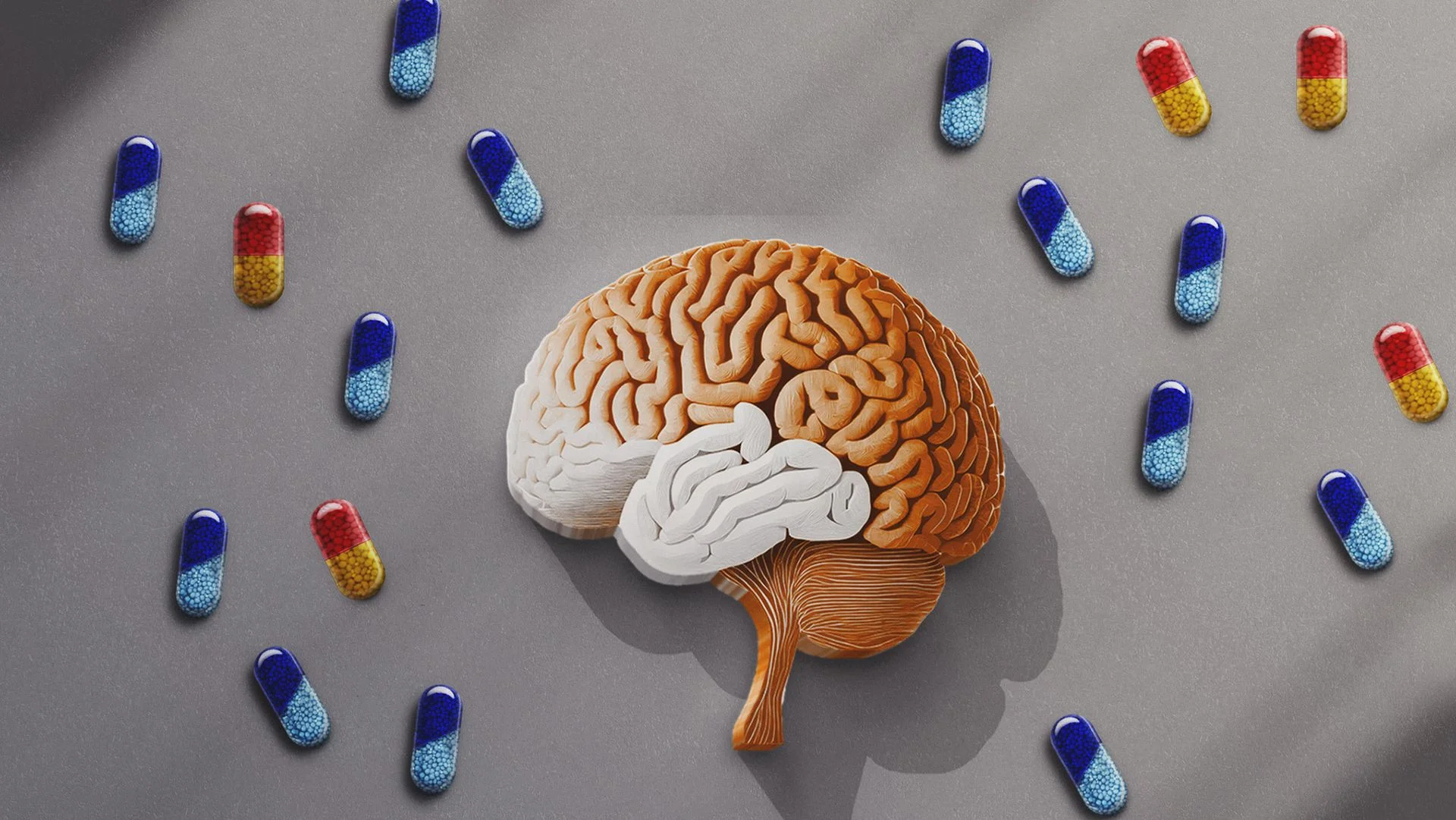
Lithium, often associated with modern technology like smartphones and electric vehicles, has a storied history as a leading mood stabilizer. It first emerged as a therapeutic intervention for bipolar disorder in 1949 and continues to be regarded as the gold standard in managing this multifaceted psychiatric condition.
Approximately 36 million individuals worldwide face the challenges posed by bipolar disorder, a complex illness marked by significant mood fluctuations and energy levels. Becci Strawbridge, a senior lecturer in psychological medicine at King's College London, emphasizes that lithium's straightforward nature helps navigate the intricacies of this enduring disorder.
Deciphering Bipolar Disorder
Bipolar disorder is clinically categorized by pronounced mood variances, which may involve manic, hypomanic, or depressive episodes. As Dr. David Cousins, a clinical senior lecturer at Newcastle University, explains, "experiencing mania itself is sufficient to have a diagnosis of bipolar disorder." Mania represents a stark contrast to depression, characterized by elevated moods, increased energy, and often reckless behavior, turning into a highly disruptive experience for those affected.
Given the oscillating nature of the disorder, treatment requires a careful balance. Interventions aimed at managing one emotional state can inadvertently exacerbate another. For instance, administering antidepressants without a corresponding antimanic agent could trigger mania or destabilize the patient's condition.
The Lithium Advantage
Unlike many treatments that target just one aspect of the disorder, lithium has a broader therapeutic range. It addresses both depressive and manic episodes effectively while primarily focusing on relapse prevention. Strawbridge notes that lithium's efficacy in maintaining stability is what sets it apart.
Prescribed in forms like lithium carbonate tablets or lithium citrate liquid, the active components dissociate into lithium ions within the body. This unique ability to function as a simple ion allows lithium to permeate brain cells effectively, a characteristic that enhances its mood-stabilizing impact. "Because lithium is quite a simple ion, it can disguise itself as sodium," Strawbridge explains, allowing it to enter brain cells where many other drugs typically act only on their surfaces.
Understanding Mechanisms and Effects
Once inside the brain, lithium interacts with various cellular functions, though its precise mechanisms remain elusive. Victoria Wing, a clinical lecturer at the National Institute for Health and Care Research, points out that the monoamine system—vital for regulating mood molecules like dopamine and serotonin—often becomes disrupted in bipolar patients. This disruption can manifest as either overactivity or underactivity, depending on the specific episode occurring.
Additionally, lithium inhibits glycogen synthase kinase 3, an enzyme influencing numerous biological processes such as gene expression, circadian rhythms, and inflammation management. Wing explains that lithium may aid in autophagy, the process by which cells eliminate debris and toxins, while also exhibiting antioxidant properties that bolster mitochondrial function essential for cellular energy.
Limitations and Considerations
Despite its successes, lithium treatment is not without challenges. Approximately one-third of patients experience substantial improvements, while another third may show only modest progress, and the final group might not respond at all. It's critical to identify responsive patients quickly, especially given that the cyclical nature of bipolar disorder can obscure the drug’s long-term effectiveness over time. The narrow therapeutic window for lithium—a limited range between effective and toxic doses—poses additional risks, particularly for kidneys and thyroid health. Some side effects, such as frequent urination and tremors, have also been reported.
Furthermore, it's essential to weigh the potential of lithium against alternative treatments, which also carry their own set of risks. Careful management is key, and when done correctly, lithium can significantly enhance the quality of life for many patients. Wing’s interactions with those affected reveal that for many, lithium has been a lifesaver. "We know it works, but can we fine-tune its use to benefit more individuals?" she poses, an inquiry that underscores the persistent quest for effective bipolar disorder treatments.
This article is for informational purposes only and is not meant to offer medical advice.
Take a deep dive into your knowledge of the human mind with our brain quiz!
Discussion
Sign in to join the discussion.