A New York woman's five-year battle with mobility issues was finally attributed to a rare autoimmune disorder called stiff person syndrome.

The Patient: A 50-year-old woman from New York faced severe mobility challenges.
The Symptoms: She arrived at the hospital after months of debilitating symptoms, including the inability to bend her legs, walk, or sit up. Accompanying these issues were chronic lower-back pain, recurrent episodes of fever and chills, and significant unexplained weight loss of over 30 pounds.
Her Medical Journey: The patient's ordeal began a month prior when she sought medical help for persistent back pain and knee stiffness. She noted these discomforts first appeared approximately five years earlier, gradually increasing in intensity. Initially treated with ibuprofen and physical therapy, her symptoms continued to progress, leading to her current state where even bed mobility was impossible.
During her first hospital visit, lab tests indicated normal white blood cell counts and no infectious processes. Tests for autoimmune diseases revealed no evidence of rheumatoid arthritis, Lupus, or conditions such as Sjögren's disease. As her symptoms deteriorated, she returned to the hospital for further evaluation.
At her second visit, despite normal arm mobility, leg stiffness hampered further assessments. Attempts to flex her knee were met with pain and muscle contraction, making it clear that traditional examinations were insufficient.
The Diagnosis: Based on her evolving symptoms and earlier test outcomes, the healthcare team suspected she had stiff person syndrome (SPS), a rare autoimmune neurological disorder. This condition disrupts the nervous system's ability to control muscle activity and leads to painful spasms and contractures. The identification of high antibody levels against the enzyme glutamic acid decarboxylase (GAD) provided further evidence. Elevated levels of these antibodies are found in about 80% of individuals diagnosed with SPS, suggesting that her condition was likely affecting the production of the neurotransmitter GABA, crucial for normal muscle relaxation.
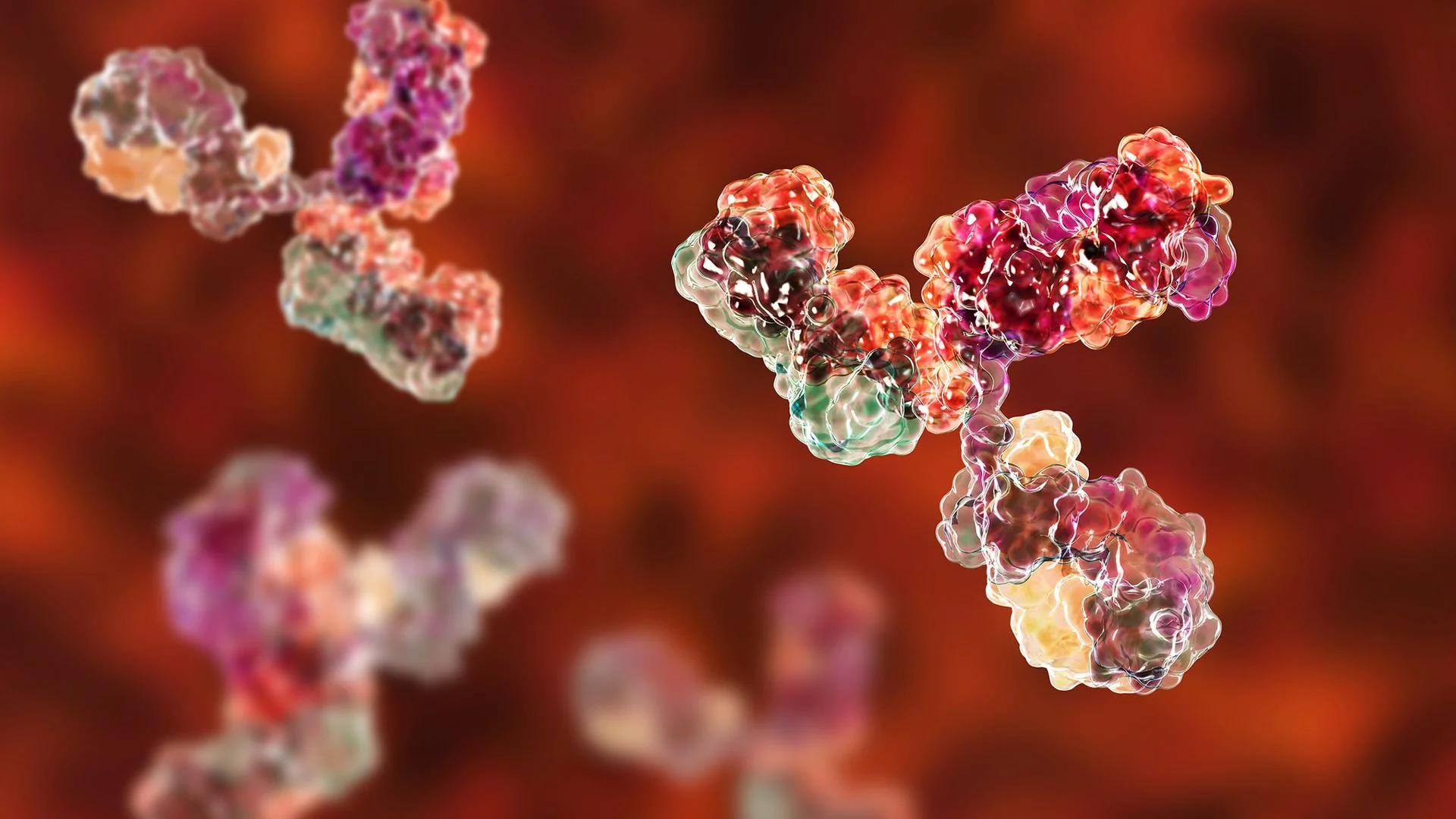
The Treatment: While there’s currently no cure for SPS, treatments aim to manage and slow the disease's progression. The patient was administered intravenous immune globulin, a common therapy for autoimmune disorders, alongside rituximab, which attenuates specific immune cell activity. She was also prescribed prednisone, gabapentin, and diazepam, in addition to a tailored physical therapy program aimed at alleviating muscle spasms.
Remarkably, her condition showed significant improvement within days. By the time of her discharge, she regained some mobility, managing to turn in bed and flex her hips and knees with assistance. Follow-up three months later revealed her ability to stand unassisted and walk with a rolling walker.
To maintain her health, her doctors adjusted her steroid dosage while keeping her on diazepam, gabapentin, and monthly infusions of immune globulin, along with semiannual rituximab treatments.
What Makes This Case Noteworthy: Stiff person syndrome affects an estimated 1 to 2 individuals per million annually, but new estimates suggest the prevalence might be higher. Its rarity, coupled with a gradual onset of symptoms, often leads to misdiagnosis, complicating timely treatment. The complexities of SPS are underscored by the challenge health professionals face in understanding its progression and mechanisms.
Unfortunately, many patients face a lengthy diagnostic process, often taking up to seven years following the onset of symptoms, primarily misidentified as psychiatric or other neurological disorders, including dystonia and multiple sclerosis. SPS predominantly strikes those aged 40 to 50 and is more common in women. Notable figures, such as singer Celine Dion, have brought awareness to this condition, sharing their struggles with severe muscle spasms that affected their daily lives.
This content offers insights into a rare medical disorder and should not be construed as medical advice.
Can you guess the diagnosis in these strange medical cases? Find out with our diagnostic dilemma quiz!
Discussion
Sign in to join the discussion.