Exploring how ancient cultures interpreted fossils, this article reveals their initial beliefs in giants and resistance to the concept of extinction.
The timeline of mammalian evolution is a fascinating chapter of Earth's history. Over 200 million years ago, mammals, true to their small size, coexisted with dinosaurs. However, following the cataclysmic asteroid impact 66 million years ago, mammals began to flourish, marking the start of the Cenozoic Era.
The understanding of mammals' place in history evolved along with anthropological and geological knowledge. In "The Story of the Mammals in 25 Discoveries," Donald R. Prothero delves into historical misinterpretations of fossil finds, revealing a past steeped in mythology and erroneous beliefs about extinction.
Mythical Giants and Misguided Interpretations
Throughout history, various cultures crafted stories of enormous humans, often portrayed as titans in conflict with the divine or victims of cataclysmic events. These legends were reinforced by the discovery of unusually large bones across Europe and the Mediterranean. The philosopher Empedocles, for example, brought to light purported giant bones found in Sicily, attributing them to mythical beings.
Roman scholars like Pliny the Elder documented their own findings, identifying fossilized ivory and bones that ignited imaginations. Emperor Augustus reportedly possessed a collection of these immense bones from Capri, leading many to speculate that they belonged to the legendary Cyclops, particularly upon viewing the holes in elephant skulls that seemed to resemble a singular eye.
Medieval Folklore and the Fear of Extinction
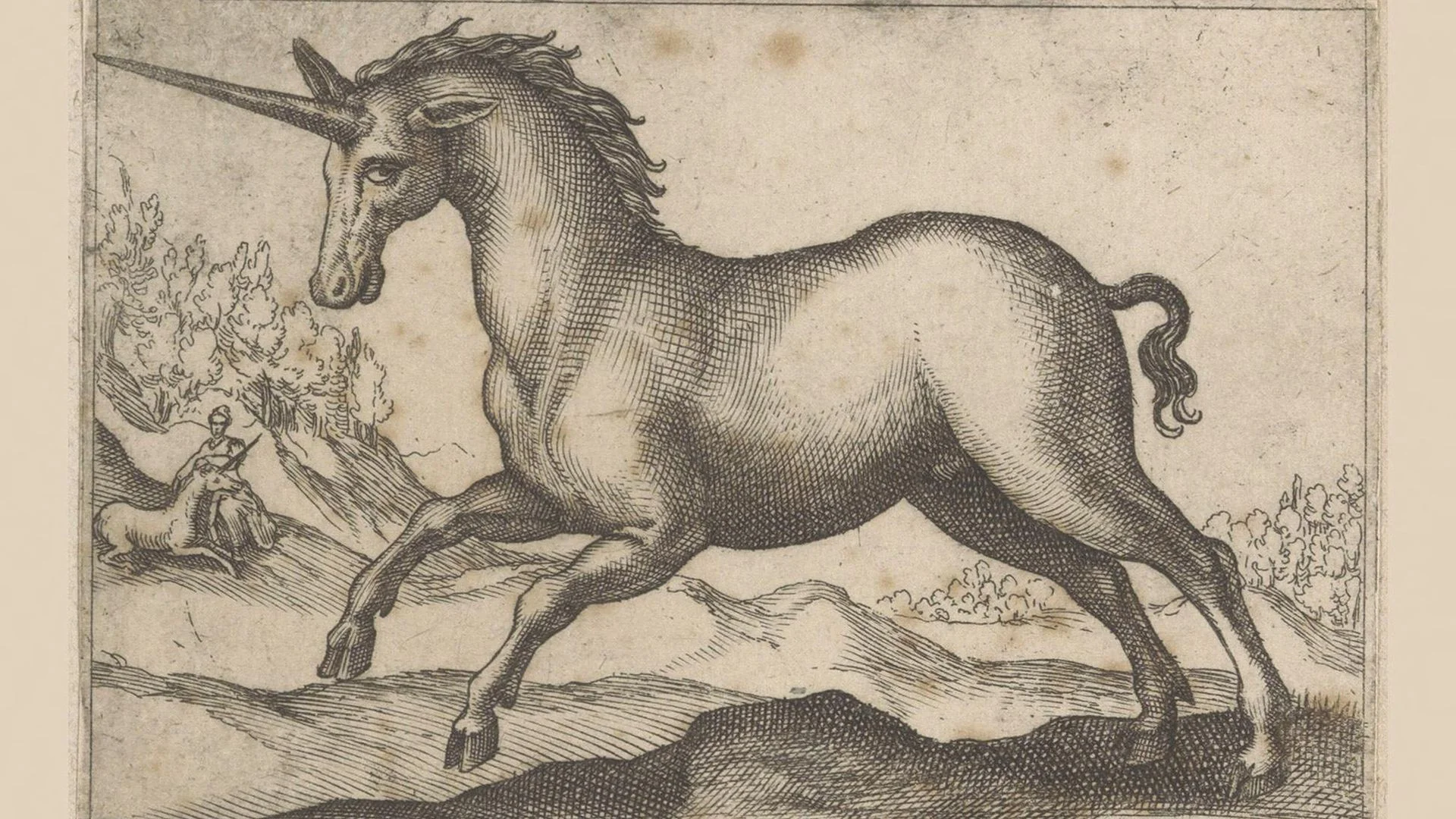
As the years passed into the Medieval period, beliefs surrounding these giant bones shifted but remained equally fantastical. Some attributed them to monstrous creatures plunged into oblivion by the Great Flood, while others suggested that tusks found in Siberia were evidence of unicorns or dragons. In these narratives, fossil findings were often viewed through a spiritual or mythical lens rather than a scientific one.
During the early 17th century, cranial remains unearthed in France were showcased as belonging to the giant Teutons, who were defeated by the Romans. This fabrication sparked contentious debate among scholars. Renowned anatomist Riolan, however, posited that these bones were likely from elephants. The ensuing argument, rife with speculation and unscientific thought, lingered for years, leading many to cling to the belief in prehistoric giants and reject notions of extinction.
New World Discoveries and Cultural Reactions
The New World offered new layers of confusion. Native American tribes attributed fossil remains to enormous beasts from their folklore, further complicating European interpretations when they arrived. Initially, settlers regarded these finds as evidence of the biblical giants. Notably, Hernan Cortez received a bone from Mexican locals, sending the relic back to Spain with claims validating the existence of giants in the Americas.
In the early 1700s, regional evidence emerged which pointed away from these tales of giants. Interpretations gradually began to shift as scholarly discussions queried the existence of these fantastical beings. The tension between scientific inquiry and religious doctrine became pronounced, especially as scholars like Reverend Cotton Mather sent found bones to the Royal Society in an effort to validate beliefs in giants drowned during Noah’s Flood.
Changing Perspectives: The Rise of Natural History
Into the late 18th century, the discovery of fossils revealing previously unknown creatures reflected a significant shift in thought. While many refused to relinquish their convictions about living counterparts for these giant bones, naturalists became increasingly aware that some fossils lacked any modern equivalents. The realization of extinction was unsettling for those clinging to a Genesis-centered worldview.
As exploration expanded, more definitive fossils began to surface. Among the notable finds was a trove of bones from Kentucky, known as Big Bone Lick, which primarily resembled those of mastodons. Franklin and contemporaries were drawn to the peculiar teeth found amidst these fossils, pondering their lineage and diet; however, many remained unfazed by the notion of extinction.
The Pioneers of Paleontology
By the late 1700s and early 1800s, scientists like Georges Cuvier began establishing foundational principles of paleontology. Cuvier's pioneering work in comparative anatomy demonstrated that features of extinct species could be accurately deduced from fossil remains. His recognition of the mastodon as a unique entity distinct from modern elephants marked a pivotal moment in the understanding of vertebrate paleontology.
Cuvier's “law of correlation of parts” proposed that certain anatomical features align predictably within animal classes. This understanding not only enhanced the classification of fossils but also paved the way for recognizing the reality of extinction. His research ultimately challenged previous theological dogmas, leading to a reevaluation of humanity's interpretation of Earth's history and the creatures that once inhabited it.
As scientifically sound ideas gained traction, the old tales began to fade, giving way to a growing acknowledgment of extinct species as an integral part of Earth's narrative. The shift laid the groundwork for future discoveries and opened the door for modern paleontology, ultimately reshaping our understanding of prehistoric life and our own lineage within this complex tapestry.
Through these historical misinterpretations and gradual realizations, the story of mammals continues to unfold, emphasizing the critical intersection of folklore, mythology, and science that shapes our comprehension of the past.
Discussion
Sign in to join the discussion.