A recent study reveals that memory retention during hibernation relies on connectivity patterns rather than individual synapse strength, challenging previous assumptions.
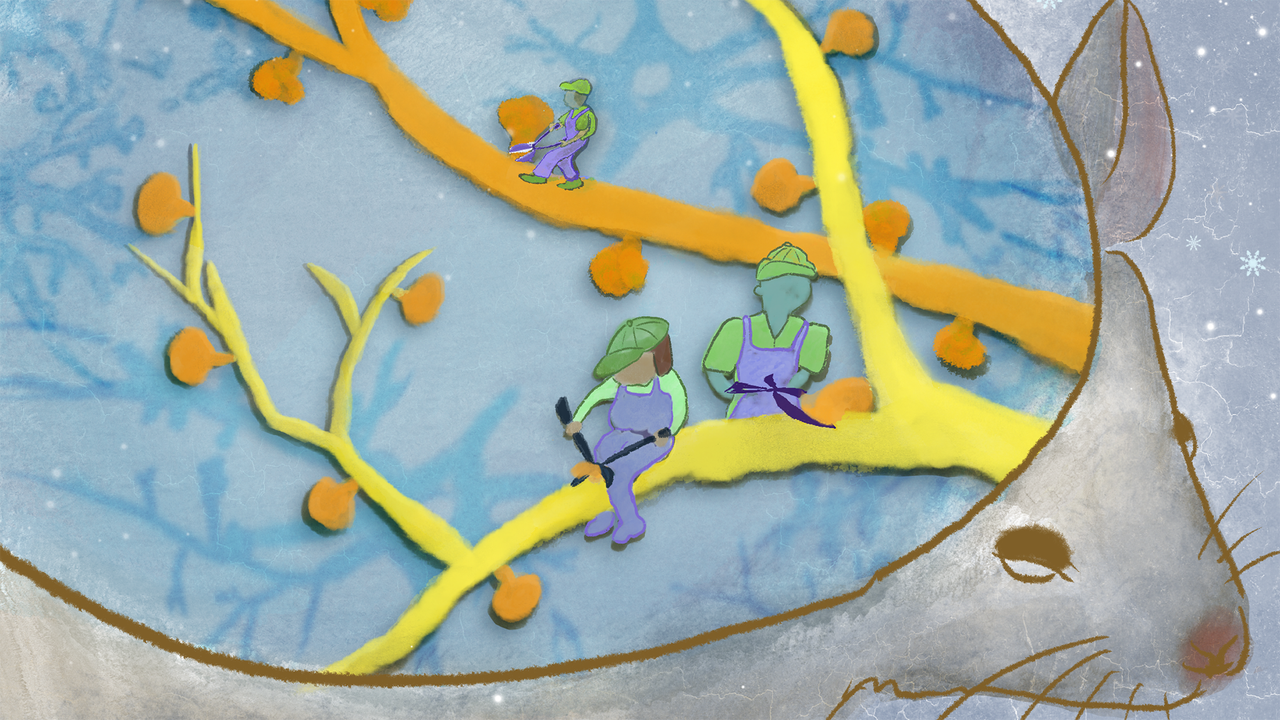
Recent research on mice undergoing artificial hibernation has upended longstanding beliefs about how memories are retained in the brain. The study suggests that instead of depending on numerous strong connections between neurons, long-lasting memories rely more on the overarching patterns formed within neural networks. This revelation challenges the conventional wisdom that memory retention is primarily about the strength of individual connections, a topic that has dominated neuroscience discourse for decades.
"This topological architecture of the broader network seems to be more important," explained Kazumasa Tanaka, co-author of the study and head of the Memory Research Unit at the Okinawa Institute of Science and Technology. Their findings were published in the journal Science on August 13. The timing of this study is particularly striking, as the field of neuroscience is increasingly recognizing the complexities of memory mechanisms.
Understanding Hibernation's Impact on Memory
Studying hibernation offers unique insights, as past observations indicated that animals' brains tend to undergo shrinkage during these periods of reduced metabolic activity. Notably, species like alpine marmots and European ground squirrels appear to retain significant memories even after such changes take place. This adaptation raises important questions about the evolutionary advantages of memory preservation during extreme conditions.
The new research aimed to dissect why memories appear to persist despite synaptic loss. The scientists used mice to obtain new associative memories, including learning specific locations in a maze and associating settings with mild shocks. Following the memory acquisition, the mice were placed into a hibernation-like state, achieving this by activating specific neuronal circuits known to induce hibernation. This innovative approach allows scientists to observe how memory operates under conditions that mimic a natural survival mechanism.
What transpired was surprising: significant synaptic pruning occurred, with more than half of synapses disappearing within 24 hours. Yet, when the hibernating mice were reintroduced to environments associated with their prior learning, they successfully recalled the memories—demonstrating behavioral indicators that their memories remained intact. This finding suggests that the mechanisms behind memory retention may be more intricate than merely focusing on neural connections.
Differentiating Memory Recall Mechanisms
To pinpoint the factors allowing memory retention during hibernation, the research contrasted the hibernating mice's experiences with a control group placed under long-term anesthesia. Despite similar synaptic loss, the anesthetized mice struggled to recall learned tasks, highlighting a pivotal distinction. The contrast between the two groups underscores the idea that the brain's active states play a significant role in memory retention, even in scenarios that mimic memory-destroying conditions.
Upon closer inspection, the hibernating mice maintained certain clusters of synapses that resembled connectivity hubs. These clusters allowed single neurons to communicate with multiple neighboring neurons, creating a more resilient network amidst the pruning process. Interestingly, this phenomenon did not apply to the anesthetized group, where synaptic structures were severely disrupted. The implications here are profound: if specific configurations facilitate memory retention, this might redefine how researchers approach memory-related disorders in the future.
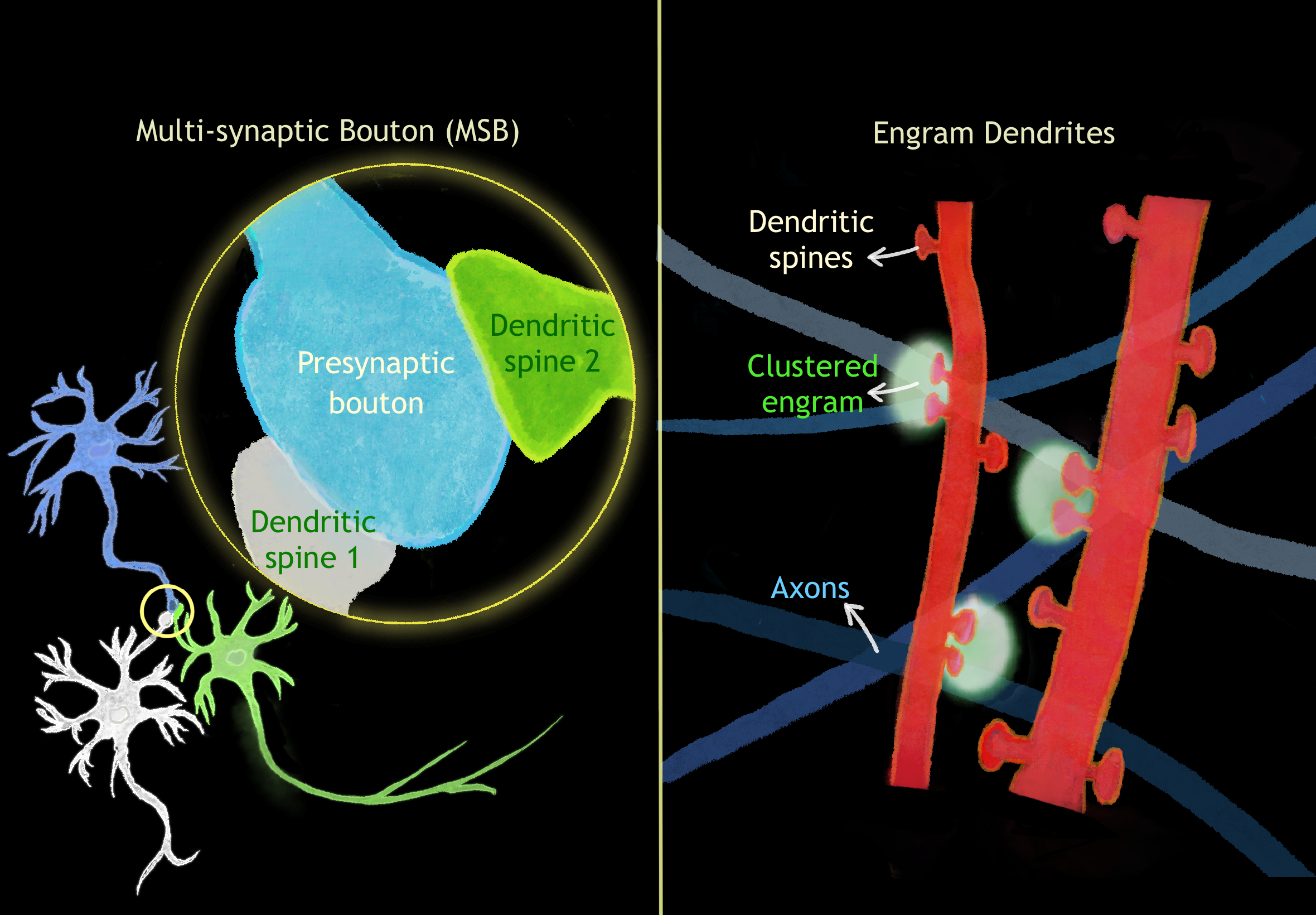
This resilience appears to stem from specific configuration patterns rather than merely the strength of synaptic connections. The spatial arrangement likely plays a critical role in memory durability, a path that Tanaka and his team are eager to explore further. The prospect of mapping these configurations could lead to breakthroughs in both biological and artificial memory systems. And this is the part most people overlook: the connections we haven't yet discovered might hold the key to deeper understanding.
Potential Implications and Future Directions
Looking ahead, the researchers plan to analyze the molecular characteristics of the resilient synapse clusters and explore manipulation strategies to further understand their impact on memory. Tanaka also suggested that insights from this study might inform future designs for data storage systems, drawing parallels between biological memory networks and artificial memory storage methods. Designing storage systems inspired by neural configurations makes sense; nature has had millions of years of trial and error.
Ultimately, this research enriches the narrative surrounding memory retention, suggesting a more nuanced interplay between neural connectivity and memory persistence. "With this study," Tanaka remarked, "we just opened up another door to tackle this problem." The findings are not just relevant for neuroscience—they may also have broader implications for understanding memory and data systems, highlighting the value of interdisciplinary exploration in tackling complex problems.
The Significance of This Research
What this means for you, whether you're a neuroscientist or someone interested in memory technology, is profound. As we begin to unpack these findings, it raises important questions about how memory works, both biologically and practically. If the architectures guiding memory retention can be understood and replicated, the future of memory—biological and artificial—could be transformed. This area of study is likely to gain momentum, and the broader scientific community will be watching closely. The implications for cognitive science, artificial intelligence, and even therapeutic approaches to memory-related conditions may be unfolding right before our eyes.
Discussion
Sign in to join the discussion.