A new study highlights that maintaining mature tree cover in urban neighborhoods may significantly reduce mortality rates compared to planting new trees.
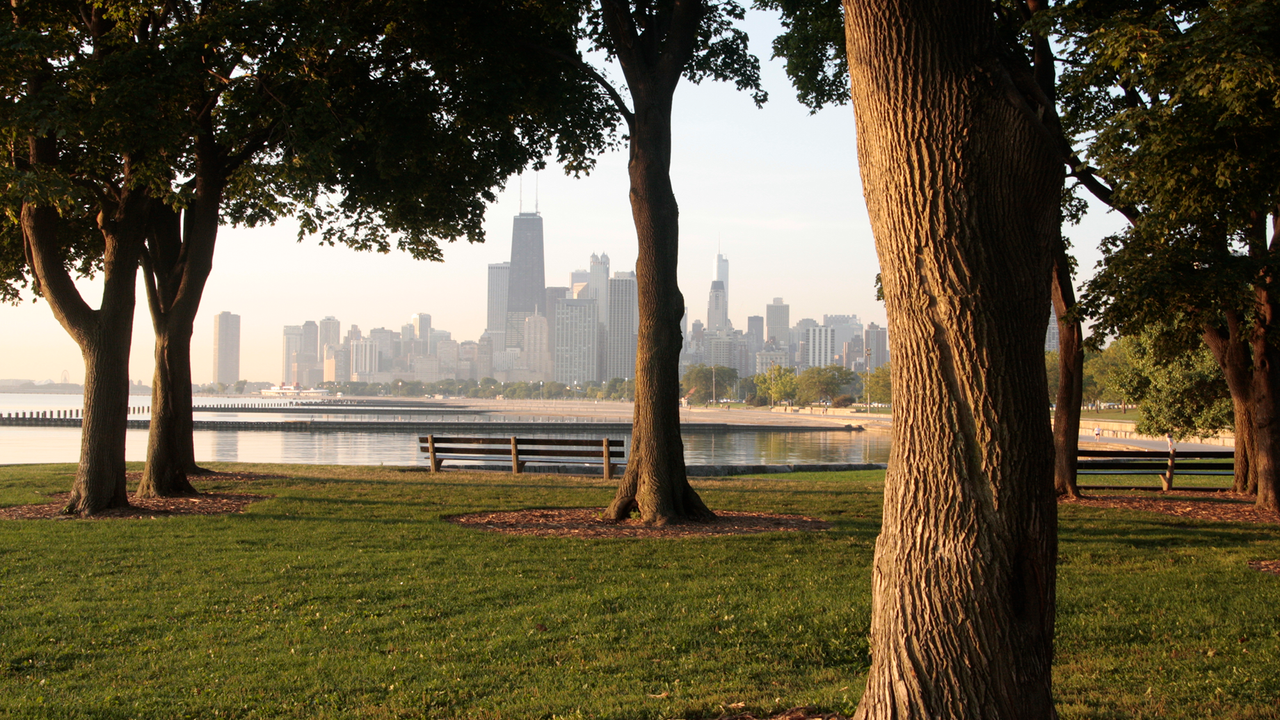
A recent study suggests that the decline of mature trees in urban neighborhoods could have dire health implications. Published on August 5 in the journal GeoHealth, the research focused on tree canopy changes in Chicago, monitoring these shifts alongside mortality rates over an 11-year period.
Findings revealed that the key metric affecting residents' health is not merely the number of trees present but rather changes in overall tree canopy coverage. Neighborhoods that experienced continual canopy loss saw a corresponding increase in death rates, particularly pronounced in the city's hottest areas. In contrast, areas that gained tree cover exhibited declines in mortality.
While the study does not definitively prove that tree loss causes higher mortality, it establishes a correlation that adds weight to existing research demonstrating the vital role urban vegetation plays in shielding populations from extreme heat. Trees lower temperatures by providing shade for buildings and streets and releasing moisture into the air.
One of the noteworthy aspects of this research is its methodology. Unlike previous studies that relied on static snapshots of vegetation, the authors tracked annual changes in canopy cover. This longitudinal approach provides insights into how year-to-year variations in tree density relate to health outcomes, as noted by Vivek Shandas, an urban studies professor at Portland State University.
Previous research indicated a link between tree cover and mortality but often did so without considering the relevant dynamics over time. This study dives deeper, illustrating how specific increases in tree canopy correlate with notable drops in mortality rates—about 10% for each percentage point increase in canopy cover. These decreases were most significantly observed in deaths related to respiratory, cardiovascular, and mental health issues.
The researchers utilized satellite data to track annual tree coverage across Chicago's census tracts from 2011 to 2021, integrating this with more than 220,000 death records from local health departments. They controlled for various factors, including summer temperatures, air pollution, socioeconomic status, and patterns of residential segregation known to contribute to health disparities.
By categorizing neighborhoods based on their canopy coverage, they effectively illustrated the connections between canopy changes and health outcomes, identifying areas most affected by tree loss. The results emphasized the existing disparities in canopy cover across Chicago; the South and West Sides faced significant canopy losses and mortality spikes, while cooler lakefront communities tended to maintain healthier tree coverage.
As robust as the study's design is, limitations remain inherent to observational research. The data illustrates a correlation but doesn’t conclusively prove causation. Also, the reliance on satellite imagery could miss newly planted trees, thus underestimating the benefits of tree canopy.
While shade from trees is a critical factor, previous data points to broader health impacts linked to tree canopy loss, indicating that the benefits of trees extend beyond mere temperature regulation.
The study's patterns reflect Chicago's historical disinvestment trends, highlighting inequities in tree cover and health outcomes in various neighborhoods.
Study co-author Harrison Garcia, a medical student at Northwestern University, drew on personal experience during the research process, noting how exhausting traversing areas with limited tree cover felt compared to those lined with mature trees.
The team also modeled a hypothetical situation in which tree canopy increased by 0.03% annually—akin to Chicago's current rate of planting 14,000 trees each year—and predicted that this could prevent roughly 105 deaths annually due to canopy expansion. Shandas cautioned against interpreting this number as a precise prediction, given it originates from statistical models rather than empirical tree counts and resultant life-saving impacts.
He emphasized that while newly planted trees don’t offer the immediate benefits of their mature counterparts, ongoing research continues to highlight that protecting existing trees is vital and may prove more beneficial to urban health than merely focusing on new plantings.
Discussion
Sign in to join the discussion.