Recent findings at a cave in eastern Spain reveal more than 120 Latin inscriptions, shedding light on the worship of a mysterious goddess known as "the Lady."
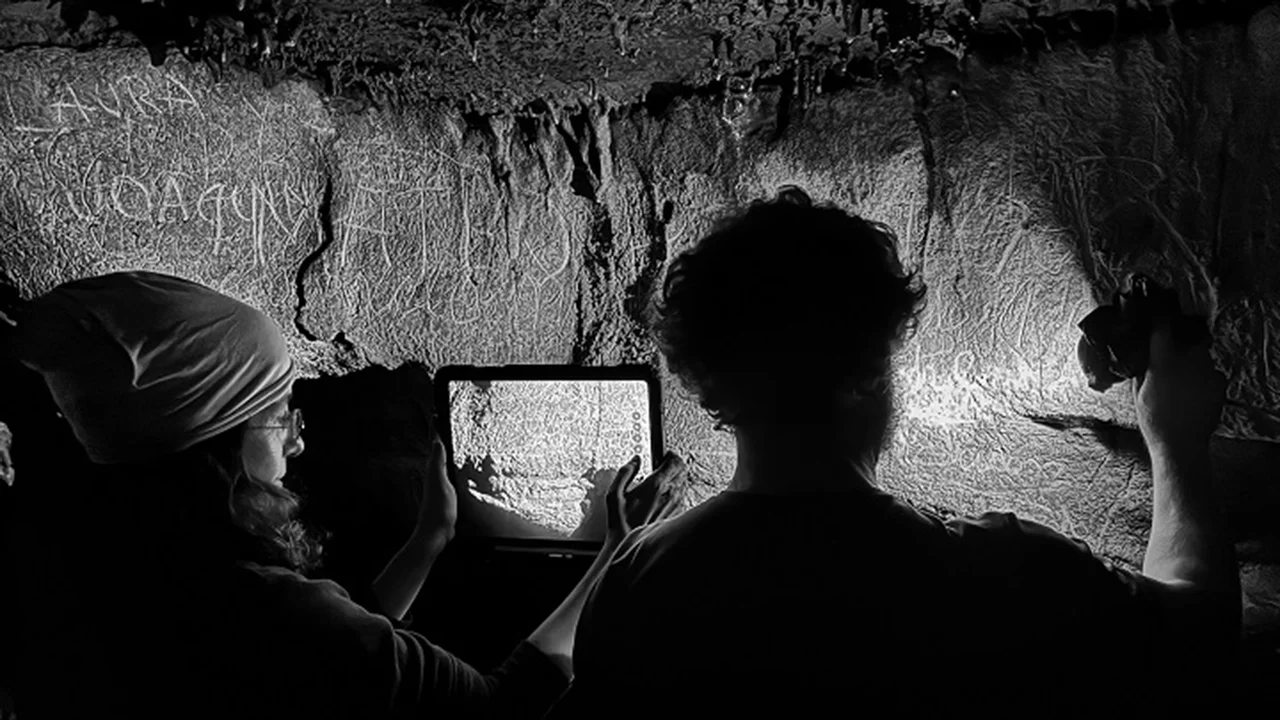
A cave in eastern Spain, known as Cova de les Dones, has made headlines after archaeologists documented over 120 Latin inscriptions, making it the richest site for such texts across the Roman Empire. Discovered during excavations in 2026 near Valencia, this trove includes references to a previously unidentified goddess, simply titled "the Lady."
Context of the Discovery
Initially, only 15 inscriptions were noted in 2024, but the recent findings significantly enhance our understanding of the site's historical context. Cova de les Dones sits at a crossroads of cultural intersections, influenced by the Romans, and as such, the inscriptions offer a glimpse into the religious practices that permeated life in this region. Most of the inscriptions date back to the first and second centuries A.D. and are found adorned on the walls and ceilings of what researchers have dubbed the Roman Sanctuary.
This kind of textual collection could reshape our perspective on religious life in the Roman provinces. Sites like this are not just repositories of artifacts; they reflect the social and spiritual fabric of their communities. The concentrated nature of these inscriptions suggests that Cova de les Dones wasn't merely a random site of worship but likely a focal point for dedicated religious gatherings.
Who is "the Lady"?
Among the 120 inscriptions, five specifically name Domina, while three uniquely include the name "Malaci," possibly an epithet associated with the goddess. This indicates that the figure worshiped here might hold unique attributes, potentially connected to water, a vital resource that ancient peoples often associated with fertility and nourishment. Such associations could have held significant cultural weight in this agricultural society, which depended on water cycles. According to Silvia Alfayé, a professor of ancient history at the University of Zaragoza, the water-related attributes of "the Lady" suggest a multi-faceted divinity.”
As researchers study the inscriptions’ language and context, they might unveil more about her identity and the dynamics of worship surrounding her. The sanctuary's chamber showcases natural pools, known as gours, which collect groundwater. Archaeologists have proposed that offerings may have been deposited in these pools, although it remains uncertain whether these were intended for "the Lady" or other deities. This ambiguity adds an intriguing layer to the site's already complex narrative—who exactly commanded reverence here?
Indications of a Goddess-Worshipping Cult
In addition to the inscriptions, various archaeological artifacts have been unearthed, including chalice-shaped vessels, jewelry such as rings and bracelets, and remnants of ceramics, all suggesting a strong female presence in the rituals conducted there. The discovery of female names in several inscriptions further supports the notion that women actively participated in the site's ceremonial practices. This complicates traditional narratives that often place male deities at the center of religious life in ancient cultures.
More than just gender representation, the presence of spindle whorls indicates that textile production—often associated with ancient women—was integral to the activities that unfolded within the cave. These artifacts imply that practical skills and artistic expressions were valued elements of the worship experience. Together, these findings imply a significant role for women in the cult worshiping the enigmatic goddess. What this means for you is that historians may need to reassess how gender dynamics shaped ancient religions.
Continuing Excavations and Discoveries
As researchers work towards deciphering more inscriptions, additional insights about "the Lady" and her followers may emerge. The finds enrich our understanding of Cova de les Dones, a site already known for housing over 100 Paleolithic paintings and engravings, some dating back over 24,000 years. That’s a remarkable span of human activity, continuously redefining the cave's historical importance.
The ongoing excavations continue to illustrate how Cova de les Dones has served as a critical landmark across various epochs of human history, highlighting its significance in the region's cultural development. Researchers have collected enough evidence to make the site a focal point for future archaeological studies.
Implications and Future Outlook
The discoveries at Cova de les Dones suggest more than just an intriguing archaeological find. They challenge our conventional understanding of ancient worship practices, particularly regarding gender. If we consider that women may have played a significant role in these rituals, we could be looking at a paradigm shift in how we interpret female agency in historical religious contexts.
Excavations will continue, and as researchers unravel more inscriptions, they may unveil behaviors, rituals, and societal structures that expand our knowledge of the era. If you're working in this space or following historical studies, keep a close eye on this site. The implications of this cave's discoveries are far-reaching. The intersection of ancient spirituality and gender dynamics could lead us to question not just who was worshiped, but how religious practices were entrenched in the social lives of those who lived there.
Discussion
Sign in to join the discussion.