At 12, Madi Allen survived flu complications that damaged her lungs and kidneys. Her recovery took years, and eventually part of her lung was removed.
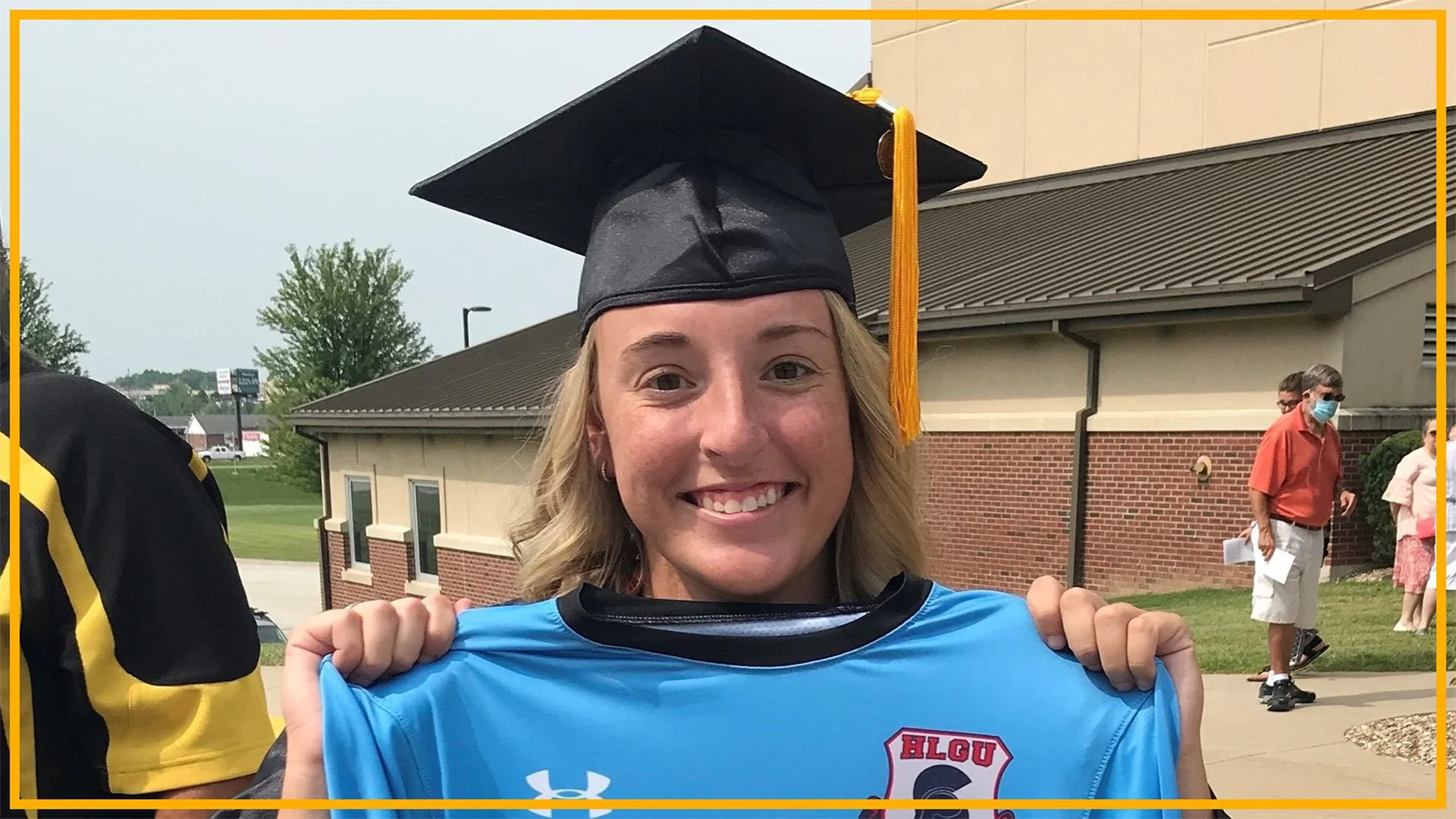
Madi Allen survived influenza B at 12, but leaving the hospital didn’t mean her life returned to normal. The illness led to necrotizing pneumonia, a serious MRSA infection and kidney failure. She spent five weeks intubated, was placed on life support and dialysis, and remained in hospital for 93 days. The damage followed her for years; at 22, she had part of her lung removed after repeated infections.
Now 28, Allen works as a medical assistant in a Florida pulmonary clinic and has been accepted into respiratory therapy school. Her path back to health took roughly a decade. “People hear my story” and assume it ends with surviving the hospital, she told Live Science. “They don't realize that my life didn't go back to normal after.”
From a weekend illness to respiratory distress
Before she became sick in February 2011, Allen was an active seventh grader in Central Illinois. She played soccer and basketball and had no major health problems beyond sports-induced asthma. When she began feeling ill over a weekend, the symptoms seemed manageable at first: over-the-counter medicine helped until it wore off.
Then her condition changed quickly. Allen left a friend’s birthday party early because she felt unusually unwell. That night, she asked her mother to sleep beside her. By Sunday, she could only get comfortable as her mother held her. Her whole body hurt, and she was struggling to breathe.
On Monday morning, while the family waited for the pediatrician’s office to open, Allen was too weak to stand in the shower without help. Her mother stepped away to get a towel. When she returned, Allen’s lips were turning gray and her eyes looked sunken. She called Allen’s father, who was at the grocery store, and told him to leave everything and meet them at the hospital.
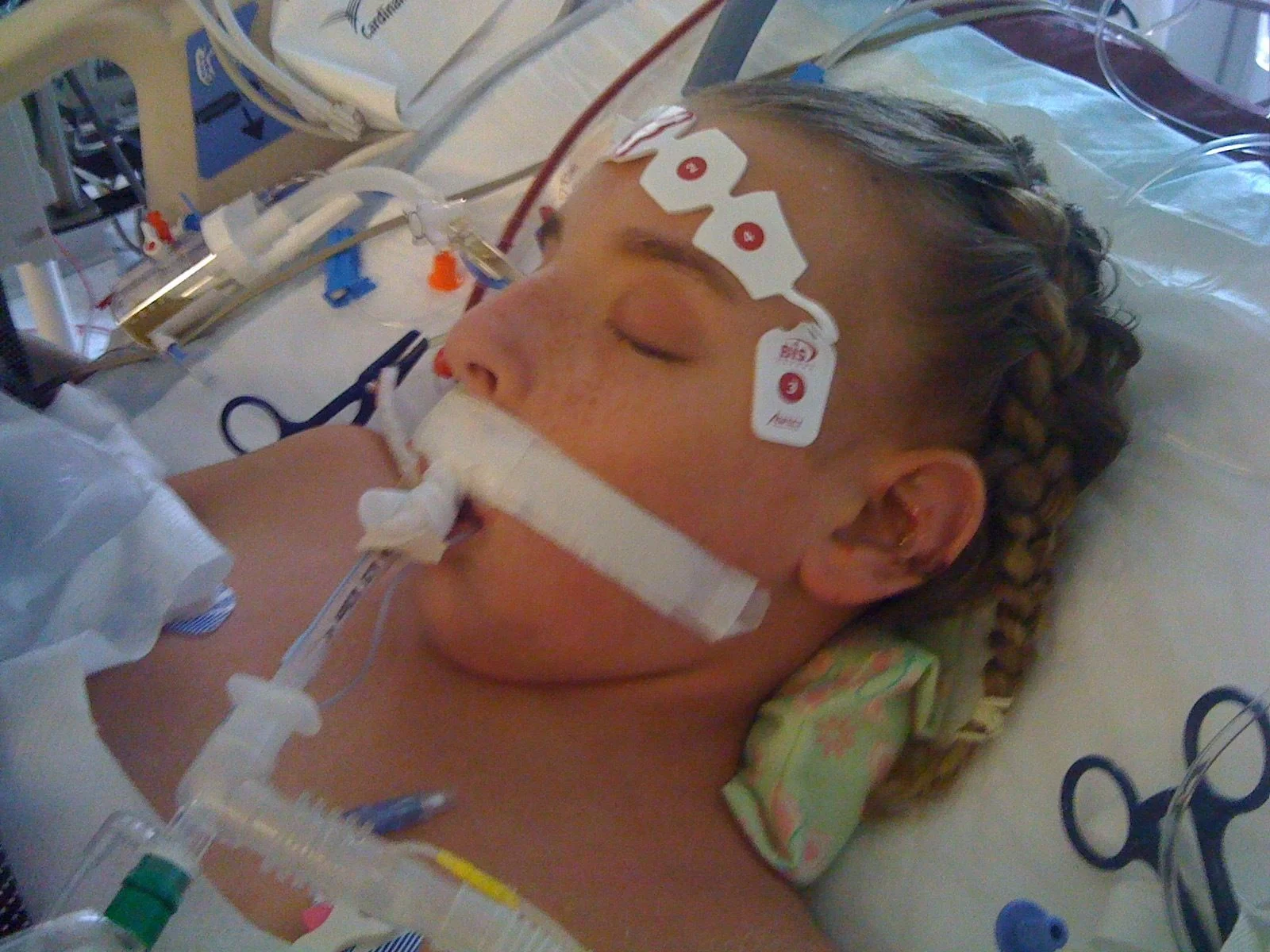
The local rural hospital diagnosed double pneumonia, then transferred her to a children’s hospital about 30 minutes away. By the time she arrived, she was in respiratory distress. Clinicians wanted to intubate her immediately, but waited for her mother to get there so she could explain what was happening.
Allen remembers the BiPAP mask as frightening and suffocating. The machine delivers pressurized air to help a patient breathe, but she felt it wasn’t helping and begged staff to remove it, even briefly. Her mother eventually told her she would be put to sleep and would wake up feeling better. Allen’s last words to her mother before the procedure were “Mom”; she then formed a heart with her hands. Her mother wouldn’t hear her voice again for five weeks.
A transfer doctors feared she might not survive
Intubation wasn’t enough. Allen’s condition worsened, and she needed life support at a larger hospital in St. Louis, Missouri. A flight team came to assess her, and later told Allen’s family that they had doubted she would survive the trip. Moving her repeatedly caused complications, but after several hours of work, the team got her onto a helicopter and to St. Louis.
Doctors called Allen’s parents for permission to operate and place her on life support. Her mother said that each time her father’s phone rang, she feared the call would bring news that Allen had died. Twice, the family was told that death seemed more likely than survival.

Allen woke five weeks later disoriented. Her family had agreed to answer questions about the day of the week without giving her the date, but someone eventually mentioned it. She cried, worried that she would miss her aunt’s wedding. Her father explained that the wedding had been moved to October so she could attend.
School was another concern. Allen was anxious about missing a test on the Constitution, so she took it in hospital. She was discharged during the final week of school and surprised her classmates and teachers on the last day.
Recovery continued after discharge
That summer was filled with medical appointments and physical, occupational and speech therapy. Allen had missed three months of school, but returned to eighth grade with her friends and eventually played basketball again. Getting back to her previous abilities took the rest of junior high and much of high school. She also became ill repeatedly and returned to hospital several times.
For a teenager watching her peers carry on with ordinary routines, the long recovery was isolating. Allen says she felt she had missed out, and still sees that loss when she looks back. Her family, she said, tried to make the best of the circumstances.
At 22, during the COVID pandemic, Allen was still getting sick. Doctors determined that a badly damaged section of her lung was contributing to infections and offered surgery to remove it. The operation was major, but she chose to go ahead. Five years later, she says, she has not been hospitalized again.
Turning a difficult history toward respiratory care
Allen moved to Florida about three years ago and began working as a medical assistant in a pulmonary clinic. She has now been accepted into respiratory therapy school, where she expects to spend the next two years. The career choice grew from time spent in hospital and a job in the emergency department at the same local hospital that first treated her.
Her first degree was in criminal justice, and she says she didn’t know what she wanted to do afterward. Working in the hospital helped clarify it. Earlier in her recovery, she had rejected suggestions that she might become a doctor or nurse; she was still sick and had spent so much time receiving care that she didn’t want a career that would bring her back into a hospital. That perspective changed over time.
Allen also described survivor’s guilt. Through Families Fighting Flu, she has met relatives whose children had illnesses that sounded like hers, but didn’t survive. Their accounts can be difficult to hear. The experience has sharpened her sense of how the same disease can end in different ways, and how survival can still carry a long aftermath.
Before she became ill, Allen had received a flu shot every year. In 2011, her family got busy and vaccination slipped off the schedule. Since then, she has made it a priority. She knows vaccination can’t guarantee she’ll avoid influenza, but hopes it will reduce the chance of another severe illness.
Allen’s account puts a human timeline around severe flu: a sudden crisis, months in hospital, years of rehabilitation and a lung operation long after the initial infection. Her return to pulmonary care gives that experience a new direction, while her recovery underscores that discharge can be only one milestone in a much longer process.
With thanks to Families Fighting Flu, a non-profit organization that promotes flu vaccination and raises awareness of the severity of the infectious disease through families that have been affected.
Opinion on Live Science gives you insight on the most important issues in science that affect you and the world around you today, written by experts and leading scientists in their field.
Help us improve Live Science Pro: We're always trying to make our content better. Leave us feedback about Pro here.
Discussion
Sign in to join the discussion.