A fossil owl from Germany appears to have hunted by day, suggesting owls adopted nocturnal habits sometime between 47 million and 35 million years ago.
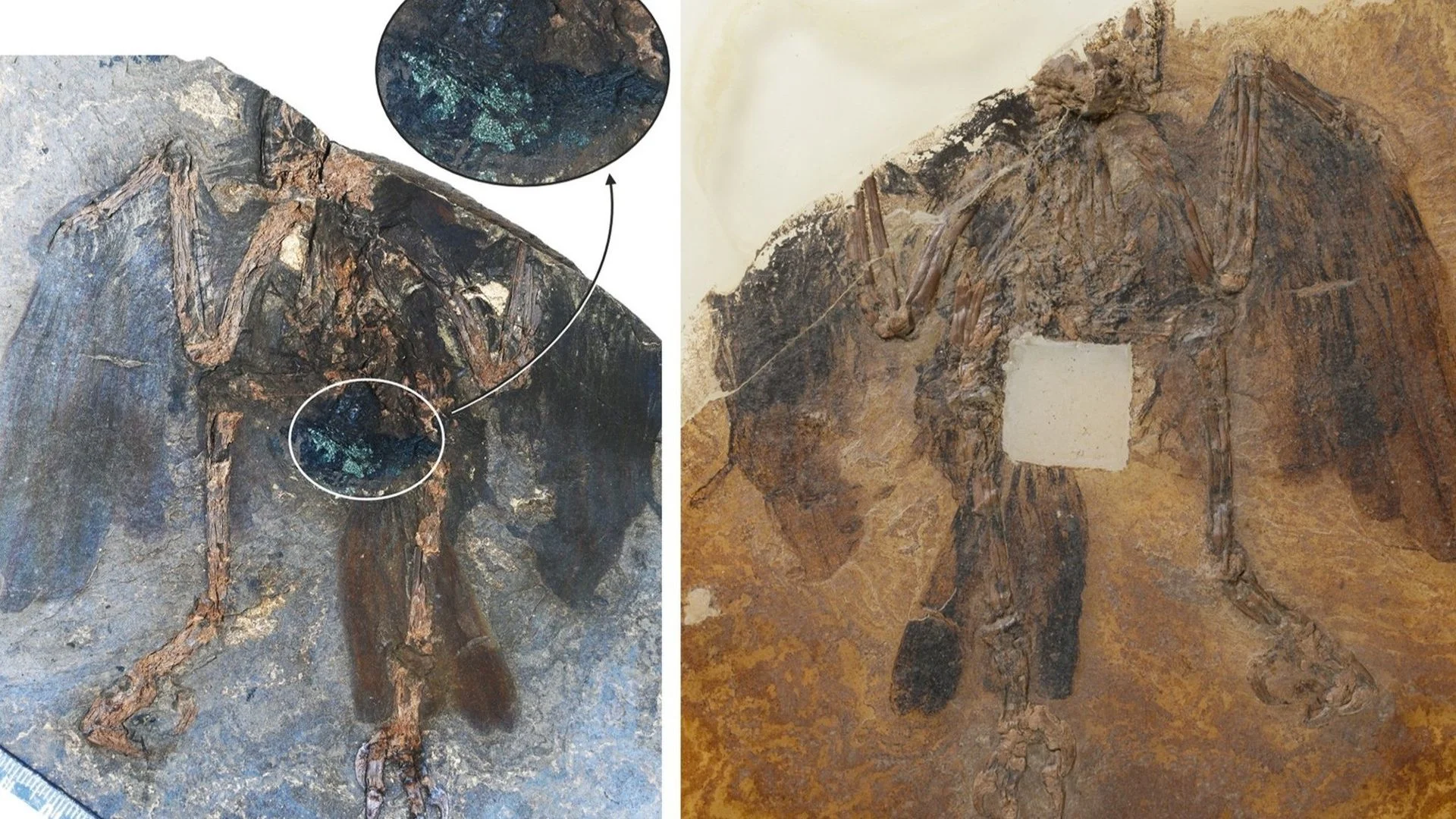
A fossil from Germany puts a tighter bracket on a long-running question in bird evolution: when did owls become night hunters? The 47-million-year-old bird appears to have been active by day, suggesting the shift to nocturnal life happened later, perhaps between 47 million and 35 million years ago.
A daytime hunter at Messel
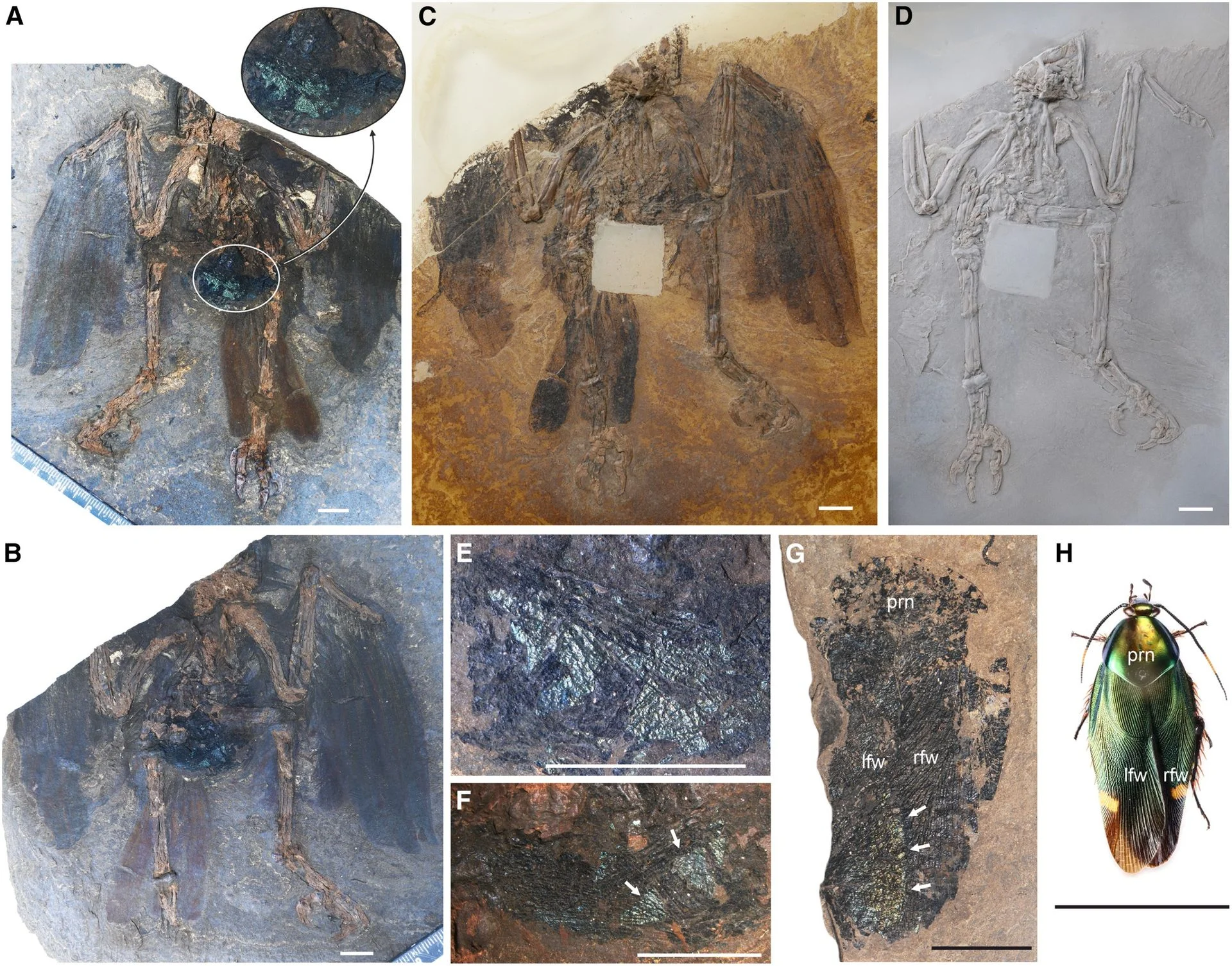
The newly described species, Masillastrix blattophaga, was found in 2025 at the Messel Pit, a former lake and one of the richest sites for fossils from the Eocene epoch, which lasted from 56 million to 34 million years ago. The bird was less than 5 inches (12 centimeters) long. Although its skull is missing, much of the skeleton is exceptionally well preserved—including what appears to be its last meal, a greenish-blue, iridescent cockroach.
That insect offers a clue to the owl’s habits. Iridescence is associated with daytime activity, and the fossil’s feathers and sturdy upper wing bones point in the same direction. The evidence suggests M. blattophaga was diurnal, though researchers can’t rule out that it ate the cockroach at dawn or dusk.
The cockroach’s identification was supported by another specimen found in nearby sediments. Researchers found an insect identical to the one preserved in the owl’s stomach just a few feet from the bird fossil, according to the study, published Nov. 2 in Current Biology.
Study first author Gerald Mayr, a paleontologist and head of ornithology at the Senckenberg Research Institute and the Natural History Museum Frankfurt, said the bird’s upper wing bones, or humeri, are another sign of daytime activity. The Messel owl’s stocky humeri contrast with the slimmer bones of modern nocturnal owls, which fly almost soundlessly. Quiet flight helps a night hunter approach prey unseen; in daylight, silent movement offers less of an advantage when predators can be spotted in time.
When did owls switch to the night?
The new fossil fits with the idea that owls evolved from daytime ancestors. Some early owl fossils have features associated with diurnal birds of prey, including structures that let the head rotate and bony ridges above the eye sockets that may have shielded the eyes from sunlight. Mayr said the Messel bird was likely fully diurnal; a mixed day-and-night routine would suggest that nocturnal traits had already begun to develop in its ancestors.
If the wing-bone evidence holds up, the earliest known nocturnal owls date to about 35 million years ago, in the Late Eocene. Owls from that period and later have elongated humeri and look more like modern species. The oldest known owl in the fossil record, Ogygoptynx wetmorei, lived around 60 million years ago, but its existence doesn’t establish when owls began hunting at night.
That leaves a likely transition window of 47 million to 35 million years ago. It’s still an estimate: the early owl fossil record is sparse, and many species are known from only a handful of isolated bones. Mayr said each new find can reshape ideas about the early evolution of modern birds.
The reason for nocturnal life remains unclear
The timeline doesn’t explain what drove the change. Earlier proposals point to competition with daytime birds of prey or the growing availability of nocturnal mammals. But studies suggest both groups expanded much later, around 20 million to 25 million years ago—well after the proposed shift in owls’ activity patterns. That timing weakens either explanation as a clear trigger.
For now, the Messel fossil sharpens the timing while leaving the cause open. As Mayr put it, narrowing down when owls became nocturnal may eventually help solve why they made the switch.
- 'I'm more hopeful that birds can endure than maybe even our own species': Paleontologist Steve Brusatte on why birds are the ultimate survivors
- 'He began to cry, and almost fell to the floor': The fluffy fossil that finally showed the world that birds are dinosaurs
- Ancient duck-like creature discovered in Antarctica may be the oldest modern bird ever discovered
Discussion
Sign in to join the discussion.