Horses lead recorded methane emissions among hindgut fermenters, but scientists say available data can’t establish which animal farts the most.
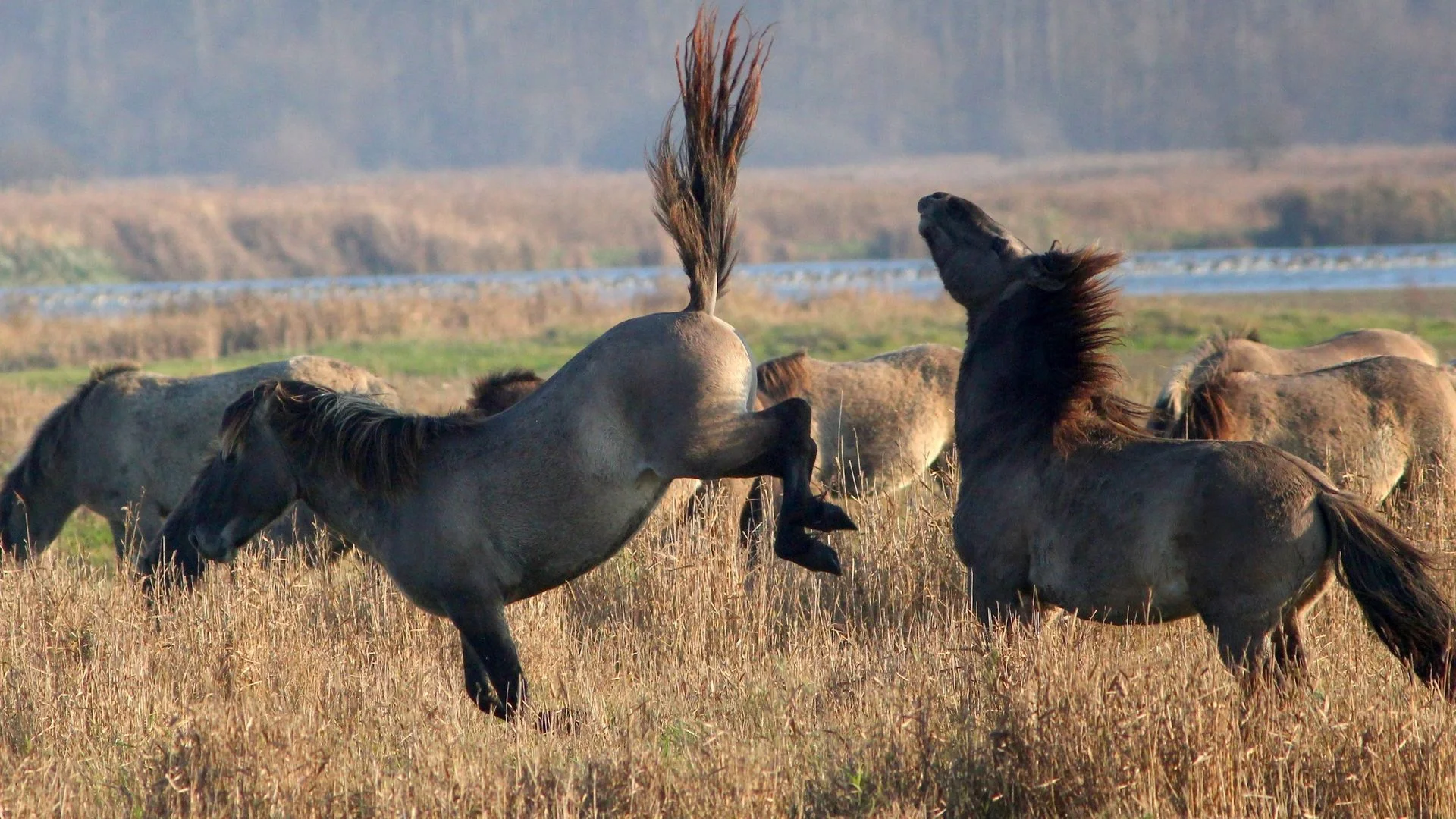
Horses top the available measurements of methane from hindgut fermenters, but that doesn’t make them the proven champions of animal flatulence. Scientists can measure methane output; they can’t yet reliably separate how much leaves as a fart, how much is burped, and how much an animal breathes out.
Why methane doesn’t settle the question
Researchers estimate methane production using methods such as respiration chambers, tracer gas capsules and breath sampling at feeding or milking stations. Those techniques reveal how much methane animals produce, but not necessarily how much they pass as flatulence.
“Getting quantitative measurements for farts per animal is pretty difficult,” said Nick Caruso, a data scientist and co-author of Does It Fart?: The Definitive Field Guide to Animal Flatulence.
Gut anatomy helps explain the mismatch. Herbivores depend on microbes to ferment plant matter, producing gases including methane and carbon dioxide. Some gas enters the bloodstream and is exhaled. The rest exits through the digestive tract, with the route influenced by where fermentation happens.
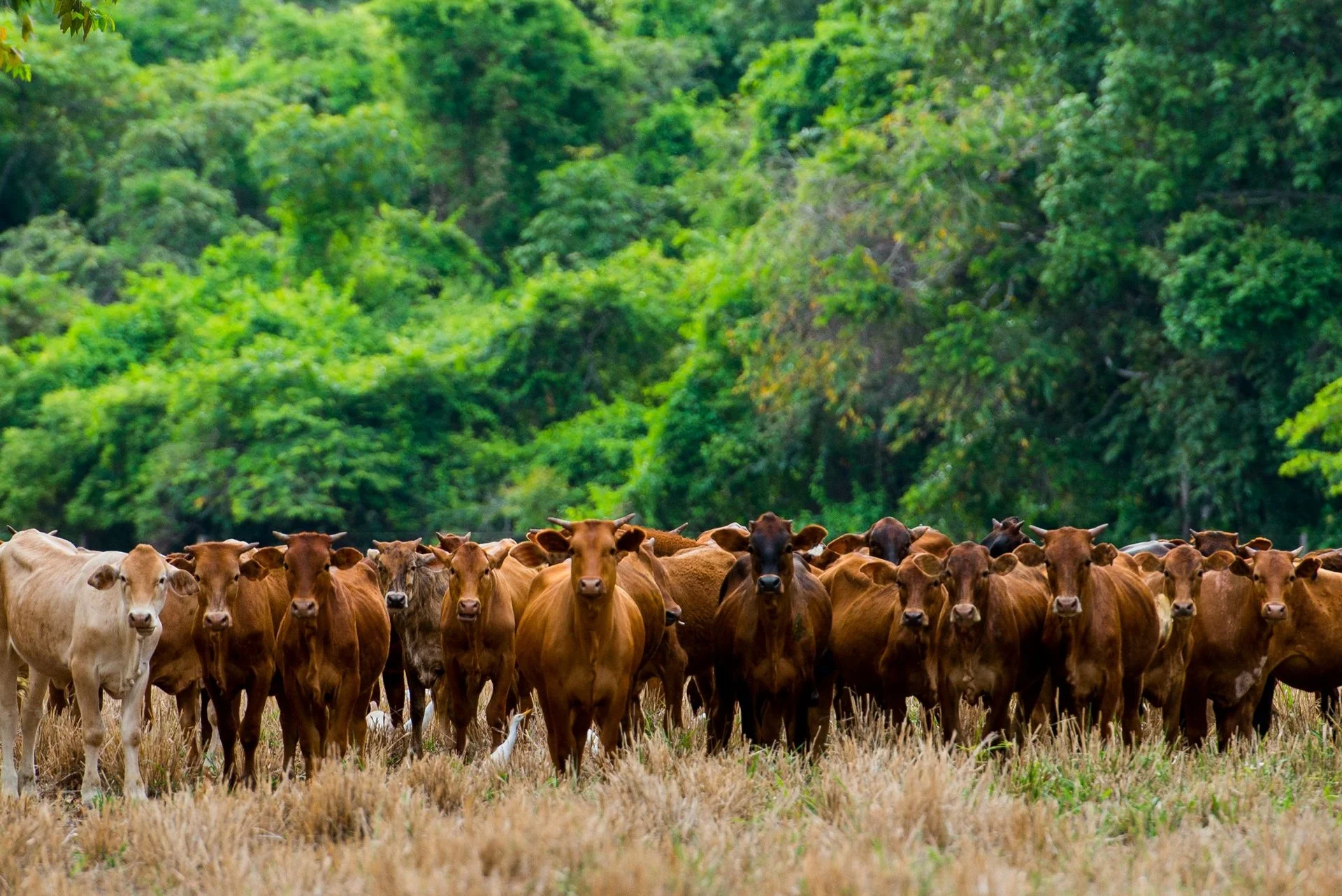
Cows, buffalo, sheep, goats and camels ferment food in the rumen, near the front of the digestive system. As a result, most of their methane leaves through belching. Ermias Kebreab, a professor of animal science at the University of California, Davis, said the “overwhelming majority” of livestock methane emissions come from burps rather than flatulence.
That distinction matters when comparing animals. A recent report estimates cattle produce 117 teragrams of methane annually. One teragram equals 1 billion kilograms, or about 2.2 billion pounds. Those emissions make cattle major methane producers, but they don’t make cows the leading farters.
Horses lead the measured contenders
The strongest candidates for high flatulence are hindgut fermenters: animals that digest plant material in the large intestine. Meat eaters generally produce much less methane than herbivores, according to Marcus Clauss, head of research and co-director of the University of Zurich’s Clinic for Zoo Animals, Exotic Pets and Wildlife.
A 2019 report from the Intergovernmental Panel on Climate Change puts horses at about 40 pounds (18 kilograms) of methane per animal each year, the highest recorded amount among hindgut fermenters. But Clauss cautions that the ranking may reflect which species researchers have measured, rather than a true biological lead. Many hindgut fermenters, including rhinos, lack comparable measurements.
Another comparison changes the picture: methane emissions relative to body weight. On that measure, the nutria (Myocastor coypus), a semiaquatic herbivorous rodent, may exceed the horse, Clauss said.
Termites add a different kind of scale. Their global population is estimated at around 27 quadrillion, and they collectively emit about 10 teragrams of methane each year. Their huge numbers make them a substantial group source, though that doesn’t establish how much any one termite farts.
Clauss also warns that methane itself is an imperfect proxy for flatulence. “There is some methane in flatulence, but most likely the majority of methane produced by an animal is exhaled, i.e. it goes via blood to the lungs,” he said.
What the emissions mean for climate
Methane released by livestock contributes to climate change, and researchers are testing ways to reduce cattle emissions, including adding seaweed to feed. But the climate impact of livestock methane is driven largely by burping, not farting.
Termite methane emissions, meanwhile, are partly consumed by methanotrophic bacteria in soil, which use the gas as an energy source. Stefan Arndt, a professor of physiological and ecosystem ecology at the University of Melbourne, said this substantially reduces termites’ net methane contribution. He described their emissions as part of a natural methane cycle that has persisted for millennia, while rising atmospheric methane concentrations driving climate change are caused by humans.
Scientists have developed tools to track intestinal gases in people, including swallowable electronic capsules and clip-on underwear sensors that detect hydrogen. Until comparable measurements can distinguish animal farts from burps and breath, horses remain the measured leader, while the actual top tooter is still unknown.
Discussion
Sign in to join the discussion.