The newly opened Fyllingsdalstunnelen offers a vital link for pedestrians and cyclists, enhancing connectivity in Fyllingsdalen, Norway.
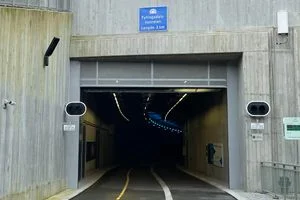
Overview of Fyllingsdalstunnelen
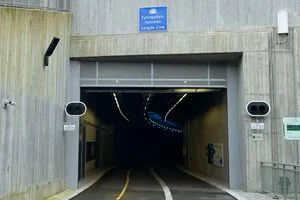
Inaugurated in 2023, Fyllingsdalstunnelen stretches 2.9 kilometers (approximately 1.8 miles), providing an essential route for local residents. Situated in a region characterized by difficult terrain and heavy precipitation, this tunnel represents a significant investment in transport infrastructure. Such projects are often pivotal for improving urban connectivity and addressing mobility issues in hilly locales. Cities worldwide face similar challenges, where mountainous or uneven geography complicates transportation efforts. What’s particularly interesting about Fyllingsdalstunnelen is its potential impact on both local traffic patterns and broader urban development in the area.
Enhanced Accessibility
This tunnel significantly improves accessibility for pedestrians and cyclists, especially in a region known for its frequent rainfall. By connecting previously separated sections of the city, it effectively removes barriers imposed by hilly terrains. With a streamlined route now available, commuters—whether they walk, ride a bike, or rely on public transport—can expect shorter travel times. Accessibility is more than convenience; it's about creating equitable transportation options that serve all community members. Given the global shift towards more sustainable urban policies, initiatives like this emphasize the importance of non-motorized transport options, particularly in cities grappling with pollution and congestion.
Unique Features
Middle of the tunnel features a cozy resting area, boasting a hall for those needing a break during their journey. This space is particularly thoughtful; urban planners often overlook the value of integrating rest points into such infrastructure. It provides users with not just a pause from their transit, but a consideration for mental well-being amidst long commutes. Throughout the tunnel, vibrant lighting shifts colors, adding a visual delight for users, who have dedicated lanes for both walking and biking. These design choices not only enhance the user experience but also encourage more people to choose cycling or walking, rather than driving. After all, a visually stimulating environment can make a difference in people's attitudes toward alternative transportation methods.
Safety Precautions
Fyllingsdalstunnelen is designed with high security standards, running parallel to the city's tram system. This strategic positioning allows seamless integration and ensures dual-functionality of utilities while maximizing safety. The built-in safety access tunnels between the two infrastructures reflect a proactive approach to emergency situations, which are often challenges in urban transport projects. The focus on security ensures a safe environment for all visitors. It’s becoming increasingly apparent that modern infrastructure must go beyond just utility; safety features should be a priority from the design phase onward. Furthermore, extensive urban studies have shown that well-designed safe pathways encourage more use, which in turn fosters a culture of active transportation.
Implications and Significance
The implications of Fyllingsdalstunnelen extend far beyond the immediate community. This project highlights the increasing necessity for cities to adapt their transport infrastructures to support sustainable mobility principles. Urban planners are now faced with greater responsibilities regarding livability and environmental impact. Cities around the globe should take note: investing in pedestrian and cyclist-friendly infrastructure not only promotes health but can also reignite local economies. For instance, with easier access to various parts of the city, businesses could see increased foot traffic. The success of Fyllingsdalstunnelen could serve as a blueprint for similar projects in other municipalities grappling with geographical challenges and urban sprawl.
If you're working in this space, take a moment to consider how such infrastructural improvements could fit into broader urban planning demands. As more local governments and communities face the realities of climate change, the focus on reducing reliance on personal vehicles while improving public transport networks becomes increasingly pressing. This tunnel serves not merely as a transit solution, but as a potential focal point for community engagement and urban renewal efforts.
Discussion
Sign in to join the discussion.