Discover the story of Doña Manolita, a pivotal lottery shop in Madrid that has become a symbol of hope and fortune during the Christmas season.
The Cultural Significance of El Gordo
The allure of El Gordo, Spain's historic Christmas lottery, brings the nation together in a way few other things can. This lottery isn't just another gambling endeavor—it's rooted in centuries of tradition and is interwoven with the social fabric of Spain, particularly during the festive seasons. Each December, as the lottery numbers are drawn, a collective anticipation envelops the nation, symbolizing hope and dreams. Many Spanish citizens anticipate El Gordo with more excitement than they do Christmas itself. The lottery serves as a unifying event that transcends social and economic boundaries, where the momentary thrill of winning offers a brief escape from everyday struggles.
Doña Manolita: A Legacy Built on Trust
At the center of this ritual is Doña Manolita, a lottery shop in Madrid steeped in tradition and history, founded by the ambitious Manuela de Pablo. Manuela, just 25 years old, opened a small lottery stand on Calle San Bernardo in 1904, primarily serving university students. Her humble beginnings seem almost quaint today, but they highlight a remarkable journey of entrepreneurial spirit and community building. Manuela's initiative ignited a cultural phenomenon that shaped the city’s collective folklore while earning her the cherished nickname Doña Manolita. It’s remarkable how one person’s aspiration can lead to a significant cultural touchpoint.
The Heart of Doña Manolita
Her simple beginnings included a wooden counter and a notebook, yet it was her genuine approach to customer service that created a loyal following. Manuela wasn’t simply selling tickets; she became a source of good fortune. Here’s the thing: she understood what most businesses overlook—customer relationships matter. The friendly conversations and advice she shared resonated deeply with her patrons. This interaction wasn’t merely transactional; it created bonds and a sense of community that still exists today. That connection has always been more valuable than any lottery ticket.
Expansion and Endurance
As her reputation soared, so did the shop's success. It's important to recognize that success in retail often hinges on location, but Doña Manolita's journey reflects more than just a strategic move. In 1931, the shop relocated to Gran Vía, where it remained for eight decades, before moving in 2011 to its current location on Calle del Carmen 22, situated near the lively Calle Preciados. This decision was not just about physical space; it represented an adaptation to modern needs while staying true to its historical roots. The ability to evolve without losing essence speaks volumes about the management of such a celebrated institution.
The Modern-Day Lottery Experience
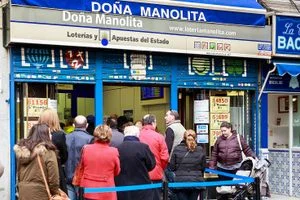
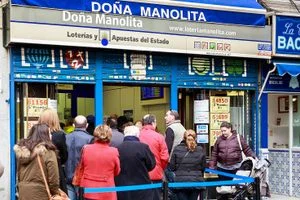
Today, the legacy of Doña Manolita attracts long lines of hopeful visitors each holiday season. These eager patrons brave the chill for a chance to buy lottery tickets from Madrid's most famous source of luck and dreams. It's fascinating how, despite the rise of digital services that offer lottery tickets online, people still prefer the tactile experience of purchasing tickets at Doña Manolita. The physical act of standing in line, mingling with fellow hopefuls, and savoring the ambience adds another layer of meaning to the experience. This scenario underscores a significant trend: the craving for tangible, human experiences remains strong even in an increasingly digital world.
Implications and Future Outlook
With lottery sales constantly evolving, the fate of traditional lottery outlets like Doña Manolita might face new challenges ahead. The rise of online lotteries could potentially divert foot traffic and revenue from historic establishments. However, the emotional and cultural bonds that shops like Doña Manolita foster are hard to replicate online; that's the part most people overlook. The shared moments and community spirit engendered through person-to-person interactions resonate on a deeper level, creating a sense of nostalgia and connection that online alternatives lack.
If you're working in this space, it’s worth considering how the tension between tradition and modernization will play out in the coming years. Will newer generations continue to seek out these traditional experiences, or will convenience win out? The real test for Doña Manolita and similar establishments lies in their ability to adapt while preserving the authentic experiences that have made them cherished institutions. The balance they strike will be pivotal in retaining their storied legacies while acknowledging the realities of an increasingly digital landscape.
Discussion
Sign in to join the discussion.