The Stillman’s Run battle, a pivotal yet chaotic event in 1832, highlights the clash between Major Stillman's militia and Black Hawk's warriors in Illinois.
The Context of Stillman’s Run
In May 1832, Illinois faced a tense situation as local counties desperately sought volunteers to confront the threat posed by Black Hawk and his band of Sauk warriors. This unrest was a culmination of various factors, including land disputes and the U.S. government’s aggressive policies towards Native Americans. The Sauk, feeling cornered, aimed to reclaim their territory, which had been increasingly encroached upon by settlers establishing farms and towns. This period marked a significant moment in the history of U.S.-Native American relations, showcasing the underlying tensions that would ignite further conflicts in the years to come.
The Clash Unfolds
On the morning of May 14, the situation escalated dramatically when Black Hawk's forces, numbering between 30 and 50 warriors, came into contact with Major Isaiah Stillman and his almost 300 militia members camped near Sycamore Creek in what is now Ogle County. Here's the thing: Black Hawk had intended for peaceful negotiations and even sent out three messengers, likely under a white flag to indicate his willingness to discuss terms. At the same time, he had five scouts shadowing Stillman's encampment. However, miscommunication set the stage for disaster. When some of Stillman’s men mistakenly identified the scouts as threats, panic ensued. An initial exchange of gunfire led to the deaths of two scouts and one messenger, escalating a potentially diplomatic engagement into an armed confrontation.
A Chaotic Retreat
The so-called battle quickly deteriorated into chaos. Major Stillman, caught off guard and underestimating Black Hawk's determination, concluded that his vastly outnumbered militia should retreat back to Dixon’s Ferry. This decision proved catastrophic; as his troops fell back, they suffered casualties while trying to hold their ground on a nearby hill. The chaos of the conflict wasn't emblematic of organized warfare; instead, it reflected unpreparedness and a lack of cohesive strategy. Soldiers fled in panic, abandoning positions and comrades in a moment fraught with confusion. A disaster of this magnitude was more akin to a rout than a battle, questioning Stillman’s leadership and the readiness of his forces for such an encounter.
The Aftermath
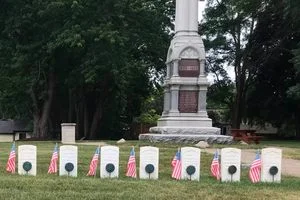
In the aftermath of this tumultuous skirmish, Abraham Lincoln, then a young soldier, happened upon the scene. He took it upon himself to assist in the burial of the fallen, laying them to rest in a common grave. These solemn moments would stay with him as he grew to become a pivotal figure in American history. Today, their names are memorialized at Stillman’s Run, where military headstones pay tribute to those who lost their lives in a fight that turned out to be less about valor and more about tragic miscommunication and poor command. It's ironic, given that while the valley now bears Stillman’s name, his legacy is overshadowed by this defeat. The aftermath of the conflict also raised questions about military leadership and readiness, problems that would reverberate throughout the military engagements of the era.
Significance and Legacy
This event isn’t just a footnote in history; it’s emblematic of a broader struggle over territorial rights and power dynamics in early 19th-century America. If you’re working in this space, it’s essential to understand how these conflicts inform our contemporary discussions on land rights and indigenous sovereignty. The legacy of Stillman’s Run serves as a stark reminder of the consequences of miscommunication in conflict situations and the human cost of military engagements that lack clarity of purpose.
Moreover, the lessons learned from this skirmish resonate today. Conflicts often evolve not from straightforward encounters but from complex human emotions and misunderstandings. The chaos that characterized the retreat under Stillman reflects a crucial lesson for military and civilian leaders: clarity and communication can mean the difference between order and disaster. As we look back, the implications extend beyond mere historical curiosity; they challenge us to rethink how we engage in dialogue during conflicts, whether they're armed encounters or in negotiations for peace.
What this means for you is that the optics of military engagement aren’t just a matter of strategy. They involve understanding the stakes at play, the people involved, and the consequences that may unfold from a single decision in a moment of crisis. The tumult at Stillman’s Run underscores this complexity, reminding us of the need for careful consideration of our actions in crisis situations.
In essence, the events of May 1832 were more significant than they seem at first glance. They encapsulated a turning point in the conflict between the U.S. government and Native American tribes, setting a precedent for the kinds of violence that would manifest in later years. The ghosts of Stillman’s Run linger, cautioning against fostering misunderstandings that could lead to larger conflicts. And that’s a legacy every generation must grapple with.
Discussion
Sign in to join the discussion.