East Finchley Tube Station showcases striking Art Deco design and the iconic Archer statue, symbolizing a rich local heritage and architectural brilliance.
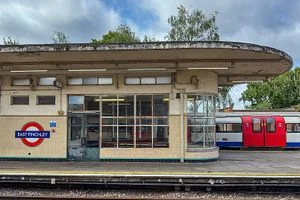
Architectural Significance of East Finchley Tube Station
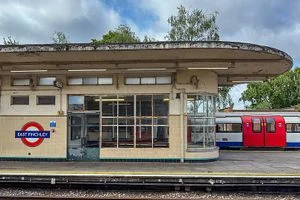
East Finchley Tube Station, located in North London, is notable not just as a means of transportation but as a monument to early 20th-century design principles. Its architectural style merges Art Deco and modernism, reflecting a significant cultural shift. Built during a time when architecture was beginning to embrace cleaner lines and more functional aesthetics, the station embodies a sense of post-war optimism. Designed by the influential architect Charles Holden, East Finchley is among 15 stations he conceived, which collectively represent an era in transportation design that sought to elevate the ordinary into the extraordinary. Surrounding the station is the iconic Archer statue, which stands as a proud reminder of local history and cultural identity.
The Archer: A Symbol and Sculpture
The Archer, a striking sculpture created by Eric Aumonier, acts as a significant cultural marker in East Finchley. There are various interpretations of its significance; some view it as a nod to the area’s historical ties—particularly its associations with local hunting grounds. Others dismiss it as ornamental, lacking deeper meaning. Regardless of the debate surrounding its origins, what can’t be ignored is how the Archer has woven itself into the fabric of community life. It has inspired local endeavors, including the neighborhood newspaper and the Archer Academy. Moreover, its influence extends to the uniforms of Northern Line tube drivers, who display archer motif tie pins, signifying the sculpture's lasting impact on local culture. This blend of public art and community identity is often overlooked but plays a critical role in how inhabitants interact with their surroundings.
A Blend of History and Design
Constructed just before the onset of World War II, the sculpture and the station itself signify a moment when art and architecture were evolving under the weight of significant global events. Commissioned in early 1939, the Archer wasn't completed until 1940, emerging as a stand-alone piece amidst a series that fate had deemed unrealized due to the war. Its materials are important too; made from beech wood with a metallic framework and finished with beaten lead, the sculpture’s cubist influences resonate with the architectural style of the station. This characteristic captures not just an artistic moment in time, but also reflects broader themes in British history during a particularly tumultuous period. And for those who might dismiss it as merely functional, the inherent artistry challenges that notion.
Distinctive Art Deco Features
East Finchley Tube Station boasts defining Art Deco features, notably its iconic semi-circular glazed stairways leading to a bridge spanning the tracks. Interestingly, this bridge isn't intended for public access. It serves as staff offices, subtly nodding to the functionality embedded within the architecture. The station's rounded frontages and meticulously detailed brickwork evoke contemporary residential designs of the time, drawing parallels to notable London architectures like Florin Court, which is famed as the filming location for Poirot’s apartment in the beloved television series. This connection underscores the role of the station as not just a commuter hub but also as part of a broader narrative of design and aesthetics that extend well beyond the transport network.
Architectural Heritage of the Northern Line
East Finchley Tube Station transcends the role of merely being another stop on the Northern Line. It stands out as one of the finest representations of Art Deco architecture within the entire tube system. Its compelling fusion of historical context, design elegance, and community symbolism emphasizes its significance beyond just transit. As a celebration of artistic legacy, it functions as a cultural beacon, offering visitors and residents alike a sense of pride in their local history. Moreover, this station serves as the entryway to the longest rail tunnel in the UK, increasing its significance as an architectural landmark. Such features deserve recognition, yet, they are often unexplored by the very commuters who pass through on a daily basis. If you're working in this space, the importance of architectural heritage and public art can't be understated.
Implications for Urban Development and Historical Recognition
The architectural heritage of East Finchley Tube Station raises pertinent questions about urban development and how historical structures are integrated into modern city life. As cities expand and evolve, the temptation to prioritize new construction over historical preservation grows. The significance of this station, along with others of its kind, serves as a reminder that preserving architectural history contributes to a community’s identity. What this means for you is this: understanding and valuing these structures can influence local policy and promote initiatives geared towards preservation. If cities lose touch with their historical roots, they risk losing a part of their soul.
Discussion
Sign in to join the discussion.