A newly uncovered fragment of Homer's "Odyssey," dating back to A.D. 300, enhances our understanding of the epic's narrative, as revealed by a Dutch researcher.
A Rare Literary Treasure
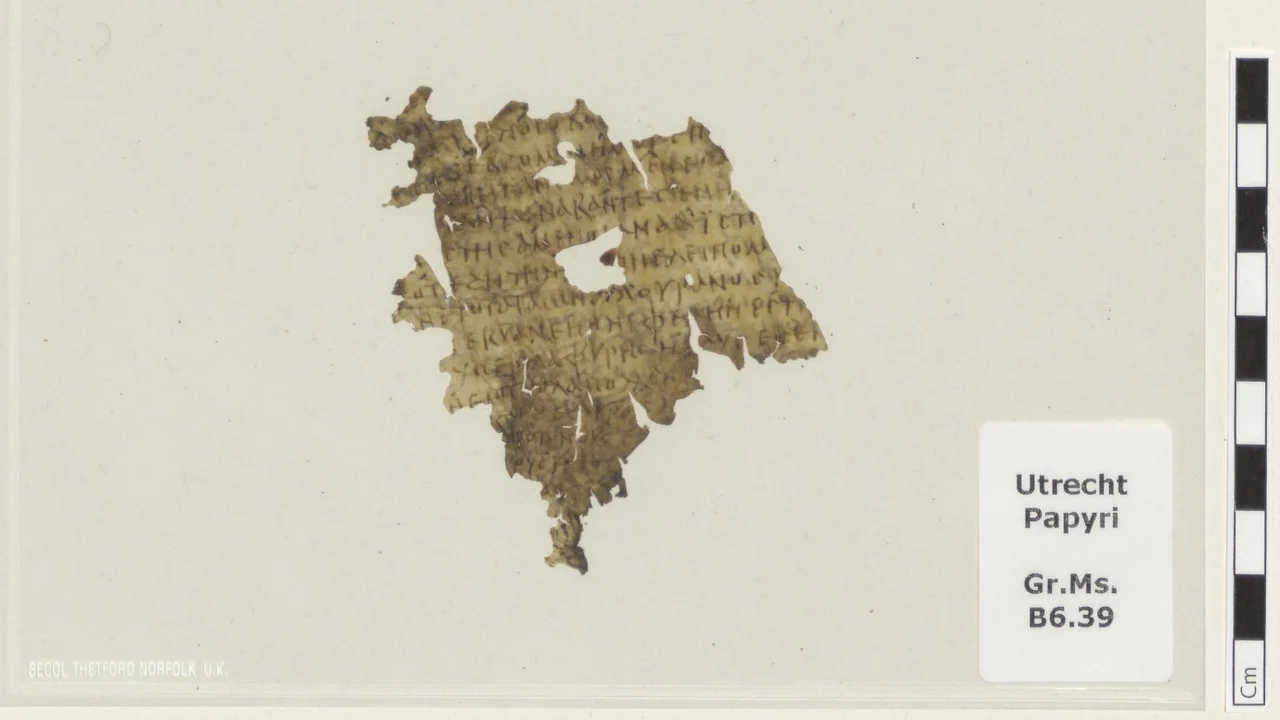
A recent discovery in a Dutch library has brought a fragment of Homer's Odyssey back into focus, offering fresh insight into one of literature's timeless tales. The piece, measuring about 2.6 by 3 inches, originates from a pocket-sized edition produced in Egypt around A.D. 300. The excitement around such an artifact is palpable; fragments of classical texts are not just rare, they provide a glimpse into the cultural and literary epochs of the past.
The Discoverer: Mark de Kreij
This significant find was made by Mark de Kreij, a professor of Greek literature at Radboud University. He stumbled upon this extraordinary piece while examining early Christian manuscripts acquired by Utrecht University in the mid-20th century. Among the array of Egyptian and Greek texts, de Kreij came across this small yet impactful parchment containing verses he recognized from the epic. Such serendipitous discoveries often ignite renewed interest in ancient literature, reminding scholars and readers alike of the fragility and persistence of cultural narratives.
Contextual Significance of the Fragment
What makes this fragment particularly engaging is that it includes a lively section from Book 12 of the "Odyssey". This passage narrates the consequences faced by Odysseus and his crew after they defy the goddess Circe's warnings and consume the sacred cattle of Helios. The central theme of human folly prevalent in this story serves as an enduring lesson in morality, one that resonates across cultures and time. The notion of hubris leading to downfall is timeless, and it’s captivating to see how these narratives have been passed down through the ages.
The narrative context is captivating: after successfully navigating the perils of Scylla and Charybdis, Odysseus’s men, pressed by hunger, make a fateful decision to land on Thrinacia, the island sacred to the sun god Helios. Odysseus had cautioned them against harming the cattle, but desperation led to tragedy when they slaughter the animals. Helios’ wrath culminates in the destruction of their ship by Zeus, leaving Odysseus as the sole survivor. This reflects a broader theme present in classical literature: the struggle between human desires and divine will, an area that has sparked countless academic discussions and interpretations.
Recent Discoveries in Homeric Fragments
This discovery is more significant than it looks, marking the second find of Homeric fragments within a single year. Earlier, archaeologists in Egypt found fragments of the "Iliad" embedded in a Roman-era mummy. Both epics, composed around the end of the eighth or early seventh century B.C., recount the tumultuous events surrounding the Trojan War and Odysseus's arduous journey home. This surge of discoveries signals a growing interest in classical studies, as well as advancements in archaeological techniques, prompting researchers to revisit old collections with fresh perspectives.
Preservation Insights and Future Discoveries
The newly identified fragment is likely a remnant of a codex created in the Fayum oasis of Egypt. Significantly, only about 30 similar fragments have been mentioned in scholarly literature, indicating the rarity of such finds. De Kreij suggests that the fragment's middle placement within the codex may have contributed to its preservation. This insight into preservation speaks volumes about the conditions these ancient manuscripts endured. Factors such as environment, material quality, and handling practices are critical when understanding how these pieces survived the wear and tear of millennia.
As intriguing as the fragment is, its journey into the larger collection of Egyptian texts remains a mystery. Of course, this adds another layer of intrigue. Questions abound: How did it end up in the Dutch library? What other treasures might be hidden in the thousands of manuscripts yet to be examined? De Kreij's exploration of the Utrecht University library's Greco-Roman collection is set to be published in an upcoming book titled "Hieratic, Demotic, Greek, and Coptic Texts in the Utrecht University Collection," which promises to provide deeper insights into these ancient texts. This could very well lead to further finds, expanding our understanding of ancient literary traditions.
Implications and Future Outlook
This discovery isn't just an academic curiosity; it serves as a reminder of the power of ancient narratives and their relevance to contemporary audiences. If you're working in this space—be it literature, archaeology, or history—it pays to keep an eye on the collections that may yield similar rewards. The continued exploration of such manuscripts could lead to new interpretations of texts that have shaped human thought for centuries.
The relentless quest for ancient manuscripts will likely unearth more fragments that can illuminate our understanding of human culture. As scholars review past collections with modern techniques, this could reshape our knowledge of how these ancient works were disseminated, copied, and read in different periods. The public's growing interest in these discoveries may even spur funding and attention toward preservation efforts of ancient texts globally.
Discussion
Sign in to join the discussion.