Many blond children experience a gradual darkening of their hair, influenced by genetics and hormonal changes, particularly during puberty.
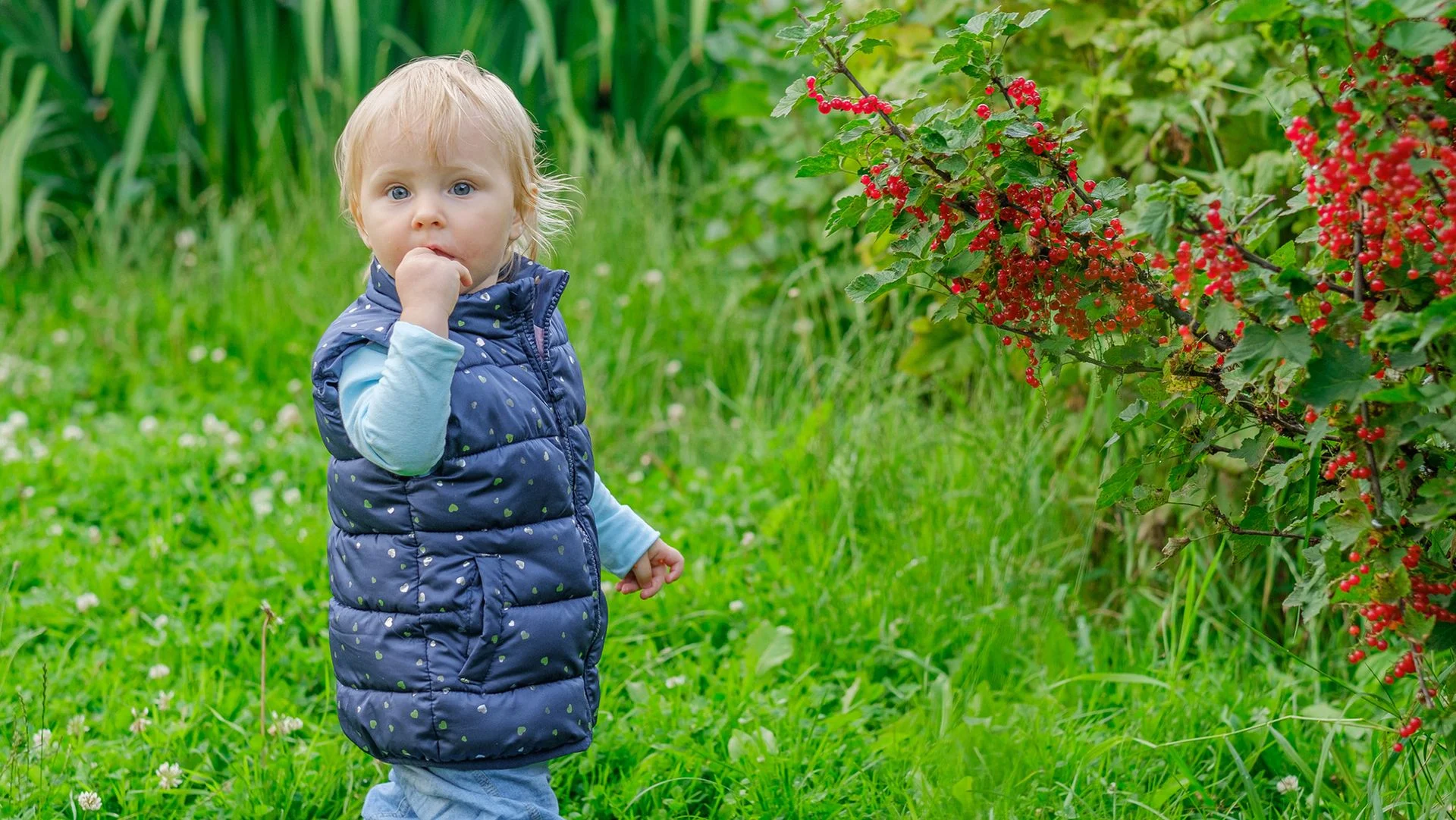
If your blond preteen appears to be transitioning to darker shades, you're not mistaken. Some children with platinum blond hair notice a shift towards brown or even black as they mature. This transformation, while commonplace, often leaves parents scratching their heads, wondering about the science behind it.
The Science Behind Hair Color Change
The underlying reason for this transformation lies in a complex mix of genetics, hormones, and the workings of pigment-producing cells. Hair color is primarily influenced by a pigment called melanin, produced by specialized cells known as melanocytes. There are two primary types of melanin: eumelanin, which is responsible for brown and black shades, and pheomelanin, which provides yellow and red tones. The balance between these two types determines the final hair color.
Genetics play a dominant role in the amount and type of melanin produced. While scientists have mapped many of the genes involved in determining hair color, the specific reasons why some blond children darken while others retain their light hues remains an area of ongoing research. This variability can be attributed to the unique genetic makeup of each individual, leading to quite different expressions of similar traits.
Hormonal Influences on Hair Color
If you’ve ever wondered why some parents have dark hair while their children are naturally blond, it’s a genetic puzzle that can be puzzling. Generally, an increase in eumelanin correlates with darker hair. For instance, heightened levels of estrogen and progesterone during pregnancy can stimulate increased eumelanin production, leading to a darker hair color. And yet, once the child is born, the dramatic fluctuations in hormones during development can lead to significant shifts in hair pigmentation.
Hair follicle activity isn't static during childhood. As kids grow, the biological signals influencing pigment production may alter, leading to these sometimes unexpected changes in hair color. During the early years, children’s hair may change through various stages, often reflecting their nutritional status or environmental conditions. By preadolescence, more permanent shifts occur under the influence of puberty's hormonal tidal wave.
Shifting from Blond to Brown
For many blond children, the most pronounced darkening usually occurs around puberty, typically between the ages of 10 and 13. According to Desmond Tobin, a professor of dermatological science at University College Dublin, the surge of hormones like estrogens and androgens during puberty often spurs an increase in eumelanin production, which gradually shifts blond hair into darker shades. The children who remain blond likely have a genetic predisposition that limits eumelanin production. Genetics isn’t just a combination of what you inherit; it's also about how those inherited traits express themselves over time.
The exact mechanisms at play are less understood, opening the door to many questions. One area of intrigue involves hormones known as melanocortins, specifically alpha-melanocyte-stimulating hormone (alpha-MSH). This hormone signals pigment-producing cells to ramp up melanin production. In skin, alpha-MSH’s activity is often triggered by exposure to ultraviolet (UV) light. However, the relationship between these hormonal changes and hair darkening remains largely uncharted. What this means for you is that if you’re observing these shifts in your child, you’re witnessing biology in action—an intricate dance between genetics and hormonal influence.
Scientists have yet to establish a definitive link between rising levels of alpha-MSH, testosterone, or estrogen, and the darkening of blond hair. The melanocortin system suggests that hormonal signals can influence the production of eumelanin, but whether these changes are the cause of hair darkening during puberty is still unclear. The complexity here can't be overstated. Just because a child’s hair darkens doesn’t automatically correlate with broader hormonal changes; it's simply one aspect of a larger biological picture.
Wojciech Branicki, a researcher specializing in human pigmentation genetics at Jagiellonian University, notes that the genes controlling these processes are still being identified. This gap in knowledge reflects just how intricate human genetics can be—which can be both astonishing and alarming.
Branicki proposes that hormonal influences may interact differently with children's hair follicles based on genetic factors. At this stage, researchers lack clarity on the specific genes involved or how they cooperate with hormonal shifts during puberty. Hence, while some children’s hair may darken as melanin production increases, others may maintain their initial hair color due to a lower eumelanin production. If you’re working in this space, understanding these facets of hair pigmentation can be invaluable.
Future Outlook and Implications
The field of human genetic variation is advancing, but severe gaps remain regarding the interplay between hormones and hair pigmentation. The implications of this research extend beyond mere curiosity; they touch on broader issues of human biology and individuality. As scientists continue to investigate, the hope is that we’ll gain clearer insights into not just hair color but the intricate tapestry of human appearance and identity.
This is more significant than it looks. The understanding of hair pigmentation could have applications in various fields, from cosmetics to genetics, and even cultural identity. The not-so-simple act of a child's hair darkening may eventually lead to deeper discoveries about genetic expression and hormonal regulation.
As research continues, parents and children may feel more informed about these changes. And who knows? The next time you notice your child’s hair shifting shades, you might just appreciate the complex biological story unfolding right before you.
Discussion
Sign in to join the discussion.