Astronomers have detected direct radio signals from the exoplanet Beta Pictoris b, shedding light on its magnetic field and atmospheric dynamics.
A groundbreaking study has successfully captured radio signals originating from an exoplanet—specifically, the gas giant Beta Pictoris b, located 64 light-years away. This marks a significant milestone in astrophysics, representing the first time such direct signals have been convincingly identified from an exoplanet.
The Implications of Direct Signal Detection
Detecting signals from exoplanets is more significant than it looks. For years, astronomers have inferred the existence of planets in far-off systems through indirect methods, such as transit photometry or radial velocity measurements. However, capturing direct signals—especially radio emissions—opens new avenues for research. Such signals could provide insights not only into the planets themselves but potentially into extraterrestrial life. In a cosmos that's seemingly teeming with possibilities, each confirmation adds a piece to the ever-expanding puzzle.
Expert Perspectives on the Discovery
Suzanne Aigrain, a professor of astrophysics at the University of Oxford, expressed enthusiasm about the discovery. "Astronomers have been looking for radio signals from exoplanets for some time," she noted. Previously, attempts to capture this data yielded only tentative indirect evidence, primarily due to the difficulties in distinguishing between signals generated by a planet versus those produced by its host star. This direct detection is, therefore, a hopeful sign for future explorations. The scientific community may now begin to rethink methodologies for searching and analyzing interstellar signals.
Understanding Radio Emissions from Exoplanets
The focus on artificial radio signals has been a pivotal aspect of the Search for Extraterrestrial Intelligence (SETI), as these signals, often referred to as "technosignatures," could reveal advanced civilizations. However, natural phenomena also produce similar emissions. "There are two primary processes responsible for radio emissions in exoplanets," Aigrain explained. "One is magnetic reconnection, which occurs when a planet's magnetic field interacts with that of its star. The other involves auroras, similar to those seen on Earth." This lays the groundwork for scientists to differentiate between potential signs of intelligent life and natural occurrences. The research team led by Kevin Ortiz Ceballos believes they’ve detected emissions resulting from the latter mechanism, focusing on auroras rather than artificial signals.
Decoding the Data from the MeerKAT Telescope
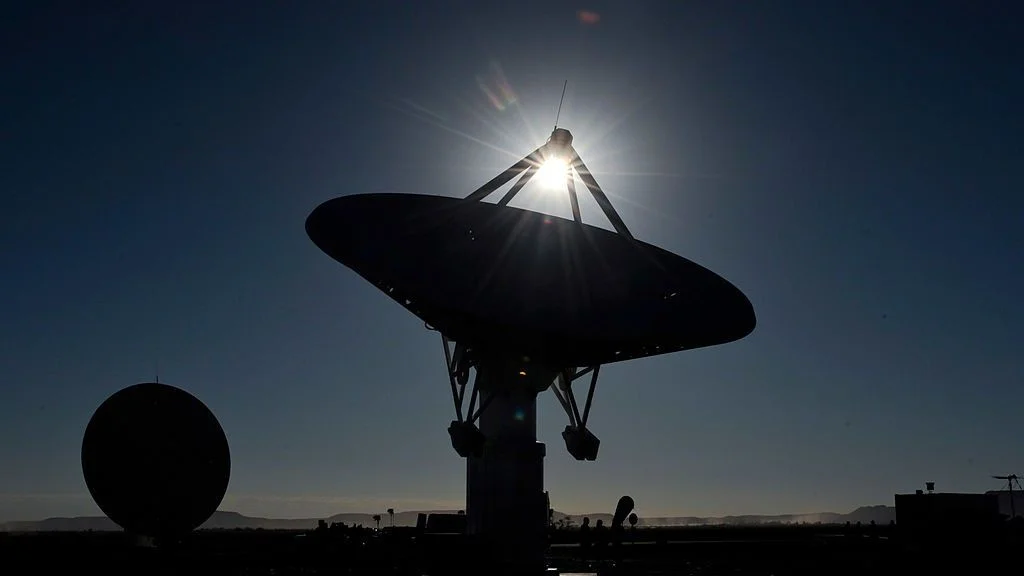
Using the MeerKAT radio telescope in South Africa, the research team identified rapid, repeating bursts of radio signals from Beta Pictoris b. Initially uncertain whether the emissions came from the planet or its host star, the team employed distant quasars as reference points to confirm their origin. This meticulous verification process demonstrates the level of rigor involved in modern astrophysical research. And yet, it's this meticulousness that makes the findings even more compelling. The fact that "no radio detection has ever been explicitly traced back to an extrasolar planet rather than its host star" adds a layer of credibility—and significance—to their work.
Magnetic Fields and Planetary Habitats
The findings offer valuable insight into the nature of this gas giant, particularly its magnetic field, which the team estimates to be around 1,250 gauss, considerably stronger than those of Jupiter and Earth. Understanding magnetic fields is essential since they play a pivotal role in protecting planetary atmospheres from solar wind—charged particles emitted by stars. Aigrain highlighted the importance of this research, stating that it could inform our understanding of magnetic field generation and its implications for the habitability of other planets. "For Earth, the magnetic field has been essential in maintaining its atmosphere and shielding life from harmful radiation," Aigrain noted. Think about it: The magnetic field serves as a shield, making the existence of life possible on our planet.
Looking Ahead: The Search for Smaller Planets
While Beta Pictoris b's size and dense atmosphere would likely allow it to retain its atmosphere even without a strong magnetic field, the focus may soon shift to smaller, potentially habitable planets where magnetic shielding will be crucial. The implications for the future of exoplanet studies are extensive. If researchers can confirm similar emissions from Earth-like planets, or larger terrestrial planets with potential for habitability, it could dramatically alter our understanding of where life might exist beyond Earth.
The Role of MeerKAT and Future Prospects
The MeerKAT telescope is considered a pathfinder for the upcoming Square Kilometre Array (SKA), which promises enhanced observational capabilities. By contributing to an understanding of radio emissions from exoplanets, MeerKAT lays the groundwork for future exploration. Aigrain anticipates that this future observatory will help facilitate many more direct signal detections from various exoplanets. The SKA project's promise is immense; while its full realization will take time, the groundwork being laid now will influence multiple future generations of astrophysical research.
Implications for Future Exploration
The detection of radio signals from Beta Pictoris b not only advances our understanding of this particular exoplanet but also sets the stage for a new era in exoplanet exploration and characterization. If you're working in this space, this finding demands respect—you'll likely be part of a rapidly evolving field that could reshape our view of life in the universe. As each piece of evidence mounts, the prospect of discovering life beyond Earth ceases to be mere speculation and starts feeling like a genuine possibility. This new chapter in astrophysics is one that many will watch with bated breath.
Discussion
Sign in to join the discussion.