Recent satellite data reveals alarming rates of freshwater depletion worldwide, underscoring the urgent need for improved water management strategies.
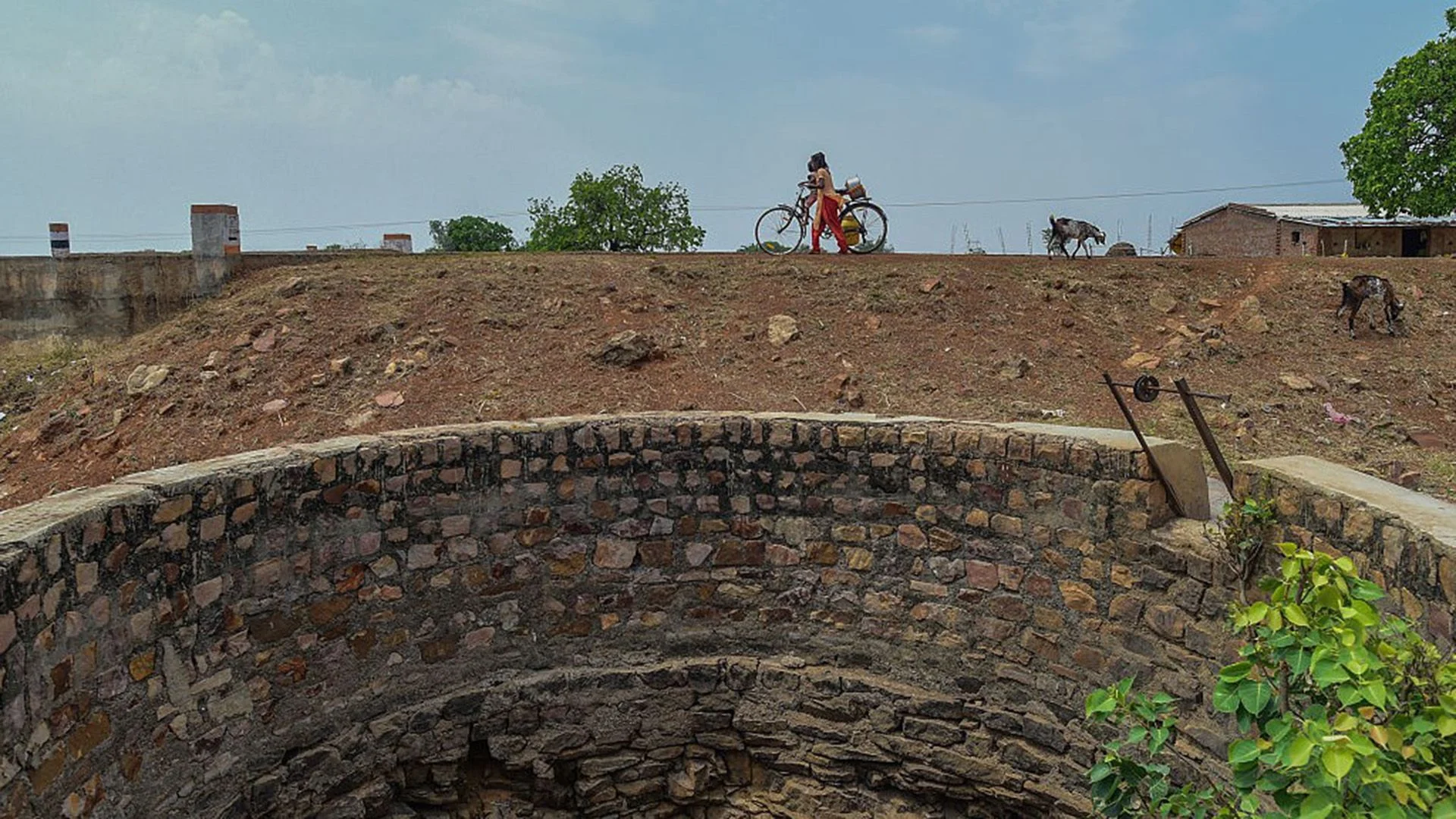
Freshwater resources are dwindling at a pace that surpasses previous scientific estimates, according to a recent study leveraging satellite technology. Key regions, including northern India, parts of southern Iran, and various areas across the United States, are seeing average freshwater loss that is 45% greater than earlier assessments anticipated. This troubling data was unveiled thanks to a detailed analysis of trends in terrestrial water storage between 2002 and 2025, a study that showcased a striking 33% increase in the visibility of these changes compared to earlier studies.
The implications of this study are grave, revealing a stark imbalance where water loss far exceeds fresh water gains globally. "It has become very dire in a lot of places," commented hydrologist Hrishikesh Chandanpurkar of the Evergreen Resilience Institute, indicating a need for enhanced water management efforts to avert a looming global water crisis.
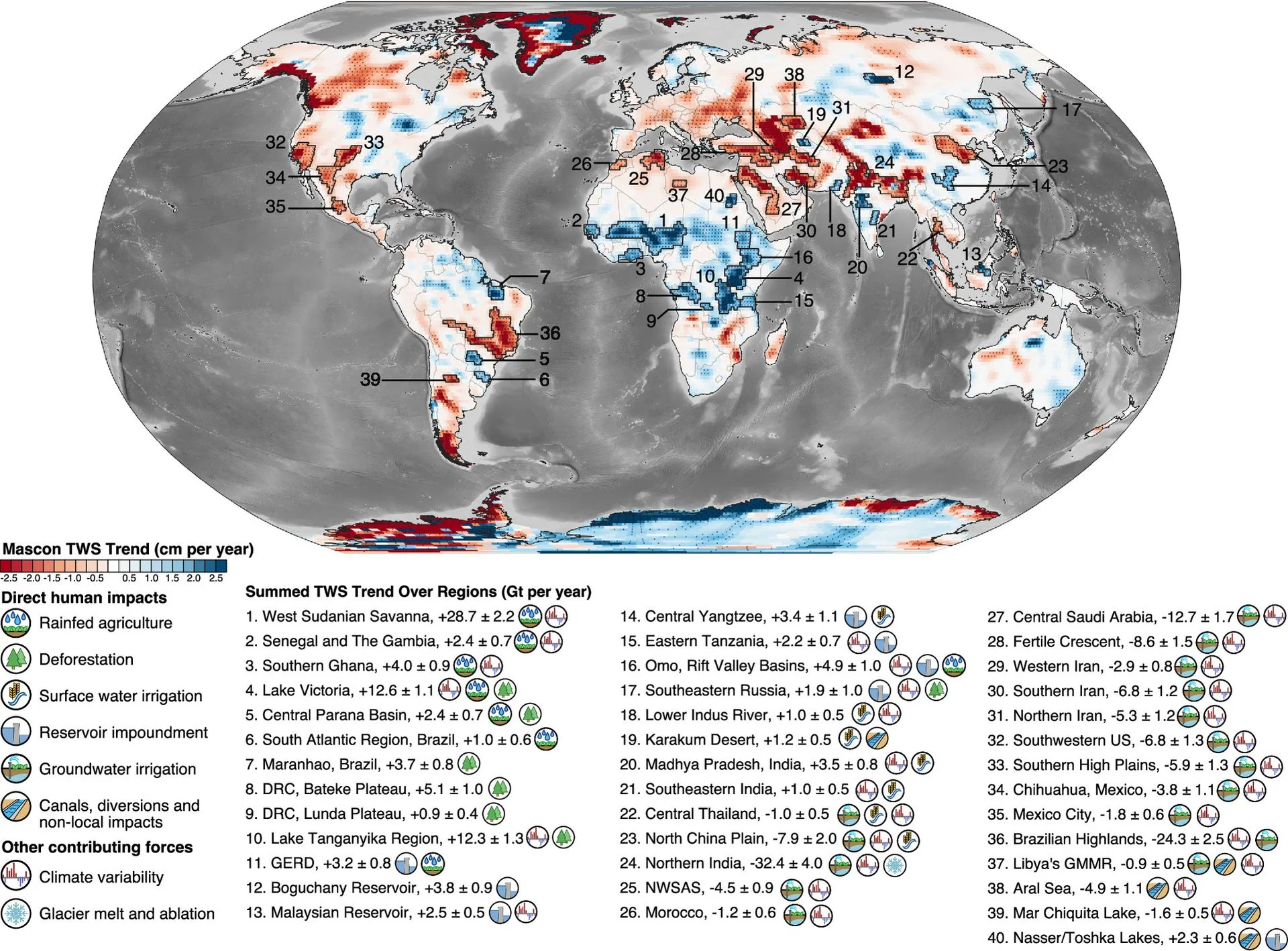
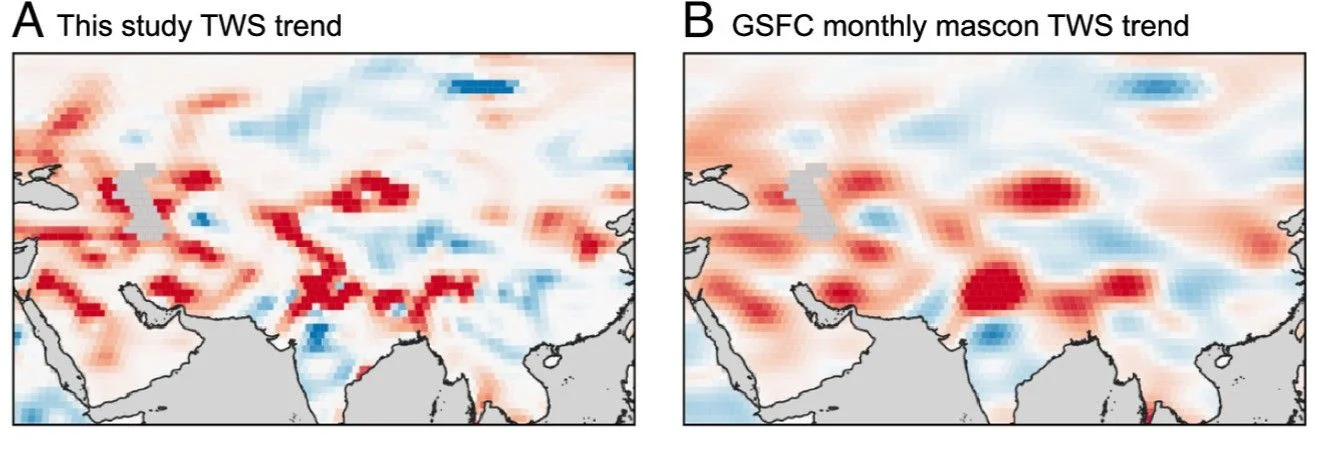
This study, published on September 14 in the journal PNAS, utilized data from NASA’s Gravity Recovery and Climate Experiment (GRACE) satellites, which measure even minute shifts in water mass across the planet. By enhancing data resolution, it enabled researchers to identify human actions—such as irrigation practices and infrastructure developments—as primary drivers behind significant changes in freshwater storage.
Agreements from first author Mary Michael Forrester O'Neill indicate that this research not only illuminates the broader trends but also distinguishes the roles human activity plays compared to natural climatic variations. The study revealed that 94 regions experienced noteworthy fluctuations in freshwater storage, with 40 areas primarily impacted by human influences rather than by climate variability.
Implementing smarter management practices relies heavily on understanding which specific systems, be it aquifers or irrigation systems, are responsible for changes in water storage. Forrester O'Neill stressed this point: “Water managers and downstream communities need precise insights about which water resources are at risk, not just abstract data that highlights water loss somewhere in a country.”
The findings painted a complex picture: both gains and losses in freshwater occurred in 22 regions and 18 regions, respectively. Freshwater gains often resulted from practices like rain-fed agriculture and the creation of reservoirs that effectively conserve water, whereas losses were typically tied to groundwater extraction for irrigation and the effects of constructed water infrastructures.
This study casts a long shadow over future water availability, as it reveals that human consumption is a considerable factor in water storage changes across nearly all continents except Australia and Antarctica, where climate factors hold sway. The regions with significant groundwater depletion not only coincide with critical agricultural zones but are also indicative of long-term sustainability issues crucial for food security.
Case studies from the research illustrate these dynamics starkly; a case in point is the central Russian region with the Boguchany Reservoir, which saw an increase in fresh water since its creation. In contrast, regions like northern India and southern Iran are experiencing severe depletion, fueled by unsustainable agricultural practices reliant on limited aquifers.
As researchers caution, the severity of these changes is alarming—not just for freshwater availability but for regional food security, given that many crucial agricultural areas are dangerously reliant on these over-exploited groundwater reserves. The urgent need for improved management strategies is more pressing than ever, according to O'Neill, as the study highlights the unsustainable depletion rates documented in cultivated lands worldwide.
The implications of this research call for urgent action. As water management challenges mount, economic factors like the rising costs of deepening wells in arid regions threaten equitable access to resources. The spiraling costs associated with extracting groundwater indicate a critical need for structural changes, particularly in countries like Iran, Mexico, and several Middle Eastern nations facing acute water shortages.
Ultimately, while this research opens the door to enhanced understanding and mitigation strategies for freshwater depletion, it serves as a stark reminder that the long-term sustainability of global water resources hangs in the balance. Recognizing and addressing these intricate patterns connecting human activity and water availability must be prioritized to prevent emergent water crises across vulnerable areas.
Discussion
Sign in to join the discussion.