A rare discovery of a 3,000-year-old horse burial sheds light on ancient Egyptian military practices and the significance of the horse in warfare.
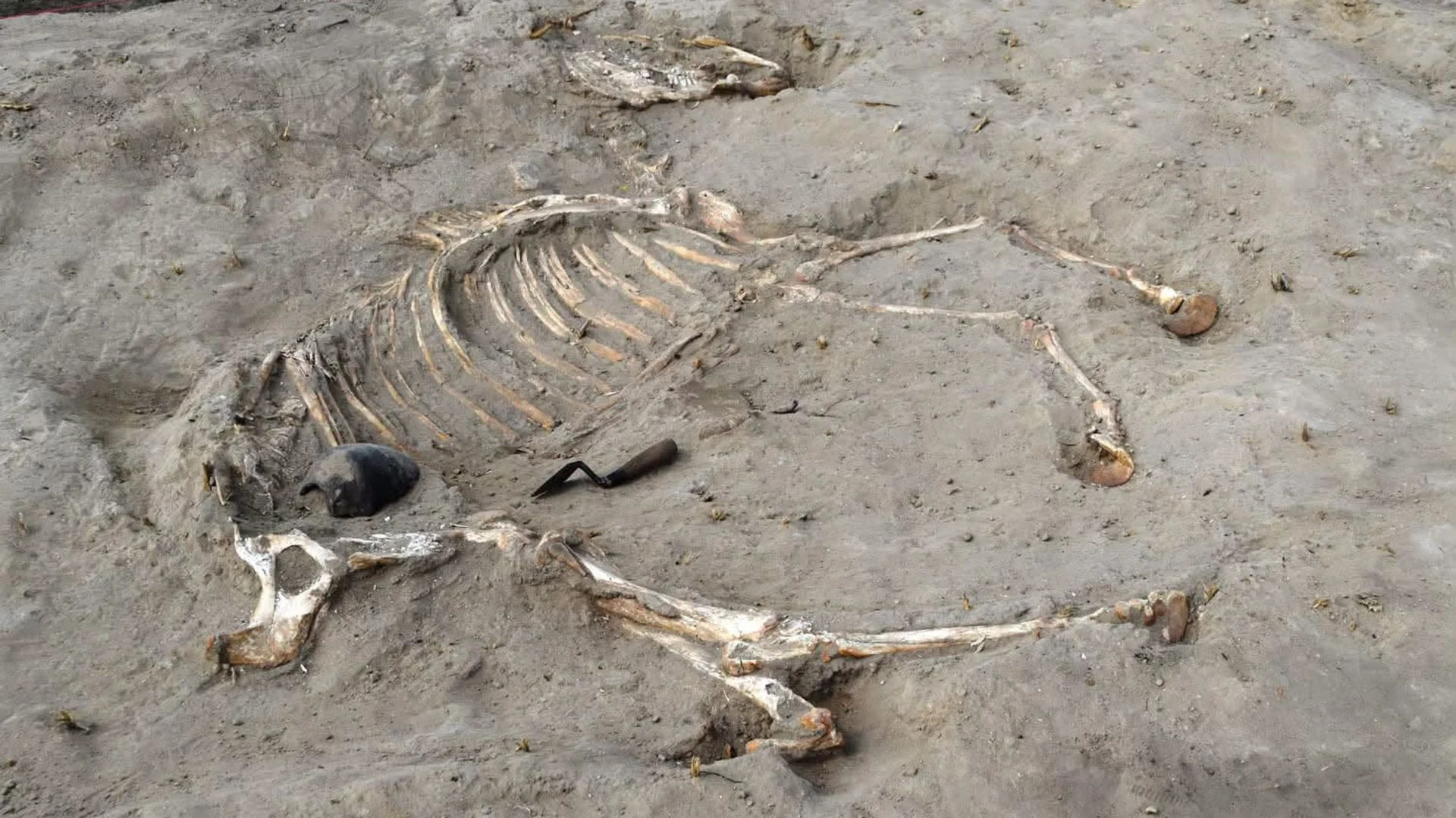
Archaeologists have uncovered a remarkable 3,000-year-old burial of a horse likely associated with military activities, situated within an ancient fort in Egypt's western Nile Delta. This find, which includes remnants of the horse's harness fittings, suggests a ceremonial aspect to the burial, as indicated by the Egyptian Ministry of Tourism and Antiquities. Such discoveries provide a window into not only the practices of ancient Egyptians but also their military strategies and social hierarchies.
The Significance of the Fort
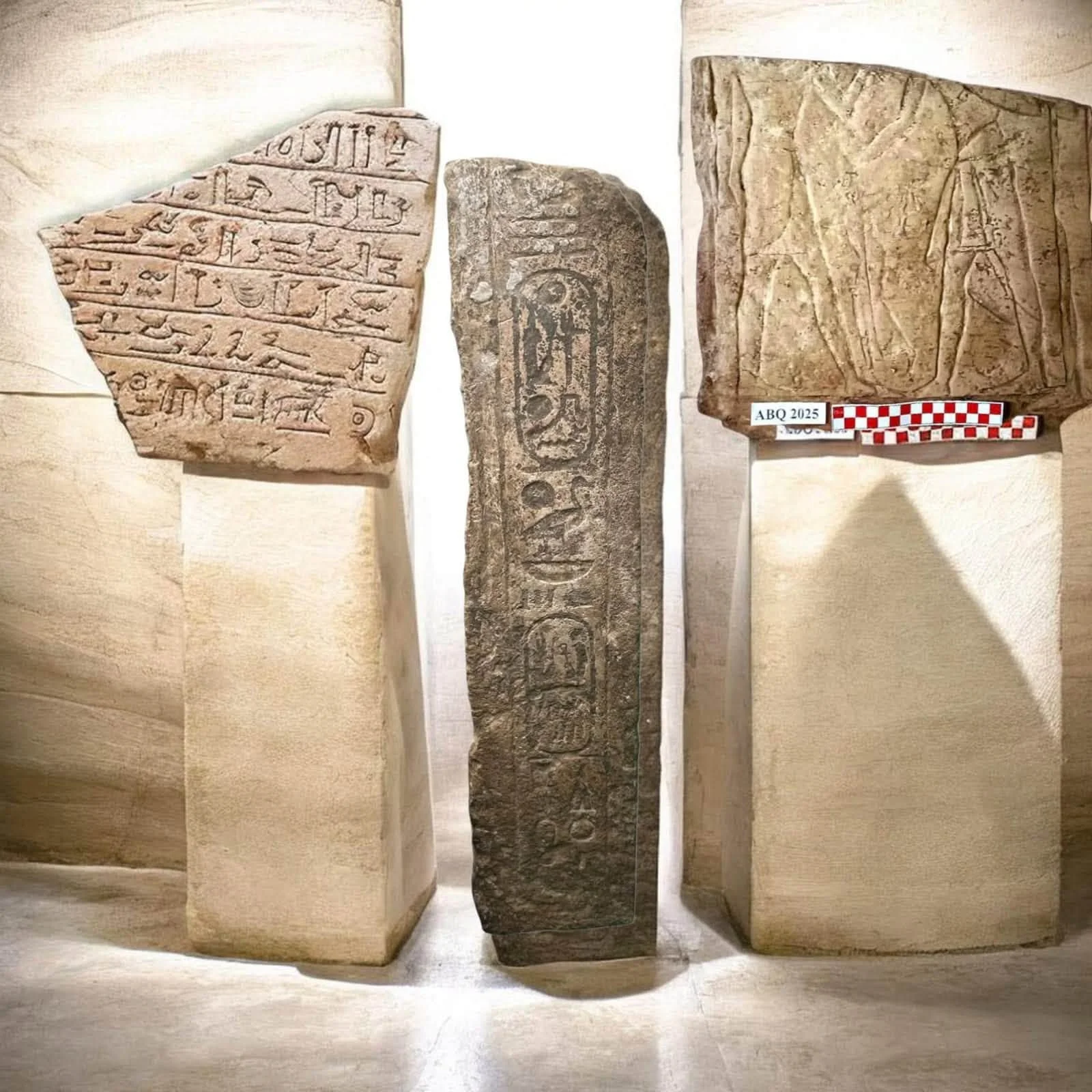
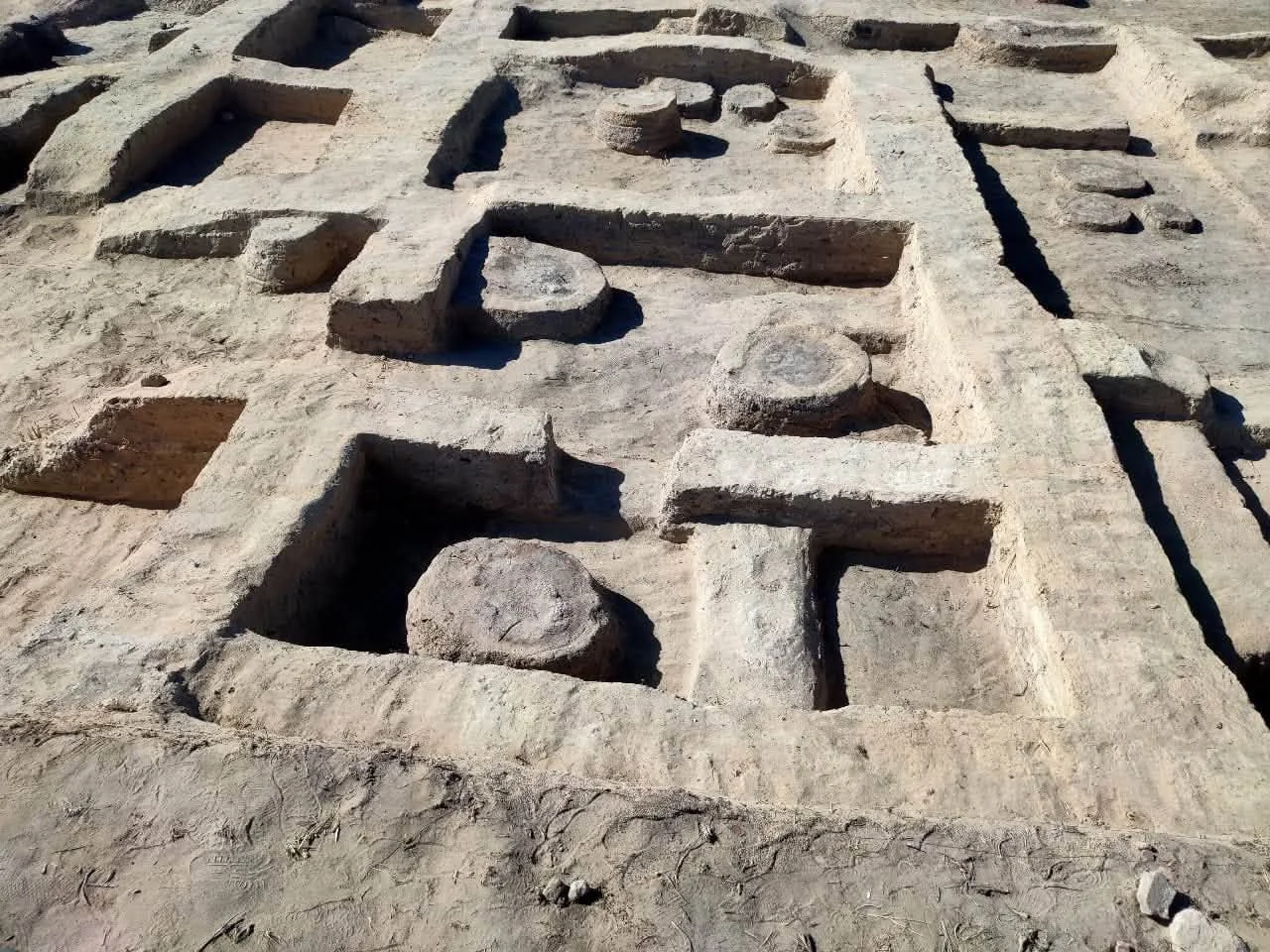
Located at the archaeological site of Abqaa’ in Egypt’s Lake District, the fort dates back to the New Kingdom period (circa 1550 to 1070 B.C.) and was strategically built to defend against advances from Libyan tribes. The historical context of such structures is vital: during this era, Egypt faced consistent threats from various neighboring cultures, making fortifications like Abqaa’ a fundamental component of its military strategy. Among the notable artifacts unearthed was a tablet illustrating a captured Libyan, with attire identifying him as a member of the Meshwesh tribe, historically known for conflicts with Egypt. The captured individual is depicted in a submissive position, indicating the fort's role in military prowess.
The interplay of military and cultural elements is fascinating. Such artifacts often offer insights not only into warfare tactics but also into the relationships forged through conflict. The presence of a captured enemy depicted on a tablet speaks volumes about how the Egyptians viewed their adversaries and the narratives constructed around warfare and victory.
Artifacts of Power
Further excavations revealed hieroglyphic tablets bearing the names of Pharaohs Ramesses II and Merneptah, the former reigning from roughly 1279 to 1213 B.C. and the latter from 1213 to 1203 B.C. One tablet demonstrates Merneptah's might by comparing it to Seth, an ancient Egyptian god linked to desert storms. Such comparisons underline the deep-seated belief in the divine right of kings, which had significant implications for governance and military actions. Claiming divine backing for military strength was a tactic often employed to sway public sentiment and bolster troops' morale.
This layering of royal and divine imagery within tablets deepens our understanding of the socio-political climate during the New Kingdom era. It highlights how ancient Egyptians intertwined their religion with everyday life and governance, offering a complex view of administration and warfare.
"An Amazing Find"
This horse burial stands out as a significant archaeological find, according to experts not directly involved with the excavation. "It is an amazing find, simply because we have so few horse remains from Pharaonic Egypt," commented Lonneke Delpeut, a researcher specializing in ancient Egyptian horses at the University of Vienna. While horse stables have been located at sites like Pi-Ramesses, the scarcity of horse remains presents a unique opportunity for further understanding the role of horses in military settings, Delpeut asserts. However, she is cautious in labeling it definitively as a war horse, explaining the absence of a clear definition of such in ancient contexts.
Some might argue that the evidence for military use is compelling enough, given that the burial took place in a fort. The importance of chariot horses in ancient warfare cannot be overstated. Horses were key components in promoting speed and agility on the battlefield—adjusting the chaos of conflict. You don’t just bury a horse any old way; this burial speaks to the importance of the animal in this warrior culture.
Carolyn Willekes, an ancient horse expert from Mount Royal University, views the discovery as particularly thrilling. The well-preserved horse remains stand to offer vital insights into both the life of the animal and the broader equine-human relationship in ancient Egypt, underscoring the cultural importance of horses within society. The position of the horse burial and the artifacts found alongside it can inform researchers about the status of both horse and rider. Clearly, horses were not just transportation but were instrumental in militaristic and societal structures.
Research Implications and Future Outlook
The archaeological team, operating under the auspices of the Egyptian Ministry of Tourism and Antiquities, has captured significant data through this discovery. What this means for you, whether you're a student of history or an enthusiast, is that these insights could reshape our understanding of ancient Egyptian military practices. Live Science has reached out for further comments but has yet to receive a response. However, as research progresses, we may yet see new interpretations of the evidence and its implications for understanding the era.
While this find is certainly captivating, it also opens up further questions. For instance, how did the cultural significance of horses evolve over time? Were they primarily seen as military assets, or did they also carry symbolic weight in ceremonial contexts? (And this is the part most people overlook.) As archaeological methods improve and funding for such explorations increases, we might uncover even more about how these magnificent creatures influenced the social and military life of ancient Egypt.
Interested in ancient Egypt? Test your knowledge with our ancient Egypt quiz!.
Discussion
Sign in to join the discussion.