4,000-year-old defensive walls found in Morocco shift understanding of early societal development in North Africa and its links to Europe.
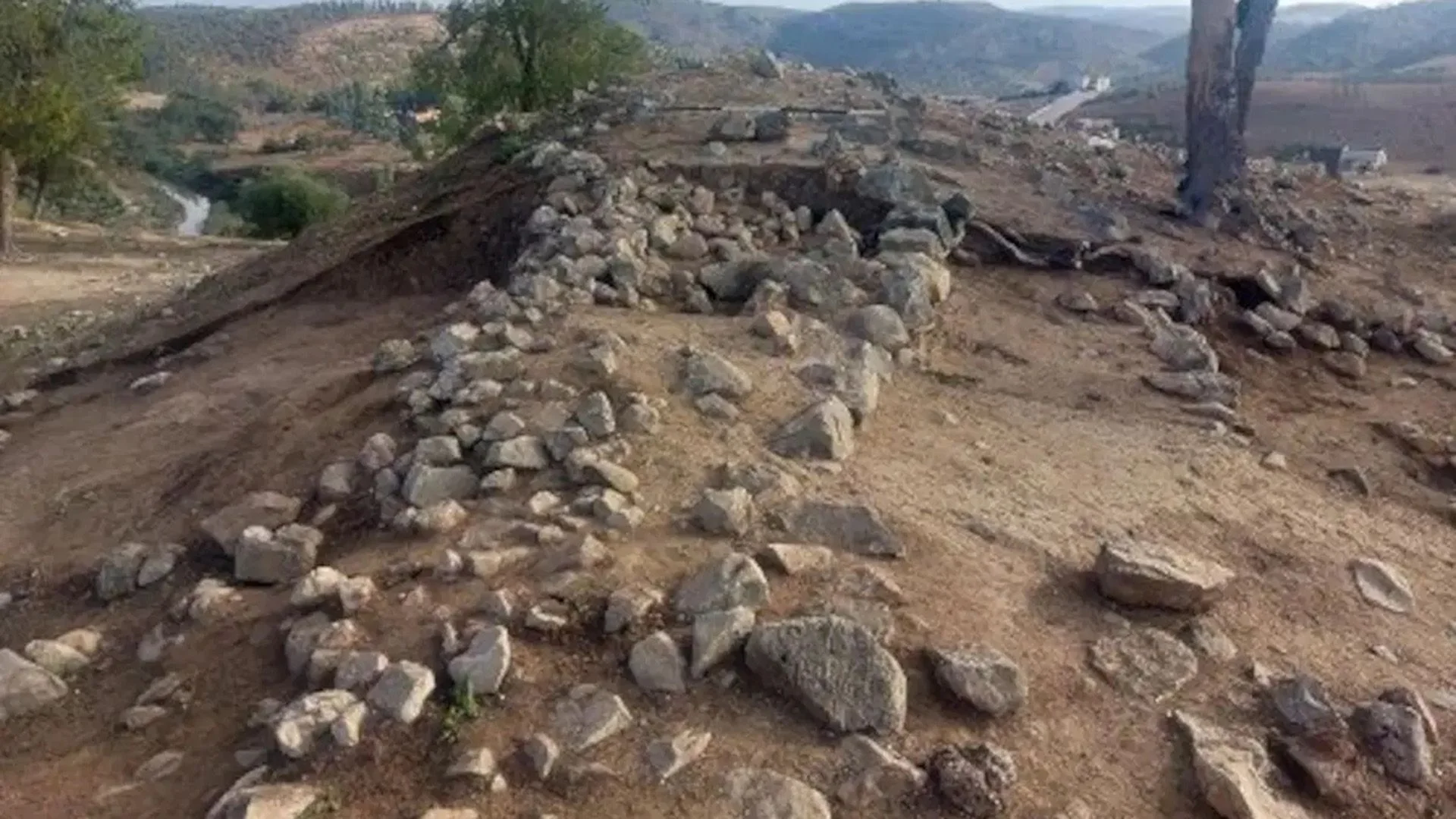
Recent archaeological excavations in Morocco have unveiled defensive walls believed to be up to 4,000 years old, marking them as the oldest of their kind in North Africa beyond the Nile Valley. This finding significantly alters the narrative surrounding the development of human societies in the Maghreb region, particularly regarding agricultural adoption.
Giulio Lucarini, an archaeologist with Italy's National Research Council, noted that for over a century, scholars largely overlooked the Maghreb in the narrative of Mediterranean prehistory. The newfound evidence speaks to earlier civilizations' complexity and societal shifts in the region, suggesting these societies were much more advanced than previously understood. The history of this area's people is now seen through a new lens, highlighting their adaptability and ingenuity in the face of environmental changes.
Ancient DNA and Cultural Exchange
A fascinating component of the recent findings involves ancient DNA studies, indicating that European hunter-gatherers might have accessed the Maghreb around 8,500 years ago. This suggests a flow of cultural and genetic material, which could have influenced the developing structures and societies in the region. This kind of movement of people and ideas is significant; it illustrates the interconnectedness of ancient civilizations and how they could shape one another despite geographical barriers.
Genetic exchange isn’t just a byproduct of migration; it's indicative of a complex web of interactions. Similar systems typically demonstrate how groups influenced one another through trade, conflict, or shared needs. The implications here are vast. If this genetic evidence stands up to further scrutiny, it could pave the way for a deeper understanding of cultural transitions in both Europe and North Africa at this time.
Significance of the Findings
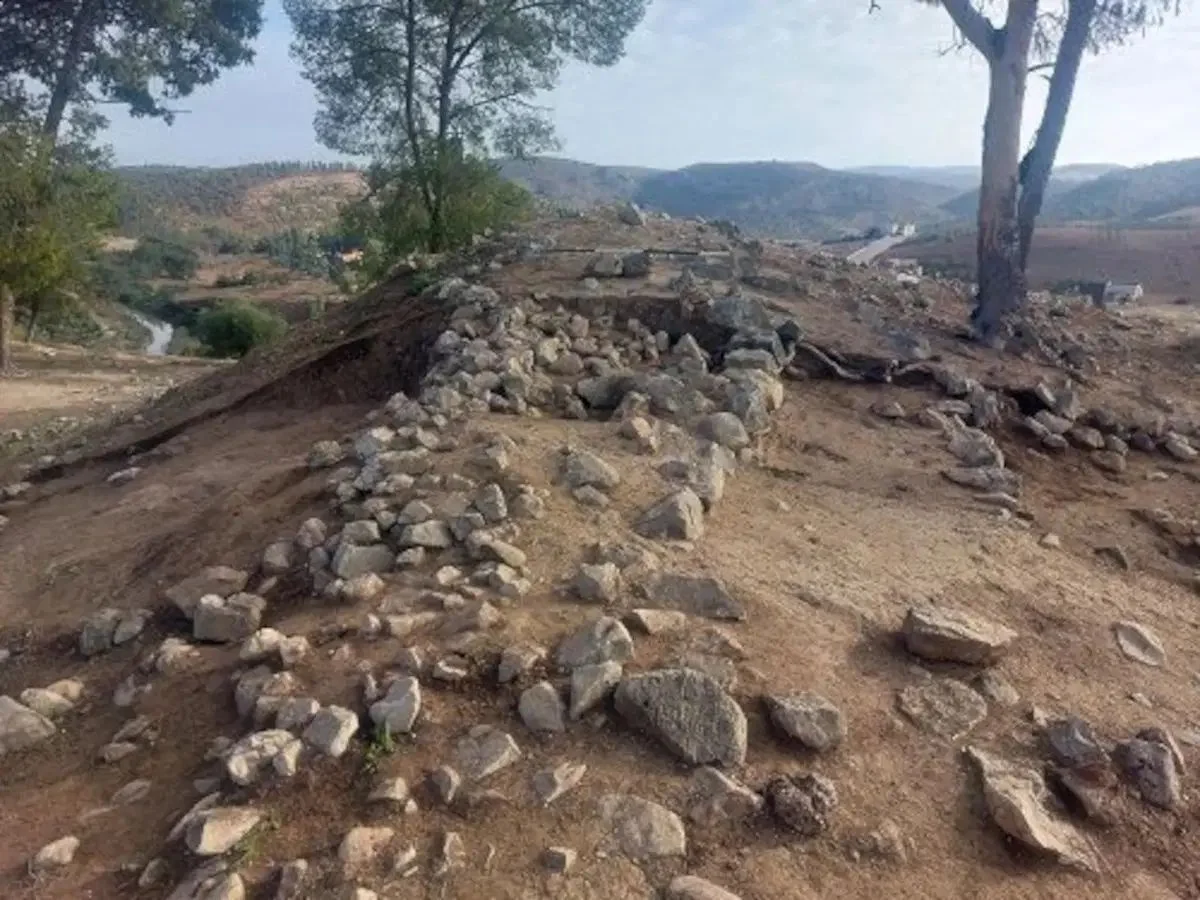
The ongoing research at the Oued Beht archaeological site, located approximately 50 miles east of Rabat, sheds light on a previously unrecognized capacity for societal organization in the region. The discovery indicates that communities around 4,000 years ago were not only farming but also involved in complex defensive constructions that necessitated long-term planning and coordination.
A detailed study published on September 7 in the journal Libyan Studies discusses the defensive system characterized by a series of ditches and ramparts. A particularly imposing wall, largely thought to have been constructed from clay, ash, silt, and stone, highlights the vulnerability and value of the settlement it protected. This makes clear that the communities were not isolated or simple; they were active participants in the regional complexities of their time.
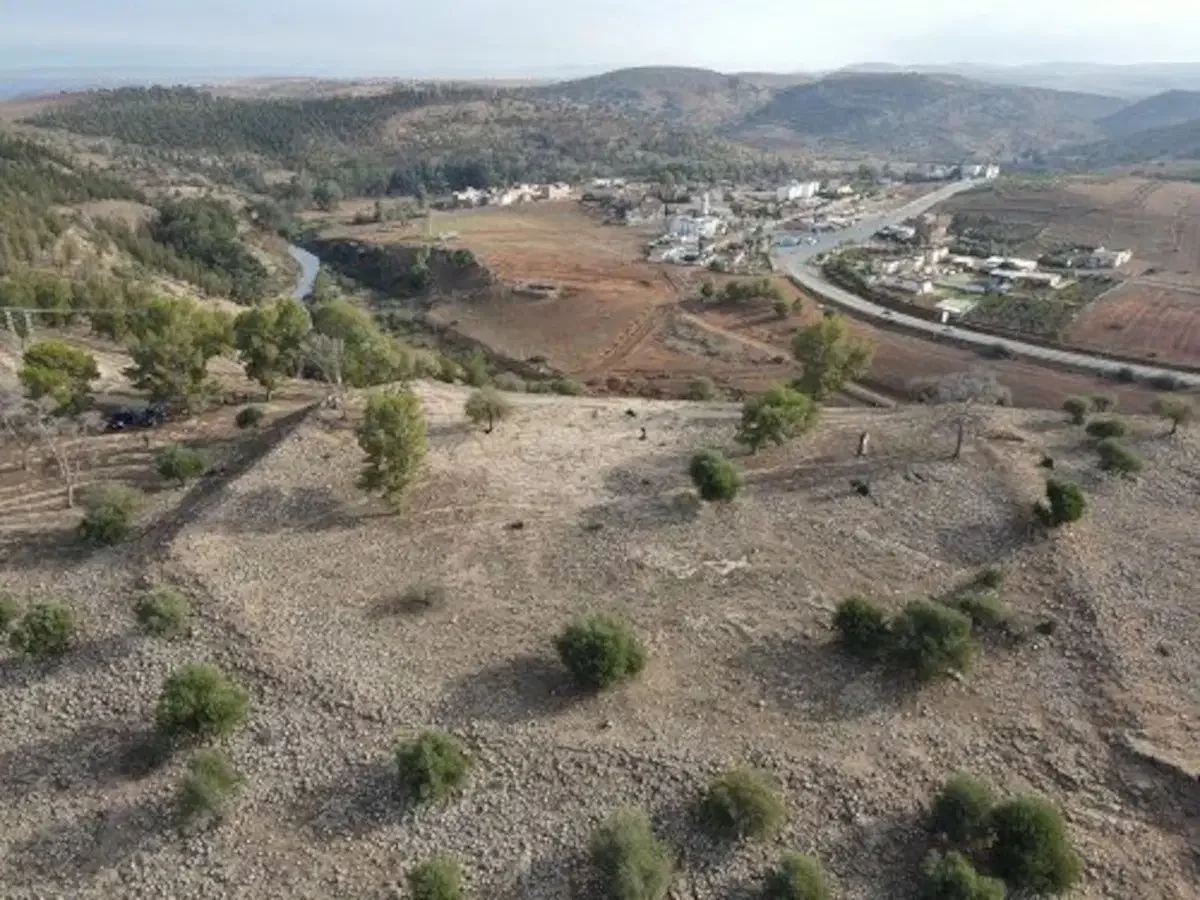
The team, which previously unearthed a prehistoric settlement at Kach Kouch further north, suggests that the extensive storage capabilities of the facility indicate potential trade or communal utilization. This begs further inquiries into regional interdependencies. If you're working in this space, these findings call into question how past societies interacted with one another and shared resources, both materially and culturally. Could these defenses indicate a need for protection against competition, rather than outright aggression?
Cultural Contexts and Competing Forces
The defensive walls raise intriguing questions about the motivations for their construction. While clearly fortifying a community likely engaged in agriculture, the nature of threats faced remains ambiguous. Lucarini speculates that competition for land and resources, rather than direct invasions, could have prompted such defensive measures. This assertion prompts a broader examination of societal dynamics during this time; it emphasizes the need to think critically about what actually constituted a threat in ancient contexts.
The archaeological findings at Oued Beht not only influence the understanding of local history but also clarify the links between North Africa and Europe. The study team highlights how trade routes and cultural exchanges were vital, as seen through the shared materials and artifacts between societies across the Strait of Gibraltar. This connection is often overlooked in favor of narratives focusing exclusively on major civilizations. But the smaller, less grandiose societies played an equally important role in shaping the culture and economy of their regions.
Contrastingly, the architectural scale and societal structure of Iberian sites during the same period suggest notable differences. The Oued Beht structures reflect smaller, less hierarchical communities than their Iberian counterparts, hinting at varied societal models existing during that time. This distinction raises questions about how environments influenced the organizational complexity of each society. Were the Iberian structures products of a differing set of challenges? Did they prioritize external competition, whereas communities like Oued Beht were more focused on internal cohesion?
Iman Nagy, a landscape archaeologist at UCLA, supports this assertion, emphasizing that findings like those at Oued Beht demand a reevaluation of North Africa's role in broader Mediterranean prehistory. The evidence strongly counters prevailing models that attribute architectural advancements solely to external influences, championing the autonomy and capability of the region's societies. This is more significant than it looks—understanding these ancient societies can transform the way we view historical narratives and regional interactions.
Implications for Future Research
The discoveries at Oued Beht not only reconstruct a historical narrative but also set the stage for future inquiries into the region's past. They suggest a vibrant cultural tapestry enriched by exchanges across ancient borders. Further archaeological work could unveil more about these interdependencies and how they shaped societal development.
With advances in technology, such as improved dating methods and genetic analysis, there’s potential for deeper understanding. New evidence may surface, but the challenge lies in contextualizing that data within broader historical frameworks. How will historians integrate these findings into existing narratives? It's an open question that invites participation from scholars across disciplines.
In short, the implications of this research echo far beyond the confines of the archaeological site. They challenge assumptions and encourage a more nuanced examination of historical connections that defined this region.
Discussion
Sign in to join the discussion.