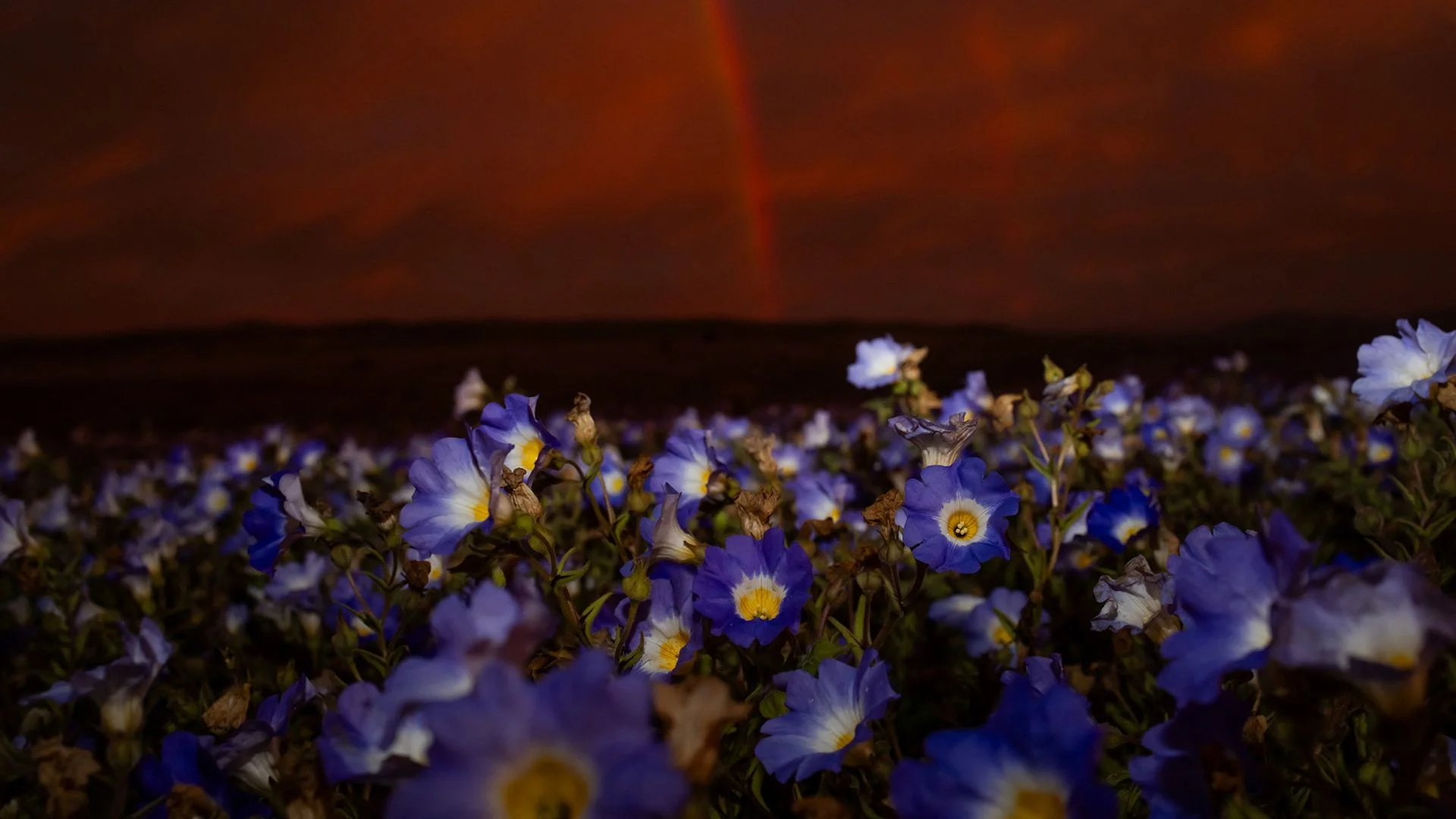
Thanks to this year's strong El Niño, Chile's Atacama Desert has transformed into a vibrant flower spectacle, marking the largest bloom since 1997.
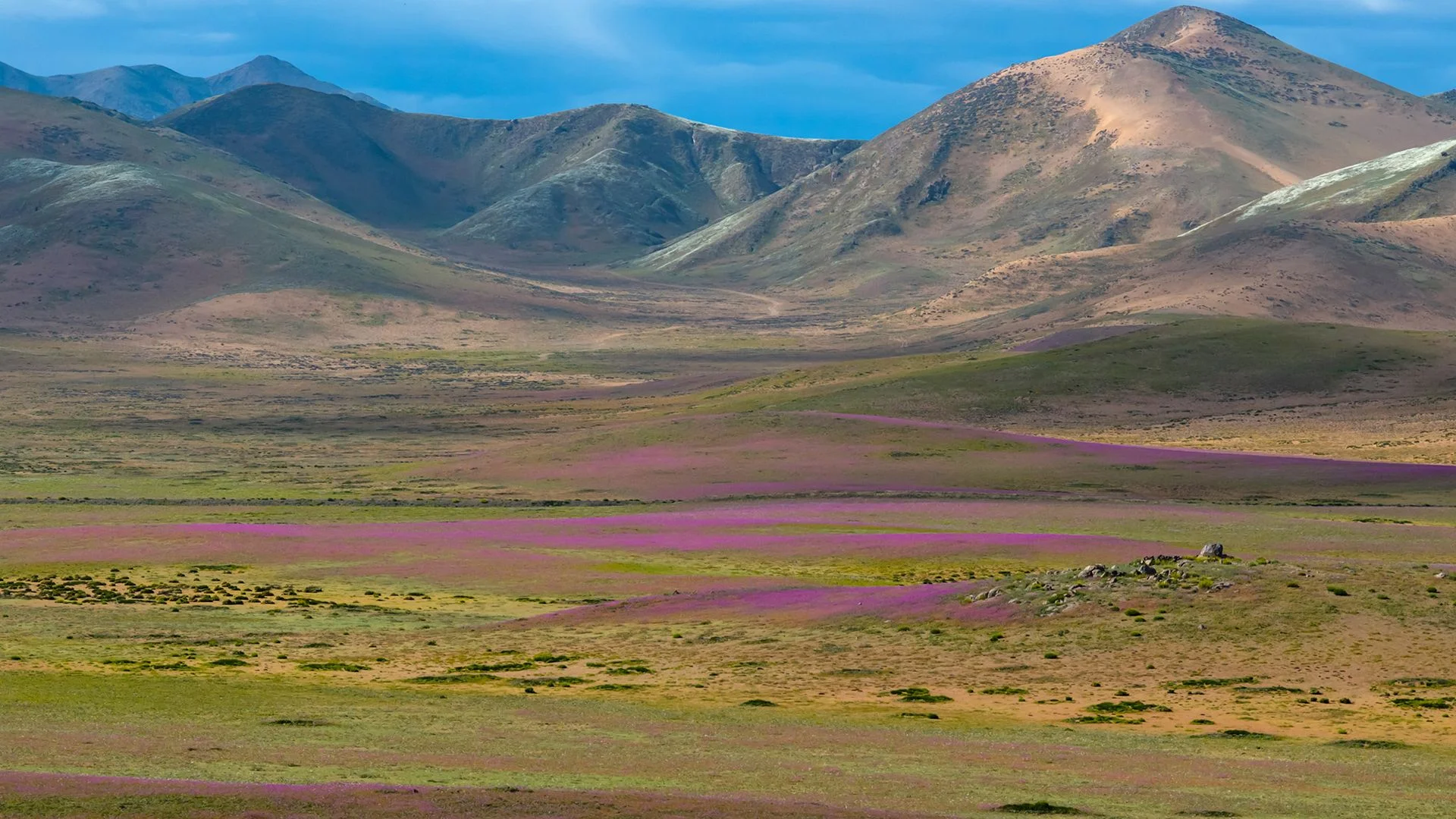
This year, Chile's Atacama Desert is witnessing a stunning transformation due to an exceptionally powerful El Niño, bringing much-needed rainfall to one of the driest places on Earth. This influx of moisture has activated millions of dormant seeds and bulbs, turning the arid landscape into a vibrant tapestry of wildflowers.
The Atacama Desert: A Primer
The Atacama Desert is often referred to as the driest desert in the world, boasting an arid climate that has limited vegetation and made it inhospitable for most forms of life. Conditions here are so extreme that some weather monitoring stations have recorded no significant rainfall for decades. This is a harsh environment where survival often depends on adaptation to minimal moisture and intense sunlight. Yet, even in such inhospitable conditions, nature surprises us. When the rare phenomenon of El Niño occurs, it can break this lengthy drought and trigger a remarkable revival.
The Impact of El Niño
This year's El Niño is proving to be exceptionally potent. El Niño events are characterized by warmer ocean temperatures in the Pacific, resulting in shifts in weather patterns across the world. In the case of Chile, this year’s event has unleashed downpours that have revitalized the parched earth. With the Atacama typically receiving only about 0.6 inches of rain annually, the sudden spike in precipitation is significant. In fact, some regions have recorded over 7 inches of rainfall between July and August. Such totals have not been seen since the 1950s, signaling a stark shift. As a result, the area is experiencing its most significant desert bloom since 1997, turning the barren landscape into a floral wonderland.
A Unique Ecological Phenomenon
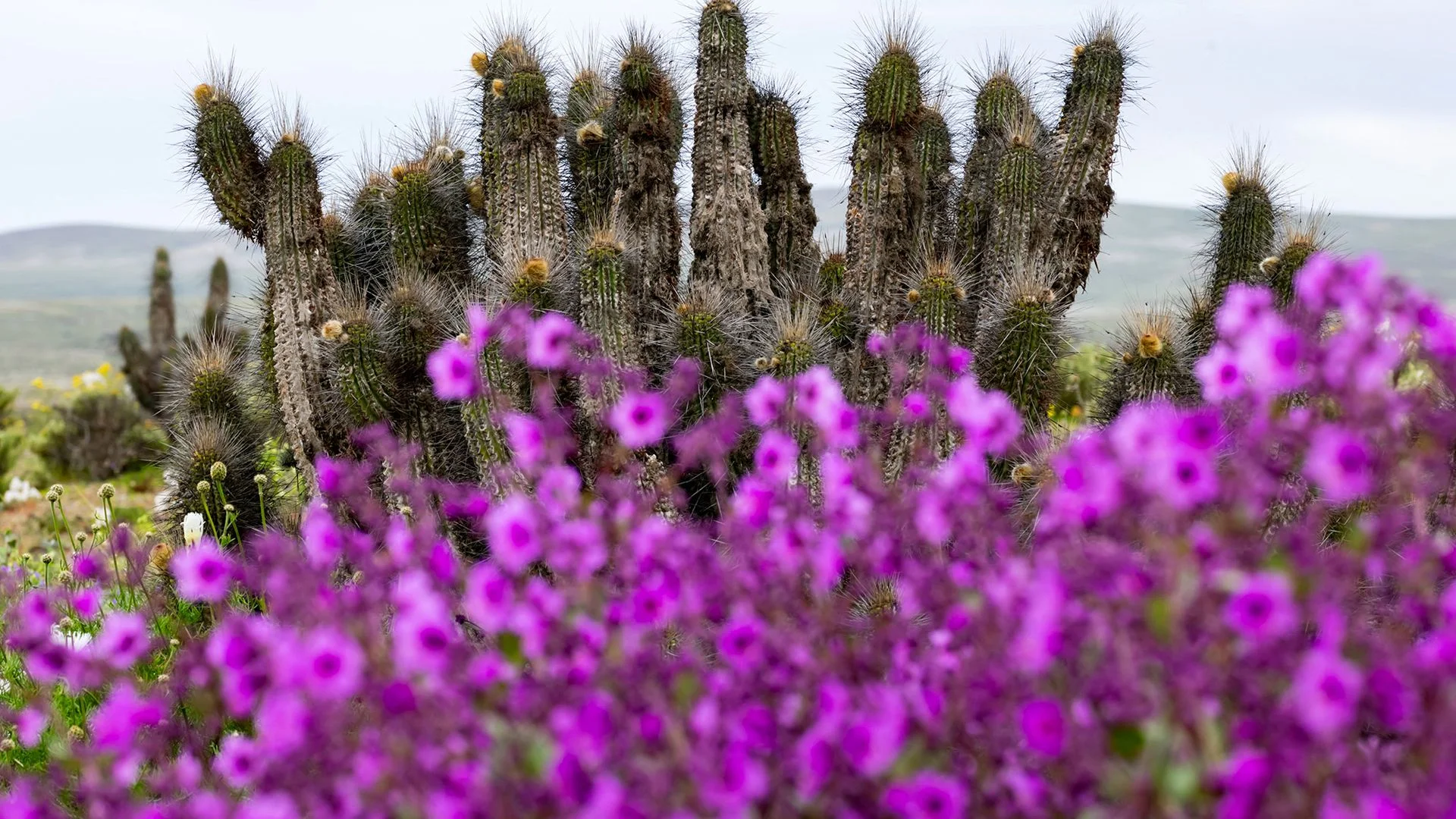
Locally referred to as the "desierto florido," or "flowering desert," this phenomenon is not just a visual spectacle. It reflects a unique ecological process where dormant seeds lie in wait for just the right conditions to flourish. According to Jorge Carabantes, head of the Protected Areas Department at Chile's National Forest Corporation (CONAF), there are over 200 plant species that have taken advantage of this unexpected moisture. This biodiversity during a bloom is truly significant, as it shows not only nature's resilience but also its delicate balance with climatic conditions.
Tourism and Photography in the Bloom
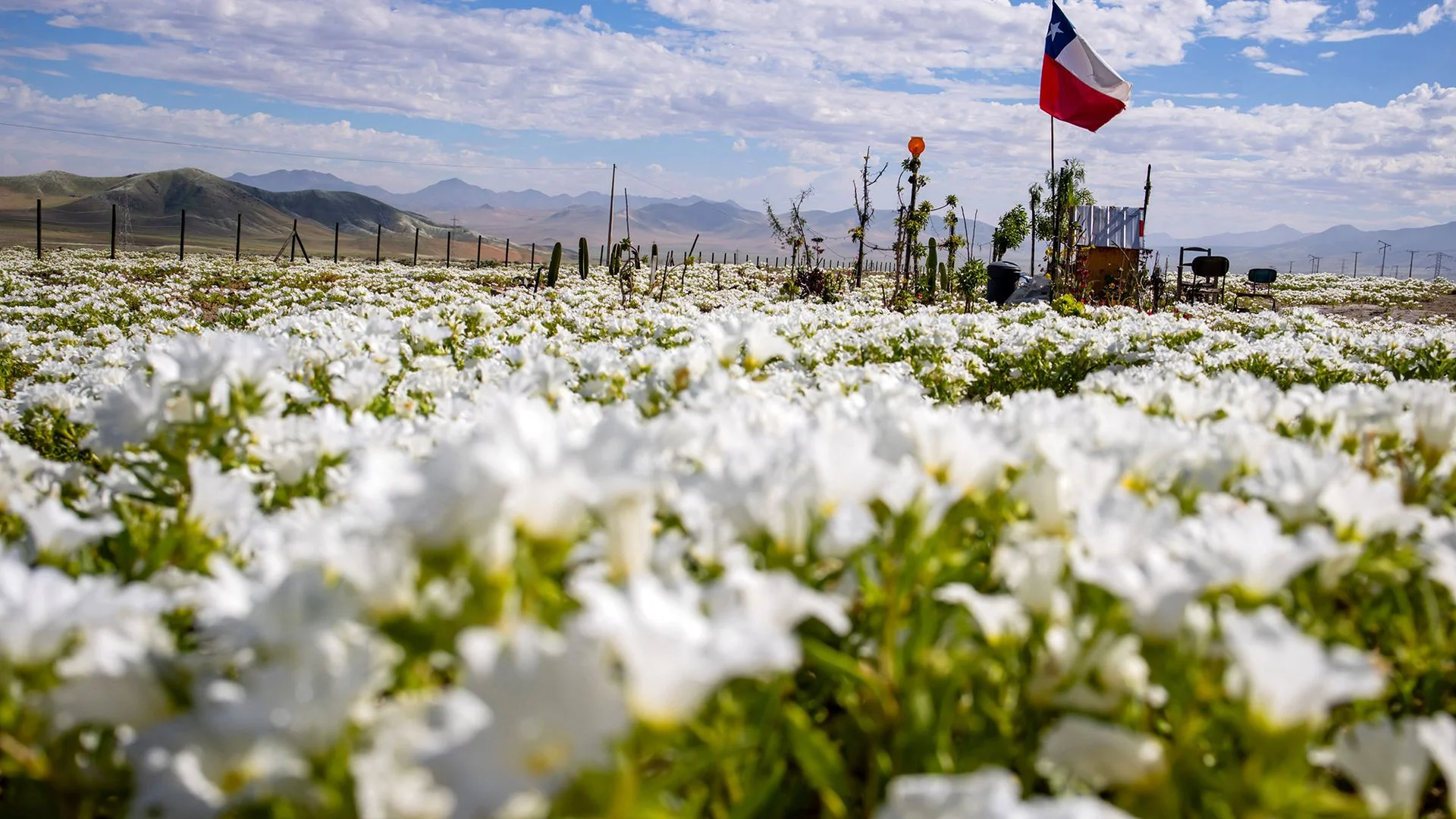
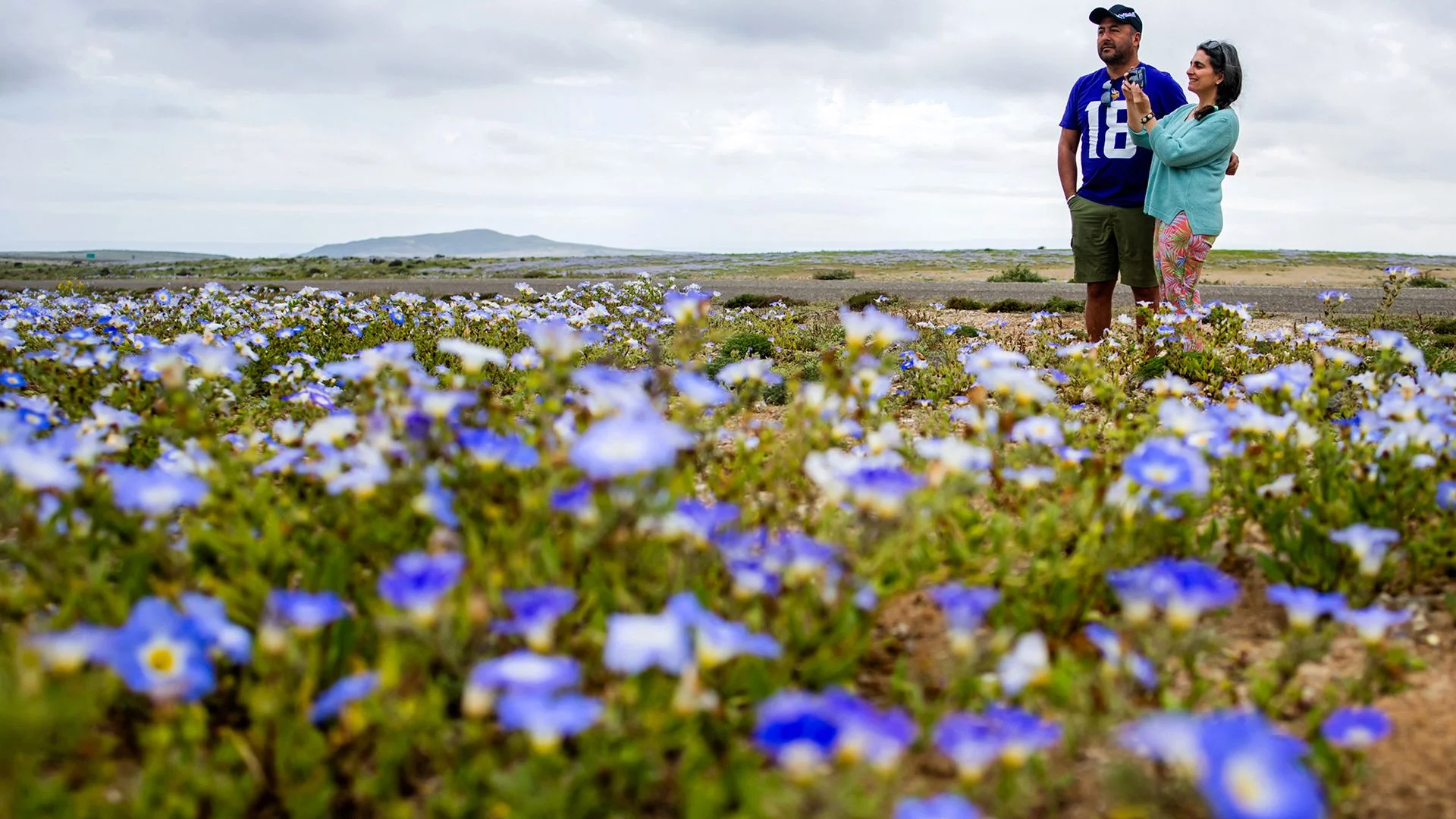
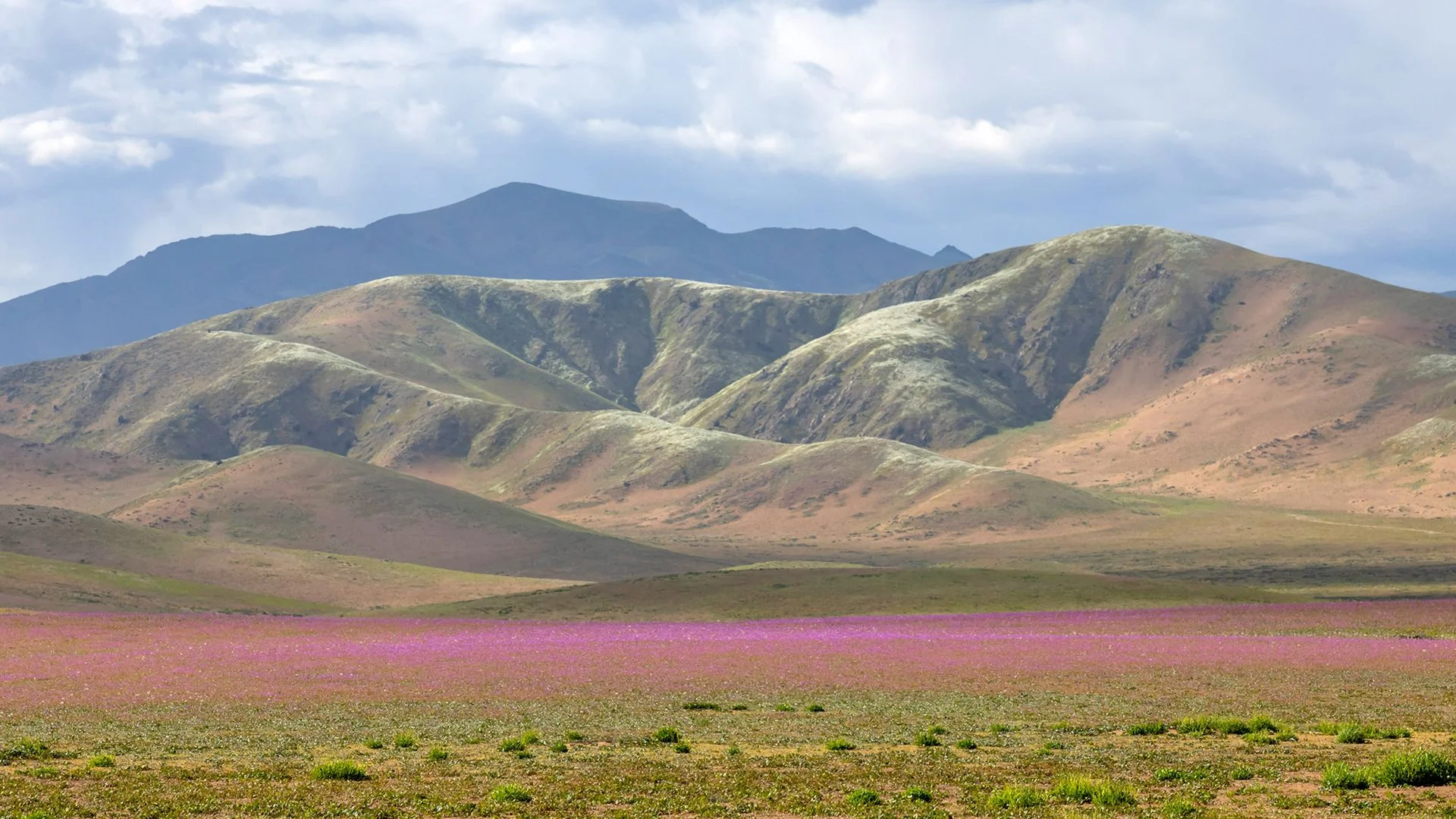
Tourism tends to spike during events like these, as photographers and nature lovers flock to witness the striking contrast of colors. The vibrant purples, pinks, whites, reds, and yellows are juxtaposed against the stark, arid backdrop of the Atacama mountains and the clear Chilean skies. What might initially seem like just another flower bloom holds deeper meaning—people are drawn to experience the miracle of life returning to a place often perceived as desolate. To truly appreciate this transformation, you need to see it firsthand, which explains why many are traveling to Chile from all corners of the globe.
A Temporary Marvel
This dazzling display is temporary. Many of the flowers will wilt by the end of the Southern Hemisphere’s spring. However, they leave behind seeds and bulbs that will lie dormant until the next rain event. This cyclical pattern of life is a testament to the resilience of nature, but it also serves as a reminder of the fragility of such occurrences. The coming months will revert the Atacama back to its normal state—dry and barren. It’s a brief moment of glory for an ecosystem that largely remains hidden for years.
Significance and Future Outlook
The implications of this year's exceptional bloom go beyond merely aesthetic appreciation. Such phenomena highlight the profound effects of climate change and changing weather patterns. Scientists argue that these extreme weather events may become more prevalent in the face of global warming, potentially altering ecosystems and biodiversity. If you're working in this space, pay attention to how these shifts can inform conservation efforts and policy-making. What this means for future blooms is uncertain; more frequent El Niño events could modify how the Atacama Desert is perceived and managed. There’s no denying that the Atacama's transformation into a flowering desert offers an invaluable opportunity for ecological study. The success of the flora that emerged reflects a complex interplay of factors that could shape strategies for managing arid ecosystems elsewhere. (and this is the part most people overlook) Nature's ability to adapt can serve as a lesson as we consider our own approaches to environmental challenges.”
Discussion
Sign in to join the discussion.