Sediment cores show mercury pollution from Maya cinnabar use reached 2.3 parts per million and damaged freshwater ecosystems.
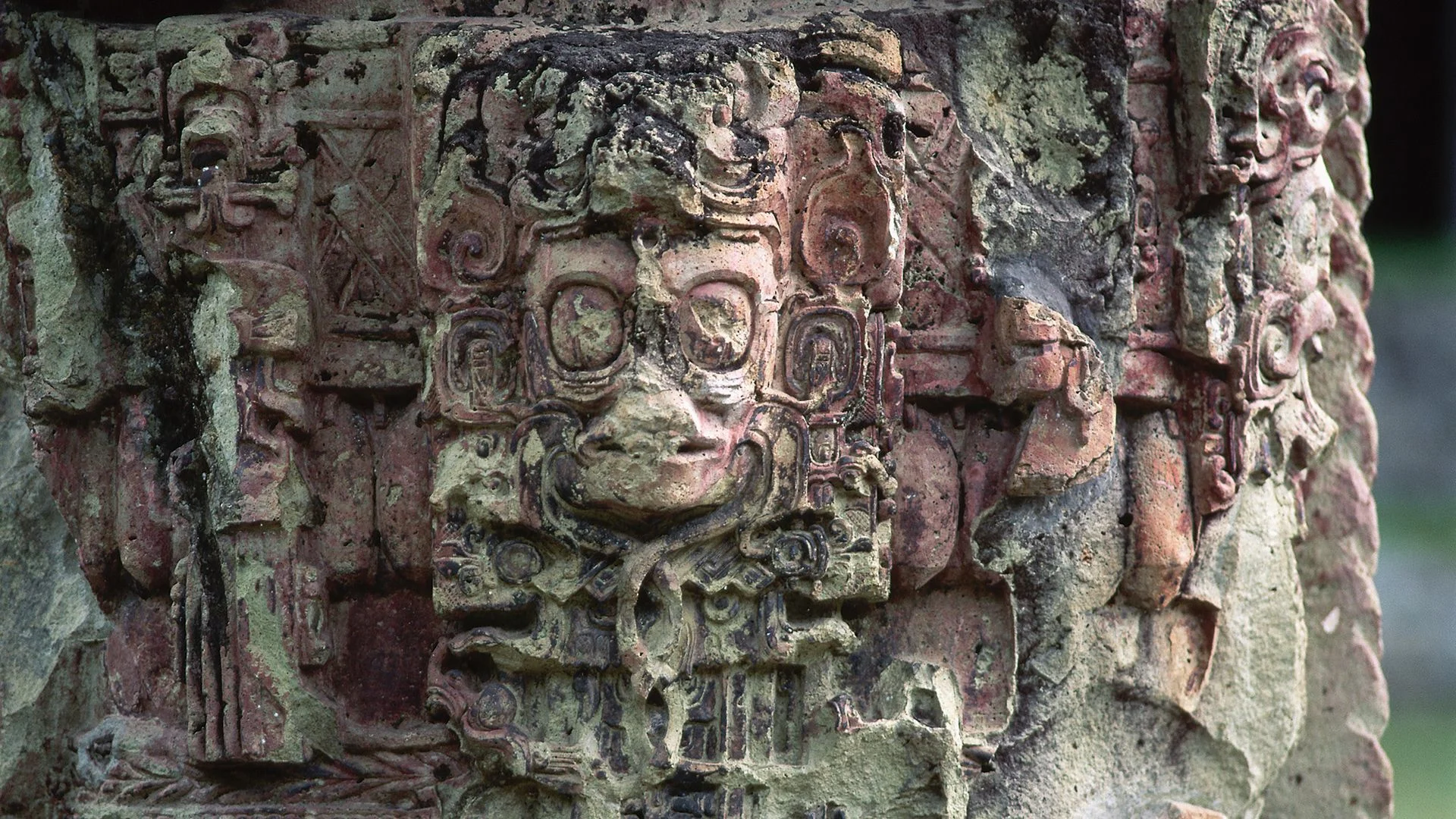
The Maya’s use of vivid red pigment left a long record in Yucatán lake sediments. New analysis finds mercury levels as high as 2.3 parts per million at two Maya-era sites, with evidence that aquatic life was affected. The findings point to cinnabar paint as a likely source of pollution that persisted for decades and, at one site, centuries.
Red pigment, toxic runoff
Cinnabar, a mercury-sulfide mineral, supplied the bright red pigment known as vermilion. When runoff carried it into lakes, anaerobic bacteria could convert cinnabar into methylmercury, a more toxic form that can build up through the food chain.
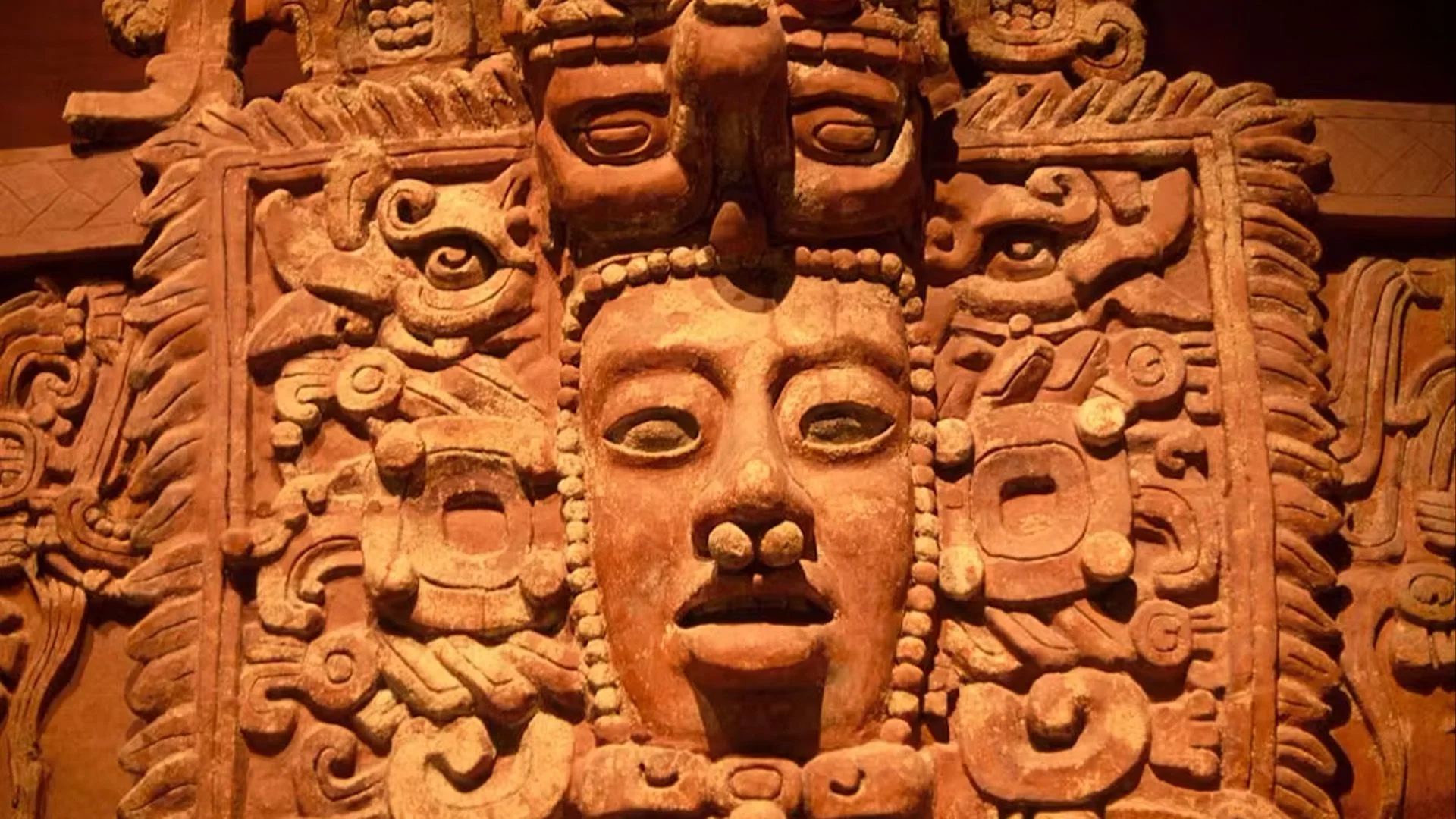
Red held deep meaning for the Maya, representing the sun, blood and life. They applied it to sculptures, monuments, buildings, plazas, pottery and the dead in ceremonial contexts. Their paints could also contain red ochre, colored by hematite, an iron mineral that isn’t toxic.
“We did not suspect [the Maya] used it in the quantities that we were seeing,” said Matthew Waters, the study’s lead author and a paleolimnologist at Auburn University in Alabama. He told Live Science that people may have noticed water changing color and becoming less productive, including a decline in fish available as food. The Maya relied on freshwater fisheries, including shellfish.
Earlier research had documented elevated mercury in the Maya southern highlands and south-central lowlands. Waters and his colleagues examined the Yucatán Peninsula, where the scale of contamination had not been fully assessed. Their findings appeared Nov. 4 in Science Advances.
Pollution preserved in lake mud
The team analyzed sediment cores from Cobá Lake, beside the Maya city of Cobá, and Cenote Xcach, also written X-Canché, a flooded sinkhole near a jungle ruin. The layers preserve more than 2,000 years of environmental history. Mercury spikes align with several intervals between about A.D. 40 and 820, spanning the Maya Preclassic and Classic periods.
At the most contaminated points, mercury reached 2.3 parts per million. Waters said the pollution lasted for decades and, at one location, for centuries. For context, the U.S. Environmental Protection Agency considers drinking water unsafe above 2 parts per billion. Mercury can also accumulate in fish; the official limit cited by Waters is 1 part per million.
The researchers looked for ecological signs alongside the chemical measurements. Sediments contained few tiny freshwater shellfish fossils, suggesting the pollution harmed aquatic life. They also found little evidence of algal blooms, which Waters said might otherwise have been common. Toxic conditions may have prevented algae from thriving.
A possible pressure on food supplies
The Maya civilization’s eighth- and ninth-century decline remains debated. Researchers often point to food shortages linked to drought. Mercury pollution may have added pressure, but Waters said ecological damage from mercury had already eased in many places for centuries before the collapse.
Cinnabar doesn’t occur naturally in the Yucatán, so the Maya likely imported it, perhaps from what is now Honduras. At Cobá Lake, the contamination eventually subsided to a background level of about 20 parts per billion by A.D. 520. At Cenote Xcach, however, the cores indicate that mercury pollution continued until the civilization’s collapse.
The sediment record suggests that a valued color came with a lasting environmental cost. Its effects varied by site and period, but the evidence raises a concrete question for future work: how much did damage to freshwater food sources shape life around Maya cities?
What do you know about the civilization that built pyramids across Mesoamerica? Find out with our ancient Maya quiz.
Discussion
Sign in to join the discussion.